


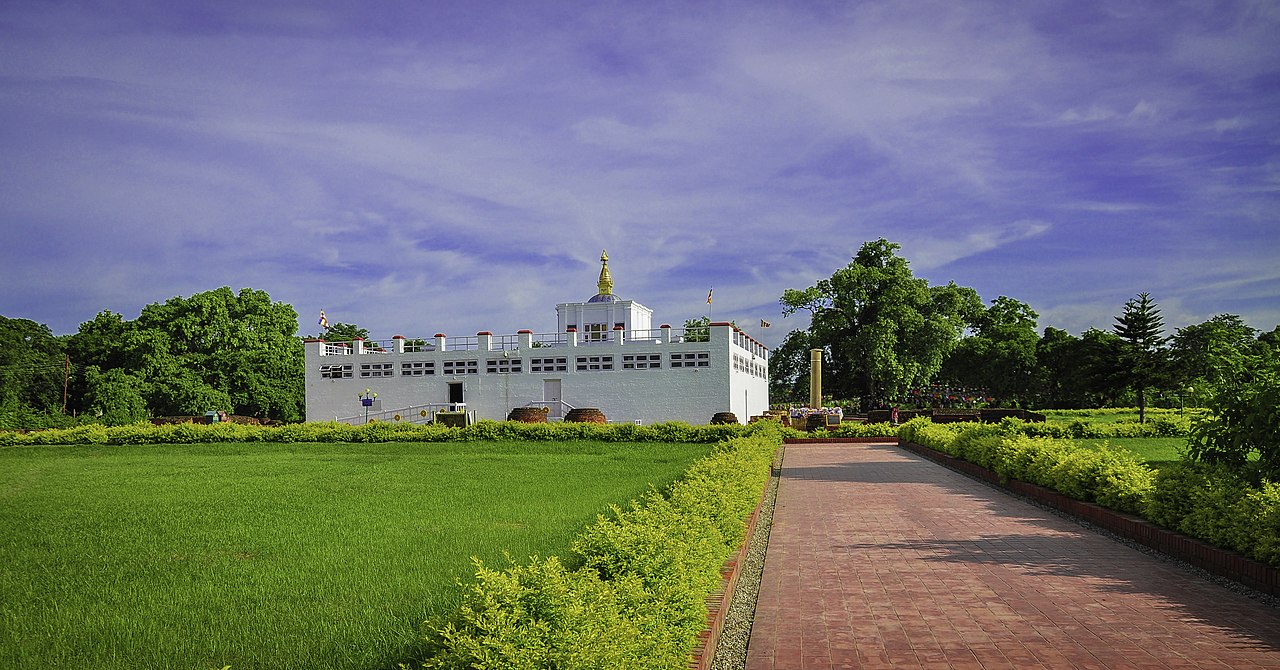

Best Time to Visit Nepal
Nepal is a year-round destination, but the right season transforms the trip. Autumn and spring bring the clearest mountains and the best trekking, while every month has something to offer if you know where to go.
Overview
Nepal has four distinct seasons, and choosing the right one makes an enormous difference to what you see and do. For most visitors the two best times to visit Nepal are autumn (October–November) and spring (March–April), when the skies are clear, the weather is stable and the Himalaya are at their most dazzling. These are the prime trekking and sightseeing windows, and also the busiest.
That said, there is no truly "bad" time to come, only different trade-offs. Winter brings crisp, clear days and empty trails at lower altitudes; the monsoon turns the hills green and opens up the desert-like rain-shadow regions that stay dry when the rest of the country is wet. The right choice depends on what you want to do, how high you plan to go, and how much you mind crowds, cold or rain.
This guide breaks down each season and its trade-offs, gives a month-by-month summary, and points you to the best activities and regions for each time of year. For a deeper look at any single season or month, follow the links to our detailed seasonal and monthly guides throughout.
Autumn (October–November) — Peak Season
Autumn is the best and most popular time to visit Nepal. The monsoon rains have washed the dust and haze from the air, leaving crystal-clear skies and the sharpest Himalayan views of the year. Temperatures are pleasantly warm by day and cool at night, the trails are dry, and the weather is at its most stable, ideal for everything from teahouse trekking to city sightseeing.
This is prime trekking season: the classic high routes like Everest Base Camp and the Annapurna Circuit are at their best, and the mountain panoramas are unbeatable. Autumn also coincides with Nepal's two biggest festivals, Dashain and Tihar, filling the country with colour and celebration.
The trade-off is crowds and cost: this is high season, so the popular trails, teahouses and hotels are at their busiest and priciest, and flights and lodges book up well in advance. If you travel in October or November, reserve key accommodation and internal flights ahead of time.
Spring (March–May) — Second-Best Season
Spring is the second-best time to visit Nepal, and many trekkers' favourite. The weather warms up, the days lengthen, and the hillsides burst into colour as Nepal's rhododendron forests bloom, turning trails like Ghorepani Poon Hill into rivers of red and pink. Mountain views are still very good, especially early in the day before afternoon haze builds.
Spring is also the main Himalayan climbing season, when expeditions attempt Everest and the other 8,000 m peaks, so the higher trails have a buzz about them. Lower altitudes are comfortably warm, and the wildlife parks of the Terai are excellent as the dry season peaks. March and April are the sweet spot; by May it turns hot and hazy at lower elevations as the pre-monsoon builds.
Festivals in spring include the colour-throwing revelry of Holi and, in mid-April, the Nepali New Year and Bhaktapur's dramatic Bisket Jatra. Crowds are high but usually a touch below the autumn peak.
Winter (December–February) — Clear & Quiet
Winter is underrated. Days are often brilliantly clear and sunny with superb mountain visibility, the trails and cities are quiet, and prices are at their lowest. The catch is the cold: high altitudes are genuinely freezing, nights are bitter, and the highest passes, such as the Thorong La and the Everest passes, can be blocked by snow or dangerously cold, so serious high-altitude trekking is limited.
Winter suits lower-altitude treks like Poon Hill and the Kathmandu Valley rim, cultural sightseeing in Kathmandu, Bhaktapur and Patan, and above all the warm lowlands: the Terai and Chitwan are at their most pleasant in winter, with comfortable temperatures for wildlife safaris. Pack warm layers for cold mornings and evenings even where days are sunny, and expect some morning fog on the plains that can delay flights.
Come in December, January or February for clear skies, few tourists and low prices, just keep your trekking ambitions at sensible altitudes.
Monsoon (June–September) — Green & Rain-Shadow
The monsoon is the most challenging season for most trips: heavy rain, especially in the afternoons and at night, turns trails muddy and slippery, brings out leeches in the forests, hides the mountains behind cloud, and causes landslides and flight delays. The Terai is hot and humid. For classic trekking and mountain views, it is the season to avoid.
But the monsoon has two big draws. First, the country is lush, green and beautifully quiet, with far fewer tourists and lower prices, terraced hills at their most photogenic. Second, and most importantly, this is the ideal time for Nepal's rain-shadow regions: areas like Upper Mustang, Dolpo and Nar Phu sit behind the main Himalayan wall, which blocks the monsoon clouds, so they stay dry and clear while the rest of the country is soaked. A monsoon trek into these high-desert landscapes is one of Nepal's great off-season experiences.
June to September also holds important festivals, including Teej and, near the season's end, Indra Jatra in Kathmandu. If you come in the monsoon, plan for flexible dates, choose rain-shadow routes or cultural travel, and pack good waterproofs.
Best Time by Activity
- High-altitude trekking: autumn (Oct–Nov) is best, spring (Mar–Apr) a close second. Avoid the monsoon and deep winter for high passes.
- Mountain views: autumn for the clearest skies; clear winter days are also superb; spring is good early in the day.
- Rain-shadow / high-desert treks (Mustang, Dolpo, Nar Phu): late spring through the monsoon (Jun–Sep), when these dry regions shine while lower Nepal is wet.
- Wildlife safaris (Chitwan, Bardia): October to March, best in late winter and spring when vegetation thins and animals gather near water; comfortable temperatures in winter.
- White-water rafting: post-monsoon autumn (high, exciting water) and spring; rivers are dangerously high at the monsoon's peak.
- Peak climbing / expeditions: spring is the main Himalayan climbing season, with a smaller autumn window.
- Culture, temples & cities: year-round, but most pleasant in autumn, spring and sunny winter days; the Kathmandu Valley is rewarding in any season.
- Festivals: autumn for Dashain and Tihar, spring for Holi and Bisket Jatra, monsoon for Teej and Indra Jatra, see our Nepal festivals guide for dates.
Month-by-Month Summary
| Month | What to expect | Good for |
|---|---|---|
| January | Cold, clear, quiet; snow up high | Lower treks, Chitwan, sightseeing, low prices |
| February | Cold but warming, clear skies | Lower treks, wildlife, culture |
| March | Warming, rhododendrons begin, good views | Trekking, climbing, wildlife, Holi |
| April | Warm, blooms, some haze; New Year | Trekking, climbing, Bisket Jatra |
| May | Hot and hazy low down, pre-monsoon | High treks, Everest season; avoid Terai heat |
| June | Monsoon begins, humid, cloudy | Rain-shadow treks, green hills, low prices |
| July | Peak monsoon, wet, leeches | Mustang & Dolpo, culture, quiet travel |
| August | Still wet, lush; Teej festival | Rain-shadow treks, festivals |
| September | Monsoon easing, greenery, clearing skies | Late-season deals, early autumn trekking |
| October | Peak season: clear, stable, festive | All trekking, mountain views, Dashain/Tihar |
| November | Clear and crisp, prime trekking | All trekking, best views, sightseeing |
| December | Cold, clear, quiet; snow up high | Lower treks, Chitwan, culture, low prices |
Best Time by Region
- High Himalaya (Everest, Annapurna, Manaslu, Langtang): autumn and spring for trekking and views; avoid the monsoon and the coldest winter weeks at altitude.
- Rain-shadow / trans-Himalaya (Mustang, Dolpo, Nar Phu): uniquely great from late spring through the monsoon, when they stay dry.
- Kathmandu Valley (Kathmandu, Bhaktapur, Patan): year-round; most pleasant in autumn, spring and sunny winter days.
- Terai lowlands (Chitwan, Bardia, Lumbini): October to March, when it is dry and comfortable; hot and humid in the monsoon.
- Pokhara & the mid-hills: lovely in autumn and spring; atmospheric but often cloudy in the monsoon.
In short, if you can only choose one window, aim for October–November or March–April, and match the region and activity to the season for the rest of the year.
Frequently Asked Questions
What is the best time to visit Nepal?
The best times to visit Nepal are autumn (October–November) and spring (March–April). Autumn offers the clearest skies, the sharpest Himalayan views, stable weather and the biggest festivals, making it the peak season. Spring is a close second, warm and colourful with blooming rhododendrons and the main climbing season.
What is the best month to visit Nepal?
October and November are the single best months, with clear post-monsoon skies, ideal trekking weather and the Dashain and Tihar festivals. March and April are the next best, warm and green with rhododendron blooms. These four months offer the finest mountain views and most reliable conditions.
What is the best time to trek in Nepal?
Autumn (October–November) is the best trekking season, followed by spring (March–April), when trails are dry, skies are clear and the mountains are at their best. The monsoon and deep winter are poor for high-altitude trekking, though rain-shadow regions like Mustang are ideal in the monsoon and lower treks work well in winter.
Can you visit Nepal in the monsoon?
Yes, though it is the most challenging season, with heavy rain, cloud-hidden mountains, leeches and possible landslides and flight delays. The upsides are lush green scenery, few tourists and low prices, and it is the ideal time for the dry rain-shadow regions such as Upper Mustang, Dolpo and Nar Phu, which stay clear behind the Himalaya.
Is winter a good time to visit Nepal?
Winter (December–February) is a good, underrated time for clear skies, quiet trails and low prices, as long as you keep to sensible altitudes. High passes can be snowed in and nights are freezing, but lower treks, Kathmandu Valley sightseeing and the warm Terai lowlands and Chitwan are excellent in winter.
What is the best time for a Chitwan wildlife safari?
October to March is best for Chitwan and the Terai wildlife parks, with dry, comfortable weather. Late winter and spring are especially good as the vegetation thins and animals gather near water, improving your chances of spotting rhinos, deer and, with luck, a tiger. The monsoon is hot, humid and wet.
When can you see the mountains most clearly in Nepal?
Mountain visibility is best in autumn (October–November), right after the monsoon clears the air, and on bright winter days. Spring views are good too, especially in the early morning before afternoon haze builds. The monsoon months usually keep the high peaks hidden behind cloud.
When is peak tourist season in Nepal?
Peak season is autumn (October–November), followed by spring (March–April). During these months the popular trails, teahouses, hotels and flights are busiest and most expensive, so book key accommodation and internal flights well in advance. The monsoon and winter are the quietest and cheapest times.
What is the best time to visit Nepal to avoid crowds?
For fewer crowds, travel in winter (December–February) or the monsoon (June–September). Winter offers clear, quiet days ideal for lower treks and cultural travel, while the monsoon is green and empty and perfect for rain-shadow trekking. Both bring lower prices than the autumn and spring peaks.
When are the main festivals in Nepal?
Nepal's biggest festivals, Dashain and Tihar, fall in autumn (roughly September–November). Holi and the Nepali New Year with Bhaktapur's Bisket Jatra come in spring (March–April), while Teej and Indra Jatra fall in the monsoon and late summer. See our Nepal festivals guide for the specific 2026 dates.
Reviews & Ratings
No reviews yet. Be the first to share your experience of Best Time to Visit Nepal!
Official sources
Fees and rules on this page come from the bodies that set them. They do change, sometimes mid-season, so check the primary source before you pay anything.
- Nepal Tourism Board Official Nepal tourism informationntb.gov.np
By the BriefNepal Travel Desk
Researched and maintained by our Nepal-based editorial team and reviewed for accuracy. Last updated September 3, 2026. Prices, permits and conditions change, always verify before you travel. Spotted something out of date? Let us know.
Nepal Currency Converter
Live exchange rates for the Nepalese Rupee (NPR) against every world currency, handy for budgeting the prices in our guides.
Live mid-market rates. For information only, banks and exchanges apply their own margins.
Planning a trip to Nepal?
Join the BriefNepal Travel list for seasonal tips, new guides and our free Nepal trip-planning checklist. No spam, unsubscribe anytime.
Explore More of Nepal
 Everest Base CampThe world's most famous trek to the foot of Sagarmatha.