


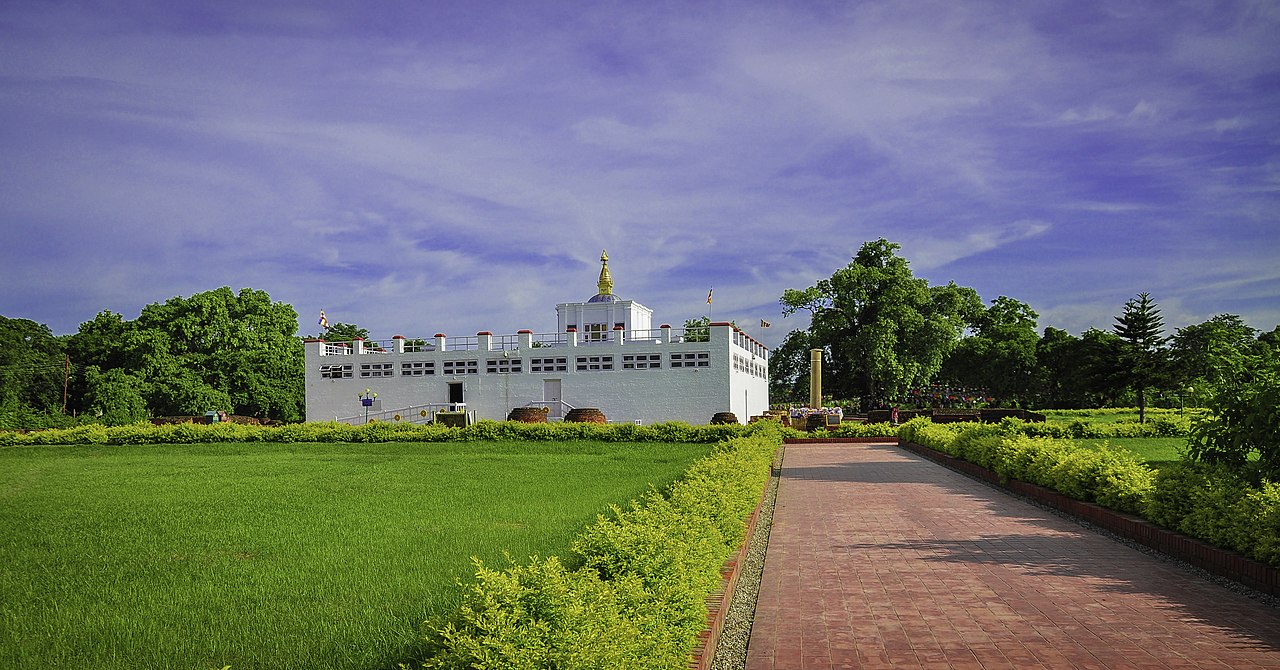


Nepal in Spring
From hillsides ablaze with crimson rhododendrons to snow-dusted peaks under blue skies, spring is when Nepal bursts into colour and the mountains come back into view.
A glimpse of Nepal in Spring


Overview
Spring in Nepal runs from March to May and is, alongside autumn, one of the country's two peak travel seasons. As the cold, dry grip of winter loosens, the days grow warm and long, the hills explode into blossom, and the high Himalaya, often hazy in the depths of winter, reappear in crisp, clear morning light. For many travellers, spring is the most beautiful time of year to be in Nepal: the trekking trails are open and dry, the temperatures are comfortable across most regions, and the landscape is at its most vivid.
The defining image of a Nepali spring is the rhododendron, Nepal's national flower, the lali gurans, which carpets the middle hills and lower mountain forests in shades of red, pink and white from March into April. Trails through the foothills of the Annapurna and Everest regions pass through entire forests in full bloom, a spectacle that draws photographers and trekkers from around the world. Down in the warm lowlands, the jungle grasses of Chitwan are cut back, making this an excellent time to spot wildlife before the pre-monsoon heat peaks.
Spring is also a season of celebration. It opens with the riotous colour of Holi in March, builds to the Nepali New Year and the chariot festivals of mid-April, and closes with Buddha Jayanti in late April or May. The combination of fine weather, blossoming landscapes and major festivals makes spring a rewarding, if busy, time to visit. It is widely considered the second peak season after autumn, so popular trails, lodges and flights fill up and prices climb, particularly in April. Book ahead and you will be rewarded with some of the finest conditions Nepal offers all year.
Weather & Temperatures
Spring weather in Nepal is warm, dry and mostly stable, but it varies enormously with altitude, the country drops from over 8,000 m of high Himalaya to the steamy Terai plains near sea level. Conditions also shift noticeably across the three months: cool and clear in March, warm and bright in April, and hot and increasingly hazy by May as the pre-monsoon builds.
The Terai (lowlands, e.g. Chitwan, Lumbini, ~150 m)
The southern plains are the warmest part of the country. March is pleasant with daytime highs around 25–32°C, but by late April and May the heat builds quickly to 35–40°C with rising humidity. Mornings remain comfortable, so wildlife safaris in Chitwan are best done at dawn before the midday heat. Visit the Terai in March or early April to dodge the worst of the pre-monsoon swelter.
The mid-hills (e.g. Kathmandu ~1,400 m, Pokhara ~820 m)
The valleys where most travellers spend time enjoy the most agreeable spring weather. Expect daytime highs of around 20–28°C and mild nights of 10–18°C, climbing through the season. March mornings can still be cool and the air clear; by May afternoons turn warm and a little sticky, with the first pre-monsoon thunderstorms possible.
The mountains (trekking altitudes, 3,000 m and above)
Higher up it stays cold, especially at night. At trekking elevations such as Everest Base Camp or the Annapurna high passes, daytime temperatures might reach 5–15°C in the sun but plunge to -5 to -15°C overnight, colder still on exposed ridges and at the highest camps. Spring snow lingers on the passes early in the season. Days are generally sunny and stable, ideal for trekking, though afternoons can cloud over.
The haze factor: Early spring (March) usually offers the clearest, most reliable Himalayan views. As the season warms, dust, agricultural burning and rising humidity build a haze in the lower air that can blur distant mountain views by late April and May, especially in the afternoons. The trick is simple, head to viewpoints at sunrise, when the air is cleanest and the peaks are sharpest.
Nepal in March, April & May: Month by Month
Spring warms fast in Nepal — the month you pick changes both the views and the flowers.
Nepal in March
The coolest, clearest spring month. Winter snow still dusts the high passes early on, but the trails come alive as rhododendrons begin blooming at lower elevations (roughly 1,500–2,500 m). Kathmandu days are a pleasant 20–25°C, mountain views are at their spring sharpest, and the festival of Holi splashes colour across the country. A superb month for Poon Hill and other mid-elevation treks through flowering forest.
Nepal in April
The peak spring month: rhododendron bloom climbs to its highest and most spectacular range (2,500–3,500 m), high passes reopen reliably, and this is the classic season for Everest Base Camp — you may share the trail with summit expeditions heading for the mountain itself. Days warm into the high 20s in the valleys and low-country haze begins to build, so plan sunrise viewpoints. Nepali New Year (mid-April) brings celebrations, especially Bisket Jatra in Bhaktapur.
Nepal in May
Hot and increasingly hazy below 2,000 m — Kathmandu pushes toward 30°C and the Terai well past 35°C — but the high mountains are in prime condition, and this is the main Everest summit window. Buddha Jayanti (Buddha's birthday, usually May) makes Lumbini and Kathmandu's stupas especially atmospheric. Trek high, start early, and expect pre-monsoon afternoon build-ups late in the month.
Where to Go in Spring
Spring opens up almost the whole country, but a few experiences are at their absolute best in March, April and May. This is prime trekking season, the rhododendron forests are in bloom, and the lowlands are still cool enough for comfortable wildlife viewing.
Trekking: the headline of a Nepali spring
Spring is one of the two best windows for high-altitude trekking. The trails are dry, the days are long and sunny, and the higher peaks are clear in the mornings. The two great classics shine in this season:
- Everest Base Camp. The most famous trek on earth is in full swing in spring, it coincides with the main Everest climbing season, so Base Camp is alive with expedition tents and energy. Days are clear and stable; nights are bitterly cold at altitude. Book lodges and Lukla flights well ahead.
- Annapurna Circuit and Annapurna Base Camp. The Annapurna region is gloriously green and flower-filled in spring, with the rhododendron forests of the lower trails giving way to high alpine scenery. The Thorong La pass on the Circuit is usually clear of the worst winter snow by late spring.
- Rhododendron forests of Ghorepani and Poon Hill. For the quintessential spring trek, nothing beats the Ghorepani–Poon Hill loop. Its forests turn into a sea of red and pink rhododendron in late March and April, and the dawn view from Poon Hill over the Annapurna and Dhaulagiri ranges is unforgettable. It is short (4–5 days), accessible from Pokhara, and perfect for first-time trekkers.
Pokhara and the lakes
Pokhara is at its loveliest in spring. The lakeside town is warm and relaxed, the Annapurnas and Machhapuchhre (Fishtail) reflect in Phewa Lake on clear mornings, and it is the launchpad for paragliding, boating and the Poon Hill trek. Rise early for the Sarangkot sunrise before the day's haze sets in.
Chitwan: before the peak heat
Spring is a fine time for a jungle safari in Chitwan National Park, particularly in March and early April. The tall elephant grass is cut and burned in late winter, dramatically improving visibility for spotting the endangered one-horned rhino, deer and, if you are lucky, a tiger. Go early in the season and start your safaris at dawn, as the Terai becomes genuinely hot by May.
Kathmandu Valley sightseeing
The Kathmandu Valley is warm and pleasant for temple-hopping in spring, with gardens in bloom and generally good morning visibility for the views from Swayambhunath and Nagarkot. It is also the best season to catch the great spring festivals, Holi, the Nepali New Year chariot festivals and Buddha Jayanti, which animate the valley's squares and shrines.
Festivals & Events
Spring is one of the richest seasons on Nepal's festival calendar, packing several of the country's most colourful and joyful celebrations into a few short months. Because the Nepali calendar is lunar, exact dates shift each year, so always check the current year's dates when planning.
- Holi (Fagu Purnima), March. The festival of colours marks the arrival of spring and the triumph of good over evil. People throw coloured powder (abir) and water at one another in the streets, and the air fills with music and dancing. It is celebrated a day earlier in the hills than in the Terai. Expect to get joyfully drenched and dusted, wear clothes you don't mind ruining.
- Ghode Jatra, late March / early April. The "Horse Festival" in Kathmandu features a horse parade and races at Tundikhel ground, traditionally held to trample the spirit of a demon said to lie beneath the city.
- Nepali New Year & Bisket Jatra, mid-April. The Nepali New Year (Nava Barsha) falls in mid-April, beginning the year 2083 in the Bikram Sambat calendar in spring 2026. It is celebrated nationwide, but most spectacularly in Bhaktapur, where the multi-day Bisket Jatra sees huge chariots of the deities Bhairava and Bhadrakali hauled through the streets by crowds, and a tall ceremonial pole (lingo) is raised and then toppled to mark the new year.
- Buddha Jayanti (Buddha Purnima), April / May. The full-moon day celebrating the birth, enlightenment and death of the Buddha. It is observed with special devotion at the great stupas of Boudhanath and Swayambhunath in Kathmandu and at Lumbini, the Buddha's birthplace in the Terai, drawing pilgrims and monks from across the Buddhist world.
If festivals are a priority, time your trip around mid-April to catch the New Year celebrations and Bisket Jatra together, but book accommodation early, as these are busy, in-demand dates.
What to Pack
The key to packing for spring in Nepal is layering. Daytime temperatures are warm, even hot in the lowlands, but mornings, evenings and high altitudes can be cold, sometimes within the same day. Pack so you can add and shed layers as the temperature swings.
- Light, breathable clothing for warm days, T-shirts, light trousers and shorts for the cities and lowlands.
- Warm mid-layers, a fleece or light down jacket for cool mornings and evenings, essential if you are heading into the hills or trekking.
- A serious warm layer for high altitude. If you are trekking above 3,000 m, you still need a proper down jacket, warm hat, gloves and a good sleeping-bag rating, nights remain well below freezing.
- Sun protection. Spring sun is strong, especially at altitude where UV is intense. Pack a sun hat, sunglasses, high-SPF sunscreen and lip balm.
- A light rain layer. By late spring (late April–May), pre-monsoon afternoon thunderstorms become more likely. A packable waterproof jacket or rain shell is wise insurance.
- Modest clothing for temples, shoulders and knees covered, and comfortable, broken-in walking shoes.
- For Chitwan: neutral-coloured long sleeves and trousers, closed shoes, insect repellent and binoculars.
Don't over-pack for the heat alone: the single most common mistake is bringing too little warm clothing for cold mornings and high-altitude nights.
Pros & Cons of Spring
Spring is one of the two best seasons to visit Nepal, but it is not without trade-offs. Here is the honest balance to help you decide.
Pros
- Rhododendron blooms. The hills and lower mountain forests burst into red, pink and white, a spectacle unique to spring.
- Warm, comfortable weather across the hills and valleys, with long sunny days ideal for sightseeing and trekking.
- Prime trekking conditions. Dry, open trails and the main Everest climbing season make this a top window for the big treks.
- Clear mountain views in the early season, especially at sunrise in March and early April.
- Major festivals, Holi, Nepali New Year, Bisket Jatra and Buddha Jayanti all fall in spring.
- Good wildlife viewing in Chitwan early in the season, when the grass is cut.
Cons
- Building haze. Dust, agricultural burning and humidity blur distant mountain views by late April and May, especially in afternoons.
- Peak-season crowds and prices. Spring is the second-busiest season; popular trails, lodges and flights fill up and rates rise, particularly in April.
- Heat in the lowlands. The Terai (Chitwan, Lumbini) gets uncomfortably hot by May.
- Pre-monsoon storms become more likely late in the season, with occasional afternoon thunderstorms.
Tips for Spring Travel
- Go early for the mountains. Visit high viewpoints and do sunrise treks (Poon Hill, Sarangkot, Nagarkot) at dawn, when the air is clearest. Plan the most view-dependent parts of your trip in March or early April before the haze builds.
- Book well ahead. Spring is peak season. Reserve trekking lodges, Lukla flights, Pokhara hotels and Chitwan safari packages early, especially around mid-April festivals, to lock in availability and better prices.
- Time the rhododendrons. The blooms peak roughly late March to mid-April in the middle hills, a little later at higher elevations. The Ghorepani–Poon Hill and lower Annapurna trails are the classic places to see them.
- Don't underestimate the altitude cold. Warm days at the trailhead mislead people. Pack a proper down jacket and warm sleeping bag for high camps where nights stay well below freezing.
- Visit the Terai early. Do Chitwan and Lumbini in March or early April to avoid the punishing pre-monsoon heat of May, and schedule safaris for dawn.
- Enjoy Holi safely. Wear old clothes, protect your camera and phone in a waterproof bag, and use natural colours where you can. It is great fun but messy and high-spirited.
- Pack a rain shell from late April. Pre-monsoon thunderstorms can roll in during the afternoons later in the season.
- Acclimatise properly on treks. The clear, inviting spring weather tempts people to climb too fast, follow sensible ascent rates and build in rest days to avoid altitude sickness.
- Carry cash. Many lodges, vendors and entry points are cash-only; keep Nepali rupees in small notes for the trail and tips.
Frequently Asked Questions
Is spring a good time to visit Nepal?
Yes, spring (March to May) is one of the two best times to visit Nepal, alongside autumn. The weather is warm, the trails are dry, the hills bloom with rhododendrons, and the mountains are clear in the early-season mornings. It is also a season of major festivals. The main trade-offs are building haze, peak-season crowds and rising lowland heat.
What months are spring in Nepal?
Spring in Nepal covers March, April and May. March is cool and clear, April is warm and at its most colourful with rhododendrons in bloom, and May is hot in the lowlands with increasing haze and the first pre-monsoon storms.
What is the weather like in Nepal in spring?
Spring weather varies by region. The lowland Terai is warm to hot, around 25 to 32°C in March rising to 35 to 40°C by May. The mid-hills including Kathmandu and Pokhara are mild and pleasant, around 20 to 28°C by day. The high mountains stay cold, with daytime highs of 5 to 15°C and nights well below freezing at trekking altitudes.
Can you see the mountains clearly in Nepal in spring?
Yes, especially in early spring. March and early April offer the clearest Himalayan views, particularly at sunrise. As the season warms, dust, agricultural burning and humidity build a haze that can blur distant views by late April and May, so visit viewpoints at dawn for the best chance of clear peaks.
What should I wear in Nepal in spring?
Dress in layers. Bring light, breathable clothing for warm days, a fleece or light down jacket for cool mornings and evenings, and a proper down jacket if you are trekking at high altitude where nights stay below freezing. Add sun protection, a packable rain layer for late spring, and modest clothing for temples.
What are the best treks in Nepal in spring?
The best spring treks are Everest Base Camp, which coincides with the main climbing season, the Annapurna Circuit and Annapurna Base Camp, and the short Ghorepani–Poon Hill loop, famous for its rhododendron forests. Spring offers dry trails, long sunny days and clear morning mountain views.
When do rhododendrons bloom in Nepal?
Rhododendrons, Nepal's national flower, bloom roughly from late March to mid-April in the middle hills, and a little later at higher elevations. The forests of Ghorepani and Poon Hill and the lower Annapurna trails are among the best places to see entire hillsides turn red, pink and white.
Is spring crowded in Nepal?
Yes, spring is the second-busiest season after autumn. Popular trekking trails, mountain lodges, domestic flights and Pokhara hotels fill up, especially in April and around the mid-April festivals. Booking ahead is strongly recommended.
Are prices higher in Nepal during spring?
Generally yes. As one of the two peak seasons, spring brings higher demand and prices for accommodation, flights, trekking lodges and tours, particularly in April. Booking early helps you secure availability and better rates.
What festivals happen in Nepal in spring?
Spring features several major festivals: Holi (Fagu Purnima) in March, Ghode Jatra in late March or early April, the Nepali New Year and Bisket Jatra in Bhaktapur in mid-April, and Buddha Jayanti in late April or May. Exact dates shift each year with the lunar calendar.
Is spring a good time to visit Chitwan?
Yes, particularly in March and early April. The tall grass is cut in late winter, improving wildlife visibility for spotting rhinos, deer and tigers, and mornings are still comfortable. Visit early in the season and do safaris at dawn, because the Terai becomes very hot by May.
Does it rain in Nepal in spring?
Spring is mostly dry, but pre-monsoon afternoon thunderstorms become more likely late in the season, in late April and May. Pack a light rain shell for that period. The main monsoon does not arrive until June.
Is spring or autumn better for visiting Nepal?
Both are excellent peak seasons. Autumn (October to November) usually has the clearest, most stable skies and the great Dashain and Tihar festivals. Spring (March to May) offers warm weather, the rhododendron blooms and the main Everest climbing season, with the trade-off of building haze and heat later on. Choose spring for flowers and the climbing atmosphere, autumn for the crispest mountain views.
How cold does it get when trekking in Nepal in spring?
At trekking altitudes above 3,000 m, daytime temperatures may reach 5 to 15°C in the sun, but nights drop to roughly -5 to -15°C, colder still at the highest camps and on exposed ridges. A proper down jacket and a warm sleeping bag are essential even though the lower trails feel warm.
Do I need to book treks in advance for spring?
Yes. Because spring is peak season, it is wise to book trekking lodges, guides, permits and especially Lukla flights for Everest well in advance, particularly for travel in April and around the mid-April festivals when demand is highest.
Reviews & Ratings
No reviews yet. Be the first to share your experience of Nepal in Spring!
Official sources
Fees and rules on this page come from the bodies that set them. They do change, sometimes mid-season, so check the primary source before you pay anything.
- Dept. of National Parks & Wildlife Conservation National park & conservation area entry feesdnpwc.gov.np

By the BriefNepal Travel Desk
Researched and maintained by our Nepal-based editorial team and reviewed for accuracy. Last updated September 3, 2026. Prices, permits and conditions change, always verify before you travel. Spotted something out of date? Let us know.
Nepal Currency Converter
Live exchange rates for the Nepalese Rupee (NPR) against every world currency, handy for budgeting the prices in our guides.
Live mid-market rates. For information only, banks and exchanges apply their own margins.
Planning a trip to Nepal?
Join the BriefNepal Travel list for seasonal tips, new guides and our free Nepal trip-planning checklist. No spam, unsubscribe anytime.