




Nepal in February
February is winter on the way out — still crisp and clear, but with longer days, early blossom in the low hills and two of the year's great festivals.
A glimpse of Nepal in February


Overview
February keeps most of January's virtues — dry air, sharp mountain views, quiet sites and low prices — while steadily shedding its bite. Days lengthen noticeably, afternoons in Kathmandu reach a springlike 18–21°C by month's end, and in the low hills the first early rhododendrons and mustard blooms hint at the season to come.
The high passes remain snowbound, so this is still a month for the lowlands, the cities and treks below roughly 3,500 m. But February has an ace the other winter months lack: its festivals. Losar fills Boudhanath and the Tibetan-Buddhist communities with masked dances and new prayer flags, and Maha Shivaratri draws hundreds of thousands of pilgrims and ash-smeared sadhus to Pashupatinath — one of the most extraordinary spectacles in South Asia. For the season-wide picture, see the full winter guide.
February Weather & Temperatures
| Region | Typical February temps | Conditions |
|---|---|---|
| Kathmandu Valley | 4–21°C | Cold mornings easing; mild, sunny afternoons |
| Pokhara | 8–22°C | Crisp and clear; excellent Annapurna views |
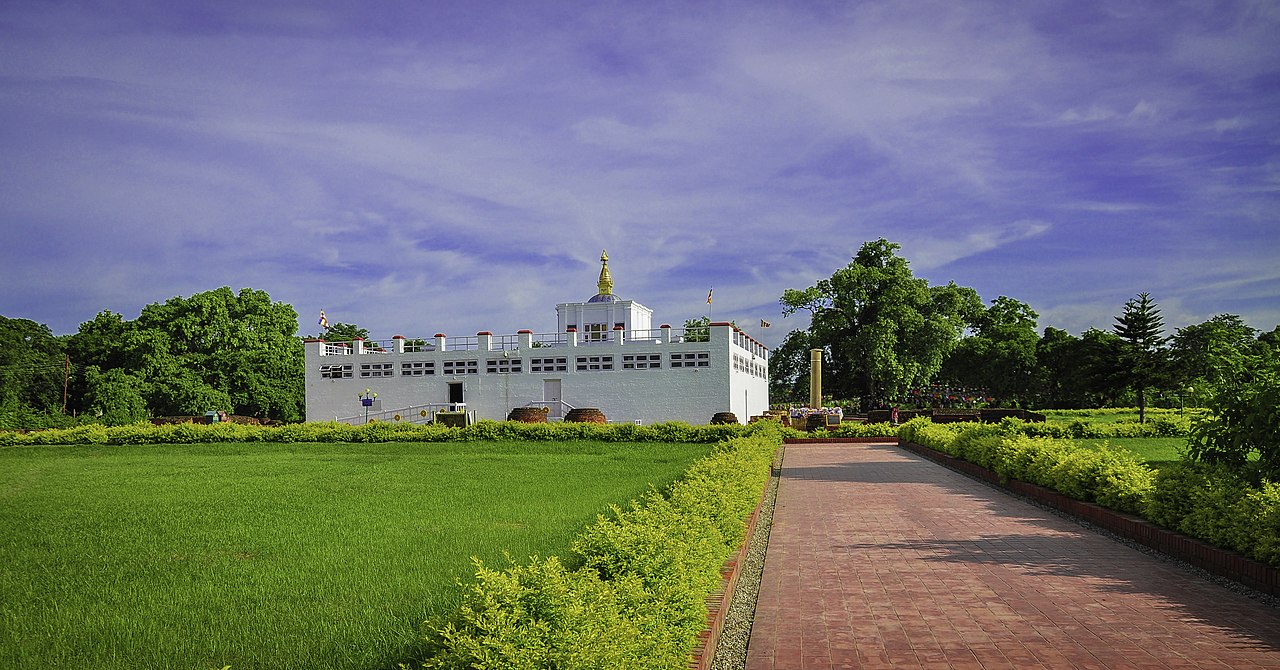
| Terai (Chitwan, Lumbini) | 10–25°C | Very pleasant; fog spells fade through the month |
| Mid-hills (2,000–3,000 m) | 0–14°C | Frosty nights, bright days, melting snow patches |
| High mountains (3,500 m+) | −8 to −16°C nights | Still deep winter; passes closed |
Rain stays rare, visibility stays high, and morning fog thins as the month progresses. By late February the low-hill trails feel distinctly spring-like.
Where to Go in February
- Pashupatinath for Shivaratri — if your dates align, this is the month's unmissable experience: a city of sadhus, bonfires and all-night devotion.
- Boudhanath for Losar — Tibetan New Year brings fresh prayer flags, ceremonial dances and pilgrims circling the great stupa.
- Chitwan & the Terai — still prime safari weather before the spring heat builds.
- Low treks — Poon Hill, Mohare Danda and late-February Langtang for the hardy, with early blossom below and snow above.
- Pokhara — clear lake mornings and dependable Sarangkot sunrises, still without the crowds.
Festivals & Events in February
Losar, the Tibetan New Year, usually falls in February (occasionally late January). Boudhanath, Swayambhunath and the high Buddhist valleys — Langtang, Khumbu, Mustang — celebrate with family feasts, cham dances and fresh prayer flags strung against the winter sky.
Maha Shivaratri, the great night of Shiva, typically falls in February or early March. Pashupatinath becomes the centre of the Hindu world for a night: hundreds of thousands of pilgrims, naked naga sadhus by their fires, and temple queues that run through the night. Go with patience and keep valuables minimal — it is crowded, chaotic and unforgettable.
Packing & Practical Tips
- Pack for two seasons: down jacket and warm layers for mornings, but add lighter trekking wear — afternoons genuinely warm up.
- Time your visit to a festival if you can; Shivaratri in particular is worth planning a whole trip around.
- Book Pashupatinath-area rooms early for Shivaratri week — pilgrims fill the city's east side.
- Trekking: conditions mirror January's (stay below ~3,500 m) early in the month, easing later; late February is a lovely, quiet shoulder for Poon Hill.
- Prices: low-season rates generally hold until March — a last chance at winter discounts with near-spring weather.
Frequently Asked Questions
Is February a good time to visit Nepal?
Yes — it keeps winter's clear skies and quiet trails while warming steadily, and it hosts two great festivals: Losar (Tibetan New Year) and Maha Shivaratri at Pashupatinath. High-altitude treks remain closed, but cities, the Terai and low treks are excellent.
How cold is Nepal in February?
Kathmandu ranges roughly 4–21°C, with cold mornings and mild sunny afternoons that warm through the month. The Terai reaches a very pleasant 25°C, while high trekking altitudes stay in deep winter at −8 to −16°C overnight.
When is Maha Shivaratri and is it worth seeing?
Shivaratri usually falls in February or early March (it follows the lunar calendar). It is absolutely worth seeing: hundreds of thousands of pilgrims and sadhus converge on Pashupatinath for a night of fires, chanting and devotion — one of Nepal's most powerful spectacles.
Can you trek in Nepal in February?
Below about 3,500 m, yes — Poon Hill and similar treks are quiet and clear, and by late February conditions ease noticeably. The high passes (Thorong La, the Everest passes) remain snowbound until spring.
What is Losar?
Losar is the Tibetan New Year, usually celebrated in February. In Nepal it is marked by Buddhist communities at Boudhanath and Swayambhunath in Kathmandu and throughout the high valleys, with family gatherings, ritual dances and new prayer flags.
Is February cheaper than the trekking seasons?
Yes. February keeps most of the winter low-season discounts on hotels and guides, while offering weather that improves by the week — arguably the best value-to-conditions ratio of the early year.
Reviews & Ratings
No reviews yet. Be the first to share your experience of Nepal in February!
Official sources
Fees and rules on this page come from the bodies that set them. They do change, sometimes mid-season, so check the primary source before you pay anything.
- Nepal Tourism Board Official Nepal tourism informationntb.gov.np

By the BriefNepal Travel Desk
Researched and maintained by our Nepal-based editorial team and reviewed for accuracy. Last updated September 3, 2026. Prices, permits and conditions change, always verify before you travel. Spotted something out of date? Let us know.
Nepal Currency Converter
Live exchange rates for the Nepalese Rupee (NPR) against every world currency, handy for budgeting the prices in our guides.
Live mid-market rates. For information only, banks and exchanges apply their own margins.
Planning a trip to Nepal?
Join the BriefNepal Travel list for seasonal tips, new guides and our free Nepal trip-planning checklist. No spam, unsubscribe anytime.
Explore More of Nepal
 Nepal in WinterCrisp clear days, snow-dusted peaks and the warm Terai lowlands.Nepal in JanuaryThe coldest, clearest month — empty trails, crisp views and the warm Terai.
 Nepal in MarchSpring begins — rhododendrons, Holi and the trekking season opener.Pashupatinath TempleNepal's holiest Shiva shrine on the sacred Bagmati.
 ChitwanJungle safaris, one-horned rhinos and the wild Terai.