




Nepal in Winter
From the clearest Himalayan views of the year to mist rising over a sun-warmed jungle, winter shows you a quieter, crisper, more affordable Nepal.
A glimpse of Nepal in Winter


Overview
Winter in Nepal runs from December through February, and it is one of the most underrated times to visit the country. While the autumn and spring high seasons draw the biggest crowds, winter rewards travellers who do not mind a little cold with something special: the clearest, most stable skies of the entire year. After the monsoon dust has settled and before the spring haze builds, the Himalaya stands out in sharp, hard-edged detail, the peaks freshly dusted with snow and glowing pink at dawn. For mountain photographers and view-chasers, no season delivers more reliably.
The popular picture of Nepal as a frozen Himalayan kingdom only tells part of the story. The country drops from the 8,000-metre giants of the high Himalaya to subtropical lowlands barely above sea level, and winter feels completely different depending on where you stand. High in the mountains it is genuinely cold and the highest passes are snowbound or closed. In the Kathmandu Valley and Pokhara the days are cool but pleasant, often bright and sunny, with cold nights. Down in the Terai, the lowland belt that includes Chitwan and Lumbini, winter is the best season of all: warm, dry, comfortable days with crisp, sometimes foggy mornings.
The other great appeal of winter is the calm. Trekking trails, heritage sites and tourist hubs are far quieter than in October, hotels and flights are cheaper and easier to book, and the whole country moves at a gentler pace. You trade some warmth and the loss of the very highest routes for clear views, thin crowds and lower prices, a trade many seasoned travellers happily make. This guide covers exactly what to expect from a Nepal winter: the weather region by region, where to go, the festivals that light up the cold months, what to pack, and the practical tips that make a December, January or February trip a success.
Weather & Temperatures
Nepal's winter weather is defined by altitude. The same week can bring a sweaty afternoon in the jungle and a sub-zero night in the mountains, so it pays to understand the three broad zones before you plan and pack.
Kathmandu Valley & the hills (~1,400 m)
In Kathmandu and the surrounding valley, winter days are cool but usually bright, with daytime highs around 17–20°C and nights dropping to 2–7°C, occasionally near freezing in December and January. The sun is strong by midday, so you will often be comfortable in a fleece or light jacket while sightseeing, then reach for serious layers as soon as it sets. Mornings can be foggy and cold. One thing that catches visitors out: most budget and mid-range rooms are unheated, with stone or tile floors that hold the cold, so the nights indoors can feel colder than the temperature suggests. Pokhara, slightly lower at around 820 m, is a touch milder but follows the same pattern of warm sun and chilly nights.
The Terai & Chitwan (~100–200 m)
The southern lowlands are where winter is at its best. Daytime temperatures are pleasantly mild to warm, around 20–25°C, with clear, dry skies and comfortable humidity, ideal for a jungle safari. Nights are cooler (around 8–12°C) and the famous Terai morning fog can be thick, sometimes lingering until mid-morning before the sun burns it off. This is peak wildlife season in Chitwan: the grass has been cut, animals are easier to spot, and you will not be battling the heat and humidity of other months.
The high mountains & passes (3,000 m and above)
Up high, winter is cold and serious. Daytime temperatures at trekking altitudes hover around or below freezing and night-time lows can plunge to -10°C to -20°C or colder. Snowfall is common above about 3,000 m, and the highest passes, such as the Thorong La on the Annapurna Circuit and parts of the Everest region, are snowbound, dangerous or effectively closed through the deep winter. Many high-altitude teahouses shut for the season. Crucially, though, the skies are extraordinarily clear and stable, so the mountain views from lower vantage points are at their finest. The takeaway: stay low, dress warm, and you will be rewarded.
| Region | Typical day | Typical night | Conditions |
|---|---|---|---|
| Terai / Chitwan / Lumbini | 20–25°C | 8–12°C | Warm, dry days; foggy mornings |
| Kathmandu & Pokhara | 17–20°C | 2–7°C | Sunny, clear; cold nights, unheated rooms |
| Mid-hill treks (2,000–3,500 m) | 5–12°C | −5 to 2°C | Crisp, clear; frost, possible snow |
| High mountains (3,500 m+) | around freezing | −10 to −20°C | Snow; high passes closed |
Nepal in December, January & February: Month by Month
Winter is Nepal's underrated clear season — the coldest, but with some of the year's most dependable blue skies. Each month plays a little differently.
Nepal in December
Early winter is a quiet gem: skies are usually crystal clear, Kathmandu days reach a mild 18–20°C (nights near freezing), and the autumn crowds are gone. Lower treks like Poon Hill remain very doable, Chitwan safaris are at their best, and Christmas–New Year brings a small bump of holiday travellers to Pokhara's lakeside and Thamel.
Nepal in January
The coldest month. Kathmandu mornings can dip to 2–3°C with fog, high passes are snowbound, and mountain lodges above ~4,000 m largely close — but visibility on clear days is superb and tourist sites are at their emptiest. The Terai stays comfortable (Chitwan around 20°C by day), making January prime time for wildlife, Lumbini and Janakpur. The Maghe Sankranti festival falls in mid-January.
Nepal in February
Winter loosens its grip: days lengthen and warm noticeably by month's end, and late February often brings the first blush of early rhododendrons on low trails. Losar (Tibetan New Year, January or February depending on the lunar calendar) enlivens Boudhanath and the high Buddhist valleys, and Maha Shivaratri (usually late February or early March) draws vast crowds of sadhus and pilgrims to Pashupatinath — one of Nepal's great festival spectacles.
Where to Go in Winter
Winter rewards a "low and sunny" strategy: spend your time in the Terai, the valleys and on lower-altitude trails, and let the high peaks be the backdrop rather than the destination. Here is where Nepal shines from December to February.
Chitwan & the Terai: best in winter
If you are visiting Nepal in winter, Chitwan should be at the top of your list. The lowland jungle is at its most comfortable and most rewarding in these months: warm sunny days, no oppressive heat or monsoon mud, cut grass that improves visibility, and active wildlife. Jeep safaris, dugout canoe trips and guided jungle walks are all at their best, with strong chances of spotting one-horned rhino and, for the lucky, a Bengal tiger. Crisp foggy mornings drifting over the Rapti River add real atmosphere.
Lumbini: the peaceful pilgrimage in fine weather
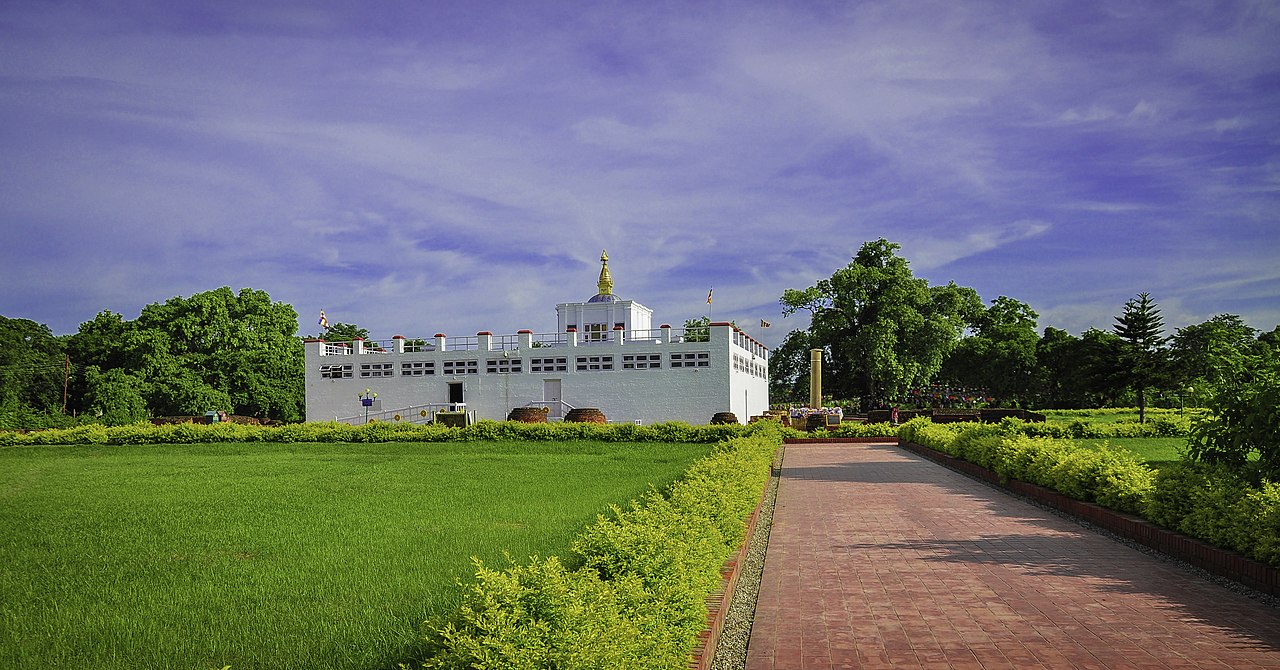
The birthplace of the Buddha, Lumbini, sits in the western Terai and is similarly best enjoyed in winter, when the flat, exposed monastic zone is pleasant to explore on foot or by bicycle rather than baking in the heat. The sacred garden, the Maya Devi Temple and the international monasteries are calm and uncrowded, and the mild, dry weather makes for an unhurried, contemplative visit.
Pokhara & the lakes
Pokhara is a winter delight. The days are mild and frequently brilliant, and the lakeside setting beneath the Annapurnas means the famous Sarangkot sunrise is at its most reliable, with the snow-laden peaks of Machhapuchhre and Annapurna crisp against a clear sky. Boating on Phewa Lake, the World Peace Pagoda and the relaxed Lakeside cafés all suit the gentle winter pace.
Lower-altitude treks
You can absolutely trek in winter, you just stay lower. The short, scenic Poon Hill trek in the Annapurna foothills is the classic winter choice: it tops out at around 3,210 m, offers some of the country's best sunrise panoramas, and is very manageable with warm gear, though there can be snow and ice on the upper steps. The Mardi Himal trek is also doable in winter up to a point, the lower viewpoints are spectacular and accessible, but the high camp and upper viewpoint can be snowbound and are best attempted only with a guide and the right equipment. Other gentle options include Australian Camp, Ghandruk and the day hikes around the Kathmandu Valley rim.
Kathmandu Valley culture
Winter is an excellent time for unhurried cultural sightseeing. The Durbar Squares of Kathmandu, Patan and Bhaktapur, the great stupas of Boudhanath and Swayambhunath, and the temple of Pashupatinath are all far quieter than in autumn. Bright winter light is flattering for photography, and the cool, dry air makes a full day of monument-hopping comfortable, just plan an early start to catch the clearest skies before any midday haze.
Festivals & Events
The cold months are surprisingly rich in festivals, several of them tied to the new year of Nepal's mountain communities and to important Hindu observances. Catching one adds real colour to a winter trip.
- Tamu Lhosar (late December). The new year of the Gurung community, celebrated around 30 December with feasting, traditional dress, music and dancing. It is especially lively in Pokhara and the central hills, the Gurung heartland.
- Sonam Lhosar (late January / early February). The new year of the Tamang people, marked with colourful processions, masked dances and family gatherings. Boudhanath in Kathmandu, with its strong Tibetan-Buddhist community, is a wonderful place to witness the celebrations.
- Maghe Sankranti (mid-January). Marking the end of the coldest period and the sun's movement north, this festival falls around 14–15 January. People take ritual holy dips at river confluences, and traditional winter foods such as sesame sweets (til ko laddu), molasses (chaku), ghee and sweet potatoes are eaten for warmth and good fortune.
- Basanta Panchami / Saraswati Puja (late January / February). A celebration of the coming of spring and of Saraswati, the goddess of learning. Students and schools honour her, and it is considered an auspicious day for beginning education; temples such as those at Swayambhunath see large crowds.
- Maha Shivaratri (February or early March). One of the biggest events of the late-winter calendar, the "great night of Shiva" draws hundreds of thousands of devotees and thousands of sadhus from across the subcontinent to Pashupatinath Temple in Kathmandu. Bonfires, all-night vigils, chanting and an extraordinary gathering of holy men make it one of the most spectacular religious events you can witness in Nepal.
Exact dates shift each year because most follow the lunar calendar, so check the current year's calendar when planning. A festival can mean busier sites and the occasional closure, but the cultural reward is well worth building your dates around.
What to Pack
The golden rule for a Nepal winter is layers. The huge daily swing between strong midday sun and cold nights, and the even bigger swing between the warm Terai and the freezing hills, means you want to add and shed clothing easily through the day. Pack for the coldest place on your itinerary, not the average.
- Warm base and mid layers. Thermal tops and leggings, fleece or wool jumpers, and long-sleeved shirts form the core of your kit for cold mornings, evenings and any time at altitude.
- A proper down or insulated jacket. Essential for cold dawns, mountain viewpoints, unheated rooms and any trekking. A packable down jacket is the single most useful winter item.
- Windproof / waterproof shell. A light outer layer cuts the wind chill at viewpoints like Sarangkot and Poon Hill and handles the occasional winter shower or snow flurry.
- Hat, gloves and a warm scarf or buff. A lot of heat is lost from the head and hands on cold mornings; these are small, light and make a big difference.
- Warm socks and good footwear. Comfortable walking shoes for cities, and sturdy, broken-in trekking boots plus warm socks if you are heading to any trail; trails can be icy.
- A warm sleeping layer. Because budget rooms are unheated, a thin sleeping-bag liner or your own light sleeping bag adds real comfort; for trekking, a four-season bag (or a good rental in Kathmandu) is important.
- Sun protection. Sunglasses, sunscreen and lip balm, the winter sun and snow glare at altitude are deceptively strong.
- Lighter clothing for the Terai. If your trip includes Chitwan or Lumbini, pack a few lighter, neutral-coloured items for warm jungle afternoons alongside your cold-weather gear.
- Reusable water bottle and a small daypack for daily essentials, plus a power bank for cold-shortened battery life.
Tip: you do not need to buy everything before you arrive. Thamel in Kathmandu and Lakeside in Pokhara are full of shops renting and selling down jackets, sleeping bags and trekking gear at low prices.
Pros & Cons of Winter
Winter is a genuine trade-off rather than a clear win or loss. Whether it suits you depends on what you value most. Here is the honest balance sheet.
Pros
- The clearest mountain views of the year. Stable, dry air gives sharp, reliable Himalayan panoramas, the best season for views from Sarangkot, Nagarkot and Poon Hill.
- Snow-dusted peaks look their most dramatic and photogenic.
- Fewer crowds. Trails, heritage sites and viewpoints are calm and uncrowded compared with the autumn peak.
- Lower prices and easy booking. Hotels and domestic flights are cheaper, and you rarely need to book far ahead outside festival dates.
- The Terai at its best. Chitwan and Lumbini enjoy warm, comfortable, prime-time weather for wildlife and pilgrimage.
- Rich festivals. Lhosar new-year celebrations, Maghe Sankranti and the spectacular Maha Shivaratri.
Cons
- Cold, especially at night and at altitude, with sub-zero mountain temperatures and chilly, unheated budget rooms in the valleys.
- High passes and routes close. The highest treks, Thorong La, the upper Everest region, high camps, are snowbound or off-limits.
- Morning fog in the Terai and valleys can delay domestic and even international flights and obscure early views.
- Shorter daylight means less sightseeing time and earlier sunsets.
- Some seasonal closures of high-altitude teahouses and lodges.
Tips for Winter Travel
A few practical habits make a winter trip far smoother and safer:
- Accept that the highest passes may close. Do not plan a winter trip around Thorong La (Annapurna Circuit), the highest Everest routes or other big passes, they are snowbound, avalanche-prone and dangerous. Choose lower trails like Poon Hill, Mardi Himal (to a sensible point), Ghandruk or Australian Camp instead, and always go with a guide in winter conditions.
- Build buffer time for fog-related flight delays. Winter morning fog in the Kathmandu Valley and Terai regularly delays domestic flights (and sometimes arrivals at Kathmandu airport). Avoid tight connections, keep a day's buffer before your international departure, and book morning flights knowing they may slip.
- Always carry warm layers, even on warm days. The temperature crashes the moment the sun goes down and at any altitude. Keep a down jacket, hat and gloves within reach rather than buried in your bag.
- Plan for unheated rooms. Ask about heating or hot-water bottles, bring a sleeping-bag liner, and choose rooms that get afternoon sun. Hot showers may rely on solar power, so wash in the warmer part of the day.
- Start sightseeing early. Skies are clearest in the morning before any haze builds, and short winter days mean you want to be out and moving in the best light.
- Watch for ice on trails and steps. Shaded sections and high steps (like the climb to Poon Hill) can be icy at dawn; trekking poles and good boots help, and microspikes are worth carrying for higher routes.
- Combine high and low. Pair clear-sky valley and trek days with a warm Terai leg in Chitwan or Lumbini for the most comfortable and varied winter itinerary.
- Stay hydrated and sun-aware. The dry, cold air and strong high-altitude sun are dehydrating; drink regularly and use sunscreen and sunglasses even when it feels cold.
Frequently Asked Questions
Is winter a good time to visit Nepal?
Yes, winter can be an excellent time to visit Nepal, particularly for clear mountain views, comfortable weather in the Terai, fewer crowds and lower prices. The trade-off is cold nights, shorter days and the closure of the highest trekking passes. If you stay at lower altitudes and pack warm layers, winter is a rewarding and quieter season.
How cold does it get in Nepal in winter?
It depends on altitude. Kathmandu and Pokhara have daytime highs around 17 to 20 degrees Celsius and nights from about 2 to 7 degrees, occasionally near freezing. The Terai is milder, around 20 to 25 degrees by day. High in the mountains above 3,500 metres, nights can fall to minus 10 to minus 20 degrees Celsius or colder.
Which months are winter in Nepal?
Winter in Nepal runs from December through February. December and January are the coldest, with the most reliable clear skies and snow on the peaks, while February begins to warm gradually towards spring. Maha Shivaratri sometimes falls in late February or early March.
Can you trek in Nepal in winter?
Yes, you can trek in winter, but you should stick to lower-altitude trails. Routes such as Poon Hill, Ghandruk, Australian Camp and the lower part of Mardi Himal are popular winter treks with great views. High passes like Thorong La on the Annapurna Circuit and the highest Everest routes are snowbound and effectively closed, so they are not advisable in deep winter.
Does it snow in Nepal in winter?
Yes, snow is common in the high mountains, generally above about 3,000 metres, and the peaks get freshly dusted through the season. The Kathmandu Valley and Pokhara very rarely see snow, and the Terai lowlands do not. Higher trekking trails and viewpoints can have snow and ice underfoot.
Is Chitwan good to visit in winter?
Chitwan is at its best in winter. The lowland jungle has warm, dry, comfortable days, the cut grass and active wildlife make rhinos and other animals easier to spot, and there is none of the heat or monsoon mud of other seasons. Crisp, foggy mornings over the Rapti River add to the atmosphere on jeep and canoe safaris.
Is Lumbini worth visiting in winter?
Yes, Lumbini is excellent in winter. The birthplace of the Buddha sits in the western Terai, where mild, dry winter days make it pleasant to explore the sacred garden, Maya Devi Temple and the international monasteries on foot or by bicycle, rather than in the heat of other seasons. It is also calm and uncrowded.
Are there fewer crowds in Nepal in winter?
Yes, winter sees noticeably fewer tourists than the autumn and spring high seasons. Trekking trails, heritage sites and viewpoints are calmer, and you generally do not need to book hotels or flights far in advance, except around festival dates such as Maha Shivaratri.
Are prices lower in Nepal in winter?
Generally yes. Outside the autumn and spring peaks, hotel rates and domestic flights are cheaper and easier to book, and there is less competition for rooms and guides. Winter is one of the better-value times to travel in Nepal.
What should I wear in Nepal in winter?
Dress in layers. Bring thermal base layers, a fleece or wool mid-layer, a warm down or insulated jacket, and a windproof shell, plus a hat, gloves and warm socks. Add sturdy footwear for any trekking and a few lighter items if you are visiting the warm Terai. A sleeping-bag liner helps in unheated budget rooms.
Are mountain views good in winter in Nepal?
Winter offers the clearest and most stable Himalayan views of the year. The dry, settled air gives sharp panoramas, and viewpoints such as Sarangkot, Nagarkot and Poon Hill are at their finest, with snow-laden peaks standing out against deep blue skies, especially in the early morning.
Do winter flights get delayed in Nepal?
They can. Dense winter morning fog in the Kathmandu Valley and Terai regularly delays domestic flights and can affect arrivals at Kathmandu airport. Build buffer time into your schedule, avoid tight connections, and keep at least a day in hand before your international departure.
Are hotel rooms heated in Nepal in winter?
Most budget and many mid-range rooms are not heated, and nights can feel cold indoors, especially in the valleys and hills. Higher-end hotels may have heating. It helps to ask in advance, request extra blankets or a hot-water bottle, choose a room that gets afternoon sun, and bring a sleeping-bag liner.
Is December, January or February the best winter month to visit Nepal?
All three work. December and January are the coldest but have the most reliable clear skies and the most dramatic snow on the peaks. February starts to warm towards spring and brings festivals like Maha Shivaratri. For the warmest lowland weather in Chitwan and Lumbini, any winter month is comfortable.
Is altitude sickness a risk on winter treks?
Altitude sickness is less of a concern on the lower winter treks recommended here, such as Poon Hill, which top out around 3,200 metres. The bigger winter risks are cold, snow and ice rather than altitude. Still, ascend gradually, stay hydrated, and go with a guide who knows the conditions.
Reviews & Ratings
No reviews yet. Be the first to share your experience of Nepal in Winter!
Official sources
Fees and rules on this page come from the bodies that set them. They do change, sometimes mid-season, so check the primary source before you pay anything.
- Nepal Tourism Board Official Nepal tourism informationntb.gov.np

By the BriefNepal Travel Desk
Researched and maintained by our Nepal-based editorial team and reviewed for accuracy. Last updated September 3, 2026. Prices, permits and conditions change, always verify before you travel. Spotted something out of date? Let us know.
Nepal Currency Converter
Live exchange rates for the Nepalese Rupee (NPR) against every world currency, handy for budgeting the prices in our guides.
Live mid-market rates. For information only, banks and exchanges apply their own margins.
Planning a trip to Nepal?
Join the BriefNepal Travel list for seasonal tips, new guides and our free Nepal trip-planning checklist. No spam, unsubscribe anytime.
