


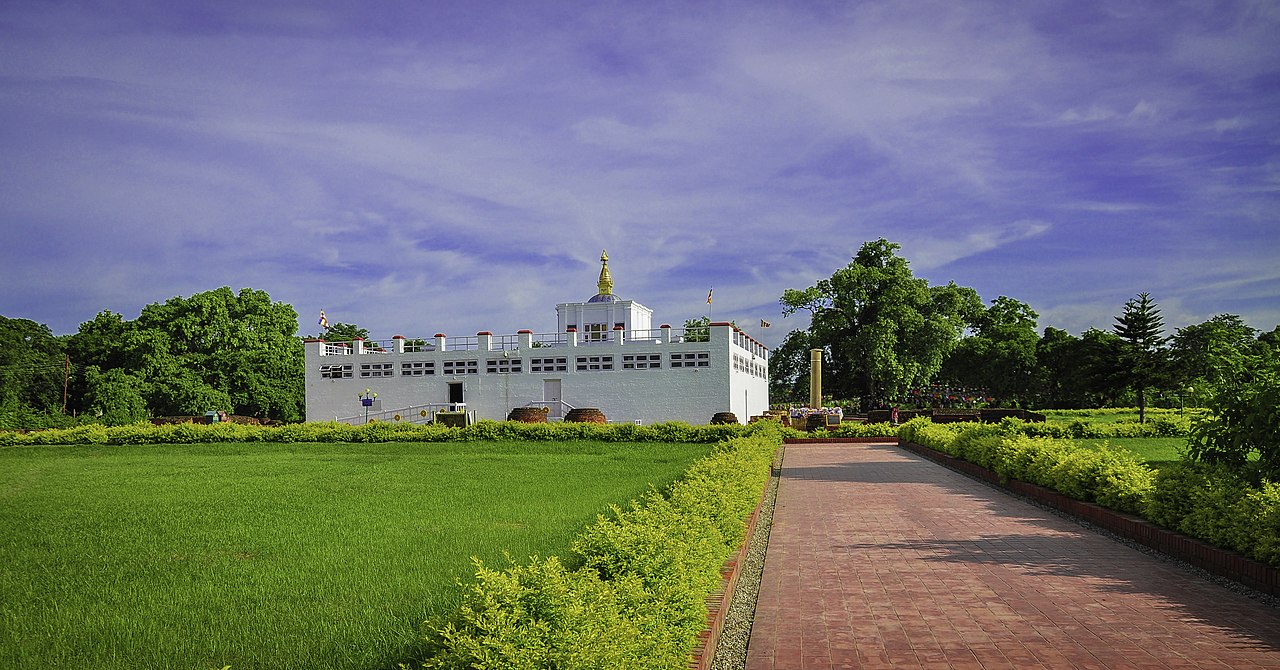


Nepal in Autumn
When the monsoon clouds lift in late September, Nepal reveals razor-sharp Himalayan horizons, golden festival lights and the finest trekking weather of the year.
A glimpse of Nepal in Autumn


Overview
If you ask any Nepali guide, mountaineer or seasoned traveller for the single best time to visit Nepal, the answer is almost always the same: autumn. Running from late September through November, autumn is the country's undisputed peak season, the weeks when the skies are cleanest, the trails are at their finest, and the calendar overflows with the year's biggest festivals. It is the season Nepal puts on its best face for the world, and the months when more visitors arrive than at any other time of year.
The reason comes down to timing. Nepal's summer monsoon dumps the bulk of its rain between June and September, washing the haze, dust and pollution out of the air. As the monsoon withdraws, usually in the last week of September or the first days of October, it leaves behind a freshly rinsed atmosphere, settled weather and an explosion of green that slowly turns to gold across the terraced hills. For a few glorious weeks the great Himalayan wall stands crisp against deep blue skies almost every morning, and the rivers run clear rather than brown.
Autumn is also when Nepal celebrates. Dashain, the longest and most important Hindu festival of the year, falls in this window, followed within a fortnight by the dazzling festival of lights, Tihar. Add reliable weather to the world's best mountain views and the most colourful cultural moment of the year, and it is easy to see why autumn is the season that defines Nepal travel.
In short: if you can choose any time of year, choose autumn. The only real trade-offs are higher prices and bigger crowds on the popular trails, plus a few days of festival closures and travel chaos during Dashain, all of which this guide will help you plan around. For the other prime window, see our companion guide to Nepal in spring.
Weather & Conditions
Autumn weather is the headline attraction. After months of monsoon, the air is washed clean, giving the clearest, most reliable mountain visibility of the entire year. Days are generally dry, sunny and stable, exactly the conditions trekkers and photographers dream of. There is a gentle progression through the season: late September and early October can still carry a little residual monsoon moisture and occasional afternoon cloud, October is the sweet spot of warm, settled, postcard-perfect days, and by November the air turns noticeably crisper and colder as winter approaches.
Temperatures by region
| Region | Daytime high | Night / early morning |
|---|---|---|
| Kathmandu & Pokhara (~800–1,400 m) | 20–27°C | 8–15°C |
| Chitwan & the Terai lowlands (~150 m) | 25–32°C | 14–20°C |
| Mid-hill trekking (~2,000–3,500 m) | 10–18°C | 0–8°C |
| High trails (~4,000–5,500 m) | 5–12°C (sunny) | −10 to −5°C |
The valleys and lowlands stay pleasantly warm by day and cool at night, while the higher you trek, the colder the nights become, high-altitude camps and passes can drop well below freezing, especially in November. Rainfall is low and brief, mostly fading altogether by mid-October. The contrast with the monsoon could not be sharper: where June to September brings cloud, leeches and obscured peaks, October and November deliver dry trails and dependable dawn views.
Rule of thumb: October is the most comfortable autumn month overall, while November rewards you with the sharpest, coldest, clearest mountain air, but pack a serious warm layer for those high-altitude nights.
Nepal in September, October & November: Month by Month
Autumn builds through three quite different months — knowing the difference helps you pick your dates.
Nepal in September
A transition month. The monsoon typically withdraws in the second half of September, so early September is still wet and green while late September delivers the first crystal skies of the season. Prices and crowds are lower than October, trails are quiet, and everything is freshly washed and vividly green. The great festival of Dashain often begins in late September or October, when domestic travel surges and offices close for days.
Nepal in October
The gold standard month for Nepal travel: dry, stable, warm by day, cool by night, with the year's most dependable mountain views. Every classic trek is in prime condition, and Dashain and Tihar usually fall in this window, filling Nepal with lights, kites and family celebration. The flip side: this is peak season — Lukla flights, teahouses and good guides sell out, so book well ahead.
Nepal in November
Colder, quieter and often even clearer. High-altitude nights drop well below freezing and the days shorten, but the air is at its sharpest — many photographers call November's visibility the best of the year. Crowds thin noticeably after mid-month, making late November a sweet spot for clear trails without peak-season congestion. Low-altitude destinations such as Chitwan and Lumbini come into their own as the Terai cools.
Where to Go in Autumn
Autumn opens up the whole country, but it is above all the prime season for trekking, the dry, stable weather and clear views make it the best window of the year to walk in the Himalaya.
The classic treks
Every major trek is at its best now. The Everest Base Camp trek is busy but glorious, with crisp views of Everest, Lhotse and Ama Dablam and dependable flights into Lukla on clear mornings. The Annapurna Circuit, crossing the dramatic Thorong La pass at 5,416 m, and the shorter Annapurna Base Camp (ABC) trek both shine in autumn, with the high passes generally open and snow-free. Shorter options such as the Poon Hill and Langtang treks are equally rewarding for those with less time. Because autumn is peak season, the popular trails and teahouses fill up fast, book guides, permits and lodges well ahead.
Beyond the trails
- Pokhara: the lakeside town is at its most beautiful, with the Annapurnas and Machhapuchhre (Fishtail) reflected in a clear Phewa Lake and reliable sunrise views from Sarangkot. Paragliding conditions are excellent.
- Chitwan & the Terai: the jungle is comfortable and the post-monsoon grass thins as the season goes on, making the one-horned rhino and other wildlife easier to spot on jeep and canoe safaris.
- The Kathmandu Valley: Kathmandu, Patan and Bhaktapur are at their liveliest, draped in festival colour during Dashain and Tihar, with clear valley-rim views from Nagarkot.
For a ready-made plan that combines the valley, jungle and lakes in this season, see our 7-day Nepal itinerary, which works beautifully in the autumn months.
Festivals: Dashain & Tihar
Autumn is festival season, the most culturally vibrant time to be in Nepal. Two great Hindu celebrations dominate the calendar, and several others colour the weeks around them. Exact dates shift each year because they follow the lunar calendar, but they reliably fall across October and November.
Dashain (the biggest festival, around October)
Dashain is the longest and most important festival in Nepal, a 15-day celebration of the goddess Durga's victory of good over evil. Families reunite from across the country and the world, elders place a red tika and yellow jamara shoots on the foreheads of younger relatives as a blessing, bamboo swings (ping) go up in villages, kites fill the sky, and homes feast together. It is a deeply joyful, family-centred time, but it also brings the year's biggest travel rush and closures (see the note below).
Tihar / Deepawali (festival of lights, around late October or November)
About a fortnight after Dashain comes Tihar (also called Deepawali or the festival of lights), a five-day celebration when homes are outlined with oil lamps, candles and fairy lights, and intricate rangoli patterns decorate doorways. Each day honours something different, crows, dogs, cows and oxen are all venerated, and it culminates in Bhai Tika, when sisters bless their brothers. The illuminated streets of Kathmandu and Pokhara at night are unforgettable.
Other autumn festivals
- Chhath (November, mainly the Madhesh / Terai): a beautiful sun-worship festival celebrated on riverbanks and ghats, especially in the southern lowlands, with devotees offering prayers to the rising and setting sun.
- Indra Jatra (September, Kathmandu): the great chariot festival of the Kathmandu Valley honouring the rain god Indra, featuring the procession of the Living Goddess Kumari and masked dances, it marks the threshold of the festival season as the monsoon ends.
Travel note, Dashain closures & rush: during the main days of Dashain, many shops, offices and some restaurants close, and an enormous wave of people travels home to their villages. Buses and domestic flights sell out, fares rise, and roads out of Kathmandu are jammed. Book all transport and accommodation well in advance, expect quieter cities (with normal tourist sites largely open), and build in buffer time around the peak Dashain days.
What to Pack
Autumn spans warm valley days and cold high-altitude nights, so the key is layering. What you pack depends heavily on whether you are trekking high or staying in the towns and lowlands.
- Layers, layers, layers. Warm sunny days and cold mornings/evenings mean a system of base layer, fleece or light down jacket, and a windproof shell works best, especially as November turns colder.
- A proper warm layer for the mountains. If you are trekking, bring a good down jacket, warm hat, gloves and a warm sleeping bag (rated to around −10°C or colder for high treks); teahouse nights at altitude are genuinely cold.
- Sun protection. The clear autumn skies mean strong high-altitude sun, sunglasses, a sunhat, lip balm and high-SPF sunscreen are essential.
- Comfortable walking shoes or broken-in trekking boots, plus good socks; trails are dry but can be dusty.
- Modest clothing for temples and festivals, shoulders and knees covered, as you will likely visit shrines or witness Dashain and Tihar celebrations.
- Light, breathable clothes for warm days in Kathmandu, Pokhara and especially the Chitwan lowlands, where afternoons stay warm.
- Reusable water bottle with a filter or purification, a headlamp, a power bank, and the usual passport, US dollars for the visa and Nepali rupees in cash.
A light rain shell is still worth carrying in late September and early October, when the tail of the monsoon can deliver the odd shower, but by November you can usually leave the heavy rain gear behind.
Pros & Cons of Autumn
Autumn is the best all-round season, but it is worth weighing the trade-offs before you book.
Pros
- The clearest mountain views of the year, reliable, crisp Himalayan panoramas almost every morning.
- Peak trekking weather, dry, stable, sunny days and generally open high passes.
- The biggest festivals, Dashain and Tihar bring unmatched colour and atmosphere.
- Comfortable temperatures in the valleys and lowlands, warm by day, cool but not bitter by night.
- Lush-to-golden scenery as the post-monsoon green ripens into harvest gold across the terraced hills.
Cons
- Crowds, this is peak season, so popular trails (Everest, Annapurna) and viewpoints are busy.
- Higher prices, flights, hotels, teahouses and guides cost more and sell out; book well ahead.
- Dashain disruption, transport rush, sold-out buses and flights, and some closures during the main festival days.
- Cold high-altitude nights, particularly in November, demand proper gear.
- Busy teahouses on the main routes can mean shared rooms or limited availability if you have not pre-booked.
For most travellers the pros decisively outweigh the cons, the crowds and prices are simply the price of admission to Nepal at its very best.
Tips for Autumn Travel
- Book everything early. Autumn is the single busiest season, so reserve international and domestic flights, trekking permits, guides, teahouses and hotels weeks or even months in advance, this is the most important piece of autumn planning.
- Plan carefully around Dashain. The main Dashain days bring a huge travel rush: buses and domestic flights sell out and fares spike as people head home. Lock in transport early, avoid travelling on the very peak days if you can, and build in buffer time before any onward connection.
- Do mountain viewpoints early. Mornings offer the clearest skies; head up Sarangkot, Nagarkot or Poon Hill for sunrise before any afternoon cloud builds, particularly in late September and early October.
- Pack for both ends of the thermometer. Warm days and cold high nights mean layering is essential; do not underestimate November cold at altitude.
- Reconfirm Lukla and other mountain flights. Even in clear autumn weather, flights to Lukla and other STOL strips can shift with morning conditions, keep a buffer day in your trek schedule.
- Embrace the festivals. If your trip overlaps Dashain or Tihar, lean in, accept a tika blessing, watch the lamp-lit streets at night, and expect a warmer, more local welcome.
- Carry cash for the festival period. During Dashain some banks and businesses close, so withdraw Nepali rupees in advance.
- Consider November for fewer crowds. Late November still has superb clear views with slightly thinner crowds than the October peak, at the cost of colder nights.
Frequently Asked Questions
Is autumn the best time to visit Nepal?
Yes. Autumn, from late September to November, is widely considered the best overall time to visit Nepal. It combines the clearest Himalayan views of the year, dry and stable weather, peak trekking conditions, and the country's two biggest festivals, Dashain and Tihar.
What months are autumn in Nepal?
Autumn in Nepal runs roughly from late September through November. The monsoon usually withdraws in late September, October offers the most settled and comfortable conditions, and November turns crisper and colder as winter approaches.
What is the weather like in Nepal in autumn?
Autumn weather is dry, sunny and stable, with the clearest mountain visibility of the year after the monsoon clears the air. Daytime temperatures in Kathmandu and Pokhara reach about 20 to 27 degrees Celsius, the Terai lowlands are warmer, and high-altitude nights drop below freezing, especially in November.
Are the mountain views good in autumn?
Yes, autumn offers the best mountain views of the entire year. With the monsoon haze washed out of the air, the Himalaya stand crisp and clear against blue skies on most mornings, making it the prime season for trekking and mountain photography.
Is autumn good for trekking in Nepal?
Autumn is the peak trekking season. Dry trails, stable weather and clear views make it ideal for the Everest Base Camp trek, the Annapurna Circuit and Annapurna Base Camp, and shorter routes such as Poon Hill and Langtang. High passes are generally open, though the popular trails and teahouses are busy.
What festivals happen in Nepal in autumn?
Autumn is festival season. The biggest is Dashain, a 15-day Hindu festival around October, followed about two weeks later by Tihar, the festival of lights, in late October or November. Chhath, a sun-worship festival, is celebrated in the Terai in November, and Indra Jatra marks the start of the season in September.
When is Dashain in Nepal?
Dashain falls in autumn, usually around October, though the exact dates change each year because they follow the lunar calendar. It is the longest and most important festival in Nepal, lasting about 15 days and centred on family reunions and the tika blessing.
How does Dashain affect travel in Nepal?
During the main days of Dashain, a huge number of people travel home to their villages, so buses and domestic flights sell out, fares rise, and roads out of Kathmandu become congested. Some shops, offices and restaurants close. Book all transport and accommodation well in advance and build in buffer time around the peak days.
When is Tihar in Nepal?
Tihar, also called Deepawali or the festival of lights, falls about two weeks after Dashain, typically in late October or November. It is a five-day celebration when homes are decorated with oil lamps and lights, ending with Bhai Tika, when sisters bless their brothers.
Is Nepal crowded in autumn?
Yes, autumn is the busiest season for tourism in Nepal. Popular trekking trails such as Everest Base Camp and the Annapurna routes, along with viewpoints and teahouses, can be crowded, and prices for flights, hotels and guides are at their highest.
Do I need to book ahead for autumn travel in Nepal?
Absolutely. Autumn is peak season, so international and domestic flights, trekking permits, guides, teahouses and hotels should be booked weeks or even months in advance. Booking early is especially important around Dashain and Tihar, when demand is highest.
What should I pack for Nepal in autumn?
Pack layers for warm days and cold nights: a base layer, fleece or down jacket, and a windproof shell. For high treks add a warm down jacket, hat, gloves and a warm sleeping bag. Bring strong sun protection, comfortable walking shoes, modest clothing for temples, and lighter clothes for the warm lowlands.
How cold does Nepal get in autumn?
In the valleys and towns, autumn nights cool to around 8 to 15 degrees Celsius. The lowlands stay warmer, while high-altitude trekking areas are cold at night, often dropping below freezing, especially in November when the season turns crisper and colder.
Is autumn or spring better for visiting Nepal?
Both are excellent prime seasons. Autumn, from late September to November, offers the clearest views, peak trekking weather and the biggest festivals. Spring, from March to April, brings warm weather and blooming rhododendrons but can grow hazier. Autumn is generally rated the best overall, with spring a close second.
Can I trek the Everest Base Camp and Annapurna routes in autumn?
Yes, autumn is the best season for both. The Everest Base Camp trek and the Annapurna Circuit and Annapurna Base Camp routes all enjoy dry, stable weather and clear views, with high passes generally open. Because it is peak season, book guides, permits and teahouses well in advance.
Reviews & Ratings
No reviews yet. Be the first to share your experience of Nepal in Autumn!
Official sources
Fees and rules on this page come from the bodies that set them. They do change, sometimes mid-season, so check the primary source before you pay anything.
- Department of Immigration Nepal visa on arrival, fees & extensionswww.immigration.gov.np

By the BriefNepal Travel Desk
Researched and maintained by our Nepal-based editorial team and reviewed for accuracy. Last updated September 3, 2026. Prices, permits and conditions change, always verify before you travel. Spotted something out of date? Let us know.
Nepal Currency Converter
Live exchange rates for the Nepalese Rupee (NPR) against every world currency, handy for budgeting the prices in our guides.
Live mid-market rates. For information only, banks and exchanges apply their own margins.
Planning a trip to Nepal?
Join the BriefNepal Travel list for seasonal tips, new guides and our free Nepal trip-planning checklist. No spam, unsubscribe anytime.
