


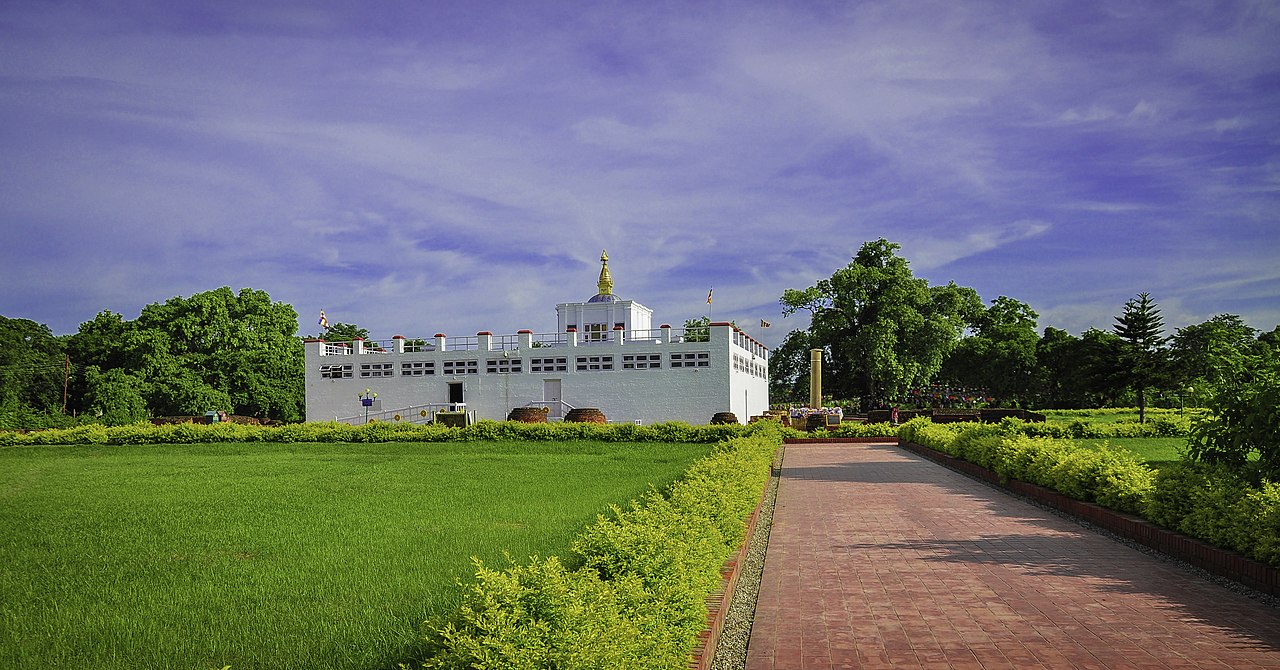


7 Days in Nepal: The Classic Itinerary
In one unforgettable week you can wander medieval temple cities, track wild rhinos through jungle grass, and watch the Annapurnas turn gold above a mountain lake.
A glimpse of 7 Days in Nepal


Overview
Seven days is the sweet spot for a first trip to Nepal. It is long enough to escape the capital and see three completely different faces of the country, yet short enough to fit into a single week of leave. This itinerary follows the classic Kathmandu + Chitwan + Pokhara loop, the route that most first-time visitors take, and for good reason. In one week you move from the temple-packed Kathmandu Valley, down to the steamy lowland jungles of Chitwan National Park, and up to the lakeside mountain resort town of Pokhara beneath the Annapurna range, before looping back to the capital.
The plan flows logically by geography. You start in Kathmandu with two days of UNESCO World Heritage sightseeing while you recover from the flight and adjust to Nepal. You then drop south to Chitwan for a jungle safari, swing west and north to Pokhara for lakes, mountains and adventure, and finally fly the short hop back to Kathmandu to connect with your departure. No backtracking, no wasted days.
When to go: the itinerary works best in autumn (October–November) and spring (March–April), when skies are clear, mountain views are reliable and the jungle is comfortable. It is perfectly doable in winter too (cooler, hazier mornings) and even in the monsoon if you accept rain and cloud. See the best time to visit section for the detail.
How it flows: Days 1–2 in the Kathmandu Valley; Day 3 transfer to Chitwan with an afternoon in a Tharu village; Day 4 a full-day jungle safari; Day 5 the long road to Pokhara and a lakeside evening; Day 6 a packed Pokhara day of sunrise, paragliding and boating; Day 7 a relaxed Pokhara morning and the flight back to Kathmandu to fly home. You can run the loop in reverse, and you can swap several long bus rides for 25–30 minute domestic flights to buy back hours, both options are covered below.
Day-by-Day Itinerary
This is the core of the trip. The pace is brisk but realistic, you will see a lot without feeling rushed off your feet every minute. Reverse-order and fly-instead-of-drive notes follow each transfer day.
Day 1: Arrive Kathmandu & Old City Heritage

Fly into Tribhuvan International Airport (KTM), complete your visa on arrival, and transfer 20–40 minutes into Thamel, the tourist hub where most hotels, agencies and restaurants cluster. After dropping bags, ease into Nepal with an afternoon in the old city. Walk through the markets of Asan and Indra Chowk to Kathmandu Durbar Square (Hanuman Dhoka), the medieval royal palace complex with its pagoda temples and the Kumari Ghar, home of the Living Goddess. As the day cools, take a short ride to Swayambhunath (the Monkey Temple) for sunset and a sweeping panorama over the whole valley from beneath the Buddha's painted eyes. Dinner in Thamel, start with momos and a plate of dal bhat.
Day 2: Kathmandu Valley: Pashupatinath, Boudhanath & Bhaktapur

A full day of the valley's spiritual and architectural highlights, ideally with a private car and guide. Begin at Pashupatinath, Nepal's holiest Hindu temple, on the banks of the Bagmati, watch the sadhus and riverside cremation ghats from the eastern terraces (non-Hindus cannot enter the main shrine). Move on to the giant Boudhanath Stupa, the heart of Tibetan Buddhism in Nepal; join pilgrims walking the clockwise kora and have lunch at a rooftop café overlooking the dome. In the afternoon drive east to Bhaktapur Durbar Square, the best-preserved of the three royal cities, a largely traffic-free medieval town famous for the five-storey Nyatapola Temple, its pottery square and creamy "juju dhau" king curd. Allow a couple of unhurried hours wandering its lanes before returning to Kathmandu for the night.
Day 3: Drive to Chitwan & a Tharu Village

After breakfast, transfer south to Chitwan National Park, basing yourself in Sauraha on the park's edge. By road it is roughly 5–6 hours (about 150 km of winding then flat highway); leave early to arrive by mid-afternoon. Most jungle lodges include this drive in their package, or you can take a tourist bus. After checking in and lunch, spend the afternoon visiting a Tharu village to meet the indigenous people of the Terai, see their mud-and-thatch homes, and learn how they have lived alongside the jungle for centuries. End the day on the banks of the Rapti River, watching the sunset and, in the evening, a traditional Tharu stick dance cultural show. The lowland air is warm and humid; you have arrived in a completely different Nepal.
Faster option: there are short domestic flights from Kathmandu to Bharatpur (about 20 minutes), the gateway to Chitwan, which can save most of the day if you prefer to spend more time in the park or are short on time.
Day 4: Chitwan National Park: Full-Day Jungle Safari
The big day. Chitwan is one of Asia's best wildlife parks and Nepal's first national park, a UNESCO World Heritage Site famous for the endangered one-horned rhinoceros, plus deer, wild boar, gharial and mugger crocodiles, more than 500 bird species, and, for the very lucky, a Bengal tiger or sloth bear. A typical full-day safari package combines several activities: a 4x4 jeep safari deep into the grasslands and sal forest where rhino sightings are common; a dugout canoe ride down the Rapti or Budhi Rapti River, drifting silently past crocodiles and water birds; and a guided jungle walk with a trained naturalist. Early morning is prime time for birds and big mammals, so start at dawn. Spend the evening relaxing at your lodge, comparing wildlife photos over dinner. (Note: elephant-back safaris are increasingly discouraged on welfare grounds, jeep and canoe are the responsible, and excellent, choices.)
Day 5: Chitwan to Pokhara & Lakeside Evening

An optional dawn bird walk or canoe trip, then a late-morning transfer west to Pokhara, about 5 hours by road (roughly 160 km) along the Prithvi Highway, following the Trishuli and Marshyangdi rivers through hill country. Arrive in the afternoon and settle into Lakeside, Pokhara's relaxed strip along Phewa Lake. The pace here is a gear slower than Kathmandu. Stroll the lakeshore promenade, browse the cafés and gear shops, and find a waterfront table for sunset with the silhouette of Machhapuchhre (Fishtail) and the Annapurnas reflected in the water on a clear evening. After two intense earlier days, this is the trip's exhale.
Faster option: a 20–25 minute domestic flight links Bharatpur (Chitwan) and Pokhara, turning a half-day drive into a short hop with mountain views, worth it if your schedule is tight.
Day 6: Sarangkot Sunrise, Paragliding & Phewa Lake

Pokhara's signature day. Rise before dawn for the short drive up to Sarangkot (about 1,600 m), the classic viewpoint where the sun lights up the entire Annapurna and Dhaulagiri massif, Machhapuchhre, Annapurna South, Annapurna I and the long white wall of peaks, turning from pink to gold. Sarangkot is also Nepal's premier paragliding launch: tandem flights soar over Phewa Lake with the mountains as a backdrop, one of the most spectacular flights in the world. Back in town, spend the afternoon out on Phewa Lake, paddling or being rowed in a colourful wooden boat to the island Tal Barahi Temple. Finish by climbing (or driving) to the World Peace Pagoda, the gleaming white stupa on the southern ridge with a postcard view back over the lake, town and mountains at golden hour. If you have energy, Davis Falls and the Gupteshwor Cave make an easy add-on.
Day 7: Pokhara Morning & Fly Back to Kathmandu
A gentle final morning. Enjoy a lakeside breakfast, pick up last souvenirs, or visit the International Mountain Museum if your flight is later. Then take the scenic 25–30 minute domestic flight back to Kathmandu (sit on the right side leaving Pokhara for mountain views) to connect with your onward international departure. If you would rather not fly, the road back to Kathmandu is 6–7 hours, so build in a buffer, most travellers fly this final leg precisely to protect the connection. Namaste, and you have seen the essential Nepal in a week.
Running it in reverse: you can just as easily do Kathmandu → Pokhara → Chitwan → Kathmandu. Flying Kathmandu–Pokhara at the start gets you to the mountains fastest; you would then drive Pokhara → Chitwan (Day 5), do the safari, and drive or fly back to Kathmandu at the end. The reverse order can be smart if you want clear mountain views early in case weather turns later in the week.
Best Time to Visit
This itinerary spans three climates, the temperate Kathmandu Valley (~1,400 m), the subtropical Chitwan lowlands (~150 m) and lakeside Pokhara (~820 m), so the "best time" balances all three.
Autumn (October–November) is the prime season: clear skies, dry trails, reliable Himalayan views from Sarangkot, and comfortable jungle weather in Chitwan. It coincides with Nepal's great festivals of Dashain and Tihar, which add colour but also crowds and higher prices, book ahead.
Spring (March–April) is the other excellent window: warm, generally clear, with blossom in the hills and active wildlife in Chitwan as the grass is cut and animals are easier to spot. Mountain views can grow hazy by afternoon, so do sunrise viewpoints early.
Winter (December–February) still works well for this loop. Days are crisp and often clear with excellent mountain visibility; Kathmandu and Pokhara nights are cold (pack a warm layer), while Chitwan is pleasantly mild by day with chilly, sometimes foggy mornings. Crowds are thinner and prices lower.
Monsoon (June–September) brings heat, humidity and afternoon downpours; mountain views are often clouded and roads can be slow or affected by landslides. The upside is lush green scenery, far fewer tourists and the cheapest rates. If you travel in monsoon, favour domestic flights over long drives and keep your plans flexible.
Transport & Logistics
Arriving in Nepal
Almost everyone flies into Tribhuvan International Airport (KTM) in Kathmandu, the country's main international gateway, with direct connections across India, the Gulf, Southeast Asia and China. Most nationalities get a visa on arrival (15, 30 or 90 days), fill in the online form beforehand, and carry US dollars for the fee plus a passport photo to speed things up. Indian citizens do not need a visa.
Internal transfers: bus vs domestic flight
The loop involves three big transfers. You can do them all by road, all by air, or mix the two, most travellers drive the scenic Chitwan and Pokhara legs and fly the final Pokhara–Kathmandu hop to protect their international connection.
- Tourist bus: comfortable, cheap (typically NPR 700–1,500 per leg) and scenic, with river and hill views, but slow on Nepal's winding highways. Best for travellers with time and a modest budget.
- Private car/jeep with driver: the most flexible and comfortable road option (around NPR 8,000–18,000 per leg), letting you stop for photos and lunch. Often bundled into safari and lakeside packages.
- Domestic flights: the time-savers. Kathmandu–Pokhara and Kathmandu–Bharatpur (Chitwan) flights take only 20–30 minutes and cost roughly NPR 5,000–8,500 one way, turning half a day of driving into a short hop, sometimes with mountain views.
Approximate road times
| Route | By road | By air |
|---|---|---|
| Kathmandu → Chitwan (Sauraha/Bharatpur) | 5–6 hours (~150 km) | ~20 min |
| Chitwan → Pokhara | ~5 hours (~160 km) | ~25 min |
| Pokhara → Kathmandu | 6–7 hours (~200 km) | 25–30 min |
Road times are estimates and can stretch with traffic, roadworks, festivals or monsoon conditions, always build in buffer time, especially before your international flight home.
Budget for 7 Days
Nepal is excellent value. The biggest variables on this loop are how you transfer between cities (bus vs domestic flight) and the standard of your Chitwan lodge, since safari activities, park fees, guide and meals are usually bundled into a package. Approximate per-person totals for the full week (2026 estimates, on the ground in Nepali rupees, excluding international flights and visa):
| Travel style | 7-day total | What it covers |
|---|---|---|
| Backpacker | NPR 20,000–38,000 | Guesthouses/budget rooms, local food, tourist buses for all transfers, a budget 2-night Chitwan package, shared tours |
| Mid-range | NPR 55,000–100,000 | Comfortable 3-star hotels, mix of local and tourist dining, private car for some legs plus one domestic flight, a mid-range safari lodge, paragliding |
| Comfort | NPR 130,000+ | Boutique/heritage hotels, private car and guide throughout, domestic flights, a premium jungle lodge, fine dining and add-on activities |
Key line items to budget separately:
- Chitwan safari package: a 2-night/3-day Sauraha package (lodging, meals, jeep safari, canoe, jungle walk, village tour and park permit) typically runs NPR 10,000–25,000 per person at the budget-to-mid level, and NPR 35,000+ at premium lodges. The Chitwan park entry permit alone is around NPR 2,000 per day for foreigners.
- Domestic flights: roughly NPR 5,000–8,500 each per leg, the Pokhara–Kathmandu flight is the one most people pay for.
- Paragliding in Pokhara: a tandem flight from Sarangkot is around NPR 8,000–11,000, with extra for video footage.
- Heritage entry fees in Kathmandu: Durbar Square ~NPR 1,000 and Bhaktapur ~NPR 1,800 for foreigners; Phewa Lake boat hire and the various Pokhara sites are modest add-ons.
Carry Nepali rupees in cash for small vendors, entry fees and tips; ATMs in Thamel and Lakeside dispense rupees with a per-transaction fee.
Where to Stay & Eat
Three nights' worth of very different bases, chaotic city, jungle lodge and laid-back lakeside, give the week real variety.
Kathmandu: Thamel (Days 1–2)
Thamel is the obvious base: trekking agencies, gear shops, money changers, bakeries and restaurants are all within walking distance, and it is easy to arrange tours and onward transport. Look for rooms set back from the noisiest lanes. Budget guesthouses run NPR 800–2,000, comfortable 3-star hotels NPR 3,500–8,000, and boutique/heritage properties NPR 10,000+. Quieter alternatives include leafy Jhamsikhel/Patan or the Tibetan-Buddhist quarter around Boudhanath. Eat your way through momos, dal bhat and Newari specialities such as choila and chatamari, with endless international options in Thamel.
Chitwan: Sauraha (Days 3–4)
Sauraha is the main tourist village on the park's eastern edge, lined with jungle lodges and resorts from rustic budget to boutique eco-lodges. Most sell all-inclusive 2-night safari packages, which is the easiest way to do Chitwan, meals (often a fixed menu of Nepali and continental food), activities and guides are sorted for you. Riverside lodges with a Rapti view are worth the small premium for sunset.
Pokhara: Lakeside (Days 5–6)
Lakeside (Baidam) along Phewa Lake is where to stay: a relaxed strip of guesthouses, mid-range hotels and a few luxury resorts, with cafés, bars with live music and lake views. Budget rooms from NPR 800, comfortable hotels NPR 3,500–7,000, lakefront resorts NPR 10,000+. The dining scene is Pokhara's best feature after the mountains, lakeside terraces serving everything from Nepali thalis and Tibetan thukpa to wood-fired pizza, fresh trout and excellent coffee.
Tips & Practical Advice
- Mind the pace. This is a full week with long transfer days. Treat the Day 5 Pokhara arrival and Day 7 morning as your rest windows, and don't over-schedule the evenings after travel days.
- If you are short on time, skip a transfer, not a place. Replacing the long Chitwan and Pokhara drives with 20–30 minute domestic flights effectively buys you a full extra day of sightseeing, the single best upgrade if your schedule is tight.
- What to drop if you only have 5–6 days. The easiest cut is Chitwan: a Kathmandu + Pokhara trip alone makes a superb shorter loop. See our 5-day Kathmandu & Pokhara itinerary for that version.
- Can you trek in 7 days? Only just, and only by sacrificing this loop. A short Poon Hill or Australian Camp trek from Pokhara (2–4 days) could replace the Chitwan leg, but you cannot reasonably do the full classic sightseeing loop and a multi-day trek in one week.
- Visa. Get your visa on arrival at KTM (or pre-fill the form online); carry US dollars and a passport photo. Keep the visa receipt for your departure.
- Packing for jungle and city. You need both. For Chitwan: neutral-coloured long sleeves and trousers, closed shoes, insect repellent, sunhat and binoculars. For the cities and Sarangkot: a warm layer for cold mornings (and winter nights), modest clothing for temples (shoulders and knees covered), and comfortable walking shoes.
- Book the safari and final flight ahead. Chitwan packages and the Pokhara–Kathmandu flight sell out in autumn peak and around festivals; locking them in protects your timing.
- Temple etiquette. Remove shoes where asked, walk clockwise around stupas, don't enter shrines closed to non-Hindus (such as the inner Pashupatinath temple), and ask before photographing people or ceremonies.
- Stay healthy. Drink bottled, filtered or treated water, eat freshly cooked hot food, and carry basic stomach medicine, useful given the change of climate between the hills and the humid Terai.
- Connectivity. Buy an NCELL or Nepal Telecom SIM with a data pack at the airport or in Thamel using your passport; coverage is good across all three stops on this route.
Frequently Asked Questions
Is 7 days enough for Nepal?
Yes, seven days is enough to enjoy the classic highlights of Nepal, two days of heritage sightseeing in the Kathmandu Valley, a jungle safari in Chitwan, and lakes, mountains and adventure in Pokhara. It is not enough to add a long Himalayan trek, but it covers the essential first-time loop comfortably.
What is the best 7-day itinerary for Nepal?
The classic seven-day itinerary is the Kathmandu, Chitwan and Pokhara loop: two days exploring Kathmandu Valley heritage sites, one day transferring to Chitwan with a Tharu village visit, a full-day jungle safari, a transfer to Pokhara, a day of Sarangkot sunrise, paragliding and Phewa Lake boating, and a final morning in Pokhara before flying back to Kathmandu.
Should I fly or drive between cities in Nepal?
Both work. Tourist buses and private cars are cheap and scenic but slow on winding highways, 5 to 7 hours per leg. Domestic flights take only 20 to 30 minutes and cost around NPR 5,000 to 8,500, saving most of a day. Many travellers drive the scenic legs and fly the final Pokhara to Kathmandu hop to protect their international connection.
How much does a 7-day trip to Nepal cost?
A seven-day Nepal trip costs roughly NPR 20,000 to 38,000 per person for backpackers, NPR 55,000 to 100,000 for mid-range travellers, and NPR 130,000 or more for comfortable travel, excluding international flights. The Chitwan safari package and any domestic flights are the biggest variable costs.
Can I trek in Nepal in 7 days?
You can fit a short trek into a week, but not alongside the full classic loop. A 2 to 4 day Poon Hill or Australian Camp trek from Pokhara could replace the Chitwan leg. For a longer trek such as Annapurna Base Camp or Everest Base Camp you need more time, typically 10 days or more.
What is the best time to visit Nepal for 7 days?
Autumn, from October to November, and spring, from March to April, are the best times, with clear skies, reliable mountain views and comfortable jungle weather. Winter is also good for this loop with crisp clear days but cold nights, while the monsoon from June to September brings rain and cloud.
Do I need a visa to visit Nepal?
Most nationalities can get a visa on arrival at Tribhuvan International Airport in Kathmandu for 15, 30 or 90 days. You can fill the application online in advance to save time, and you should carry US dollars for the fee and a passport photo. Indian citizens do not need a visa.
Is Chitwan National Park worth it in a 7-day Nepal trip?
Yes, Chitwan adds a completely different experience to the heritage and mountains of the rest of the trip. It is one of Asia's best wildlife parks, famous for the endangered one-horned rhinoceros, with jeep safaris, canoe rides and jungle walks. If you are very short on time, it is the easiest leg to cut in favour of more days in Pokhara.
What should I see in Kathmandu in 2 days?
In two days see Kathmandu Durbar Square, Swayambhunath, the old market lanes of Asan and Indra Chowk, the holy Hindu temple of Pashupatinath, the great Buddhist stupa of Boudhanath, and the medieval city of Bhaktapur. A private car and guide make it easy to cover these comfortably.
How far is Pokhara from Kathmandu and Chitwan?
Pokhara is about 200 km from Kathmandu, roughly 6 to 7 hours by road or a 25 to 30 minute flight. From Chitwan it is about 160 km, roughly 5 hours by road or a 25 minute flight. This itinerary connects all three in a single loop.
What can I do in Pokhara in one day?
A classic Pokhara day starts with sunrise over the Annapurnas from Sarangkot, then a tandem paragliding flight over Phewa Lake, an afternoon boat trip to the island Tal Barahi Temple, and sunset from the World Peace Pagoda. Davis Falls and the Gupteshwor Cave are easy add-ons.
Can I do the 7-day Nepal itinerary in reverse?
Yes. You can run it as Kathmandu, Pokhara, Chitwan, Kathmandu. Flying Kathmandu to Pokhara first gets you to the mountains fastest, which is useful if you want clear mountain views early in case the weather changes later in the week. You would then drive Pokhara to Chitwan and return to Kathmandu at the end.
Is the Chitwan jungle safari safe?
Yes, Chitwan safaris are safe when run by licensed lodges with trained naturalist guides. Jeep safaris, canoe rides and guided jungle walks follow strict safety briefings. Elephant-back rides are increasingly discouraged on animal-welfare grounds, so jeep and canoe are the recommended, and excellent, choices.
What should I pack for a 7-day Nepal trip?
Pack for both city and jungle. Bring a warm layer for cold mornings and Sarangkot sunrise, modest clothing for temples, and comfortable walking shoes. For Chitwan add neutral-coloured long sleeves and trousers, closed shoes, insect repellent, a sunhat and binoculars. Carry your passport, US dollars for the visa, and Nepali rupees in cash.
How many days do you need to see Nepal properly?
Seven days covers the classic Kathmandu, Chitwan and Pokhara loop well. With 10 to 14 days you could add a short Himalayan trek such as Poon Hill or Annapurna Base Camp. Three weeks or more allows a major trek like Everest Base Camp plus the cultural and wildlife highlights.
Reviews & Ratings
No reviews yet. Be the first to share your experience of 7 Days in Nepal!
Official sources
Fees and rules on this page come from the bodies that set them. They do change, sometimes mid-season, so check the primary source before you pay anything.
- Department of Immigration Nepal visa on arrival, fees & extensionswww.immigration.gov.np
- Dept. of National Parks & Wildlife Conservation National park & conservation area entry feesdnpwc.gov.np
By the BriefNepal Travel Desk
Researched and maintained by our Nepal-based editorial team and reviewed for accuracy. Last updated September 3, 2026. Prices, permits and conditions change, always verify before you travel. Spotted something out of date? Let us know.
Nepal Currency Converter
Live exchange rates for the Nepalese Rupee (NPR) against every world currency, handy for budgeting the prices in our guides.
Live mid-market rates. For information only, banks and exchanges apply their own margins.
Planning a trip to Nepal?
Join the BriefNepal Travel list for seasonal tips, new guides and our free Nepal trip-planning checklist. No spam, unsubscribe anytime.