


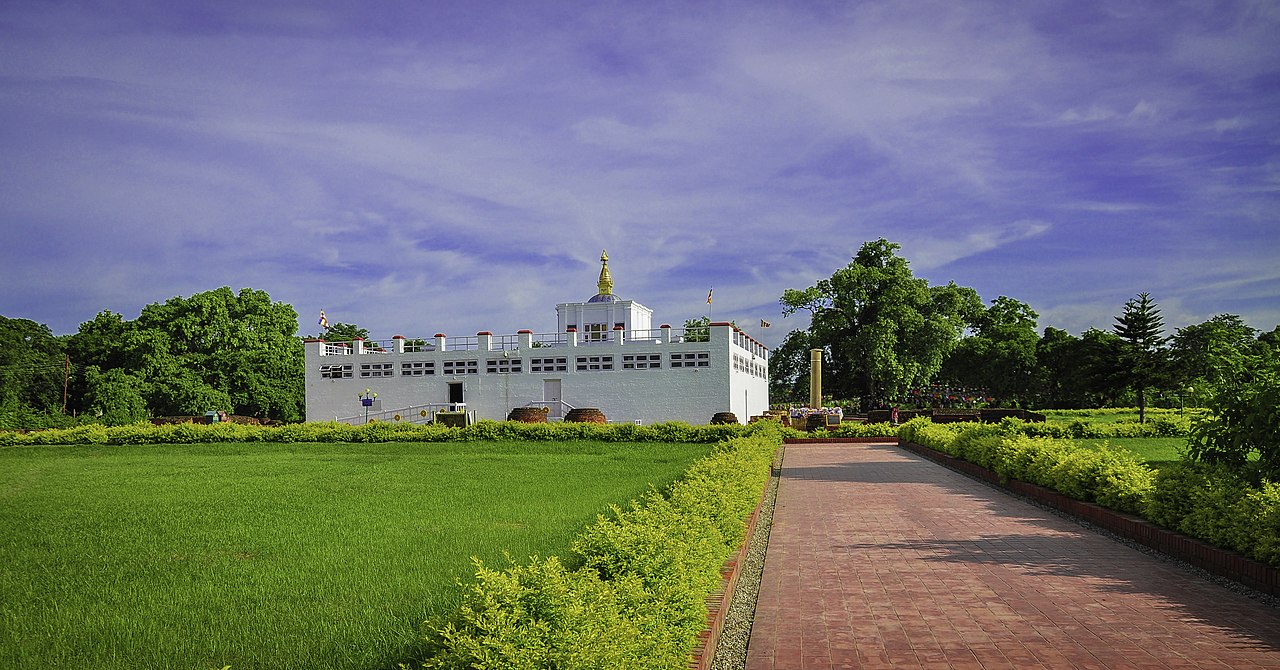


Chitwan Travel Guide
On Nepal's steamy southern plains lies a UNESCO-listed jungle where one-horned rhinos graze the riverbanks and Bengal tigers prowl the sal forest, the country's greatest wildlife adventure.
From Himalayan trails to ancient temples, hidden villages and local stories, Nepal Travel Podcast takes you deeper into the places, people and experiences that make Nepal…
▶ Listen on SpotifyShow notes & transcript →Follow the show →
🎧 Also on Apple Podcasts Castbox iHeartRadio
A glimpse of Chitwan


Introduction
Chitwan is Nepal's wildlife capital, a flat, humid pocket of the southern Terai plains that feels like another country compared with the Himalayan north. Here the air is thick and warm, the rivers are wide and slow, and the star attraction is Chitwan National Park, the country's first national park and a UNESCO World Heritage Site. For travellers who have spent days among temples and mountains, Chitwan offers a complete change of pace: drifting down a river in a dugout canoe at dawn, tracking rhino prints through tall elephant grass, and ending the day with a cold drink as the sun sets over the forest.
The hub for almost every visit is Sauraha, a friendly village of lodges and cafés on the park's northern edge along the Rapti River. From here you can arrange jeep safaris, guided jungle walks, canoe trips, birdwatching and Tharu cultural shows, all within a few minutes of your hotel. Chitwan slots naturally into the classic Nepal loop between Kathmandu and Pokhara, and it pairs especially well with the Buddhist pilgrimage town of Lumbini further west. This guide covers what to see, the kinds of safari on offer, when to go for the best wildlife viewing, how to get there, what it costs, what to eat, where to stay, and how to enjoy it all responsibly.
Top Attractions
Chitwan National Park (Jungle Safari)
Nepal's first national park and a UNESCO World Heritage Site since 1984, Chitwan protects over 950 sq km of subtropical sal forest, riverine grassland and wetland in the lowland Terai. This is the heart of any visit: explore it on a guided jeep safari deep into the forest, a guided nature walk with an armed naturalist, or from the water by canoe. Sightings can include rhinos, deer, wild boar, monkeys, gharial crocodiles and, with luck, a Bengal tiger or sloth bear. A park entry permit and a licensed guide are required for every activity.
One-horned Rhino & Bengal Tiger
Chitwan is the best place in Nepal to see the greater one-horned rhinoceros, the park is home to roughly 700 of these prehistoric-looking giants, one of the species' largest populations anywhere. They are often spotted grazing the grasslands and wallowing in pools near the Rapti and Narayani rivers. The park also shelters around 120 Royal Bengal tigers; sightings are rarer and a matter of luck, but tracks, scrapes and alarm calls bring the jungle alive on every walk.
Rapti River Canoe Ride & Gharial Crocodiles
A dawn canoe trip down the Rapti River in a traditional dugout is one of Chitwan's quietest pleasures. Drifting silently, you glide past basking gharial and mugger crocodiles, kingfishers, storks and egrets, with rhinos and deer often visible on the banks. Canoe rides usually pair with a guided forest walk on the far bank and a visit to the breeding centre, making a perfect early-morning combination.
Gharial & Elephant Breeding Centres
The Elephant Breeding Centre at Khorsor, a short walk or cycle from Sauraha, lets you see domesticated elephants and their calves and learn how the park manages them for patrols and conservation. Nearby, the Gharial Breeding Centre at Kasara raises the critically endangered fish-eating crocodile for release into the rivers. Both are easy half-day add-ons and a good rainy-season alternative.
Tharu Cultural Village & Stick Dance
The Terai is the homeland of the Tharu, the region's Indigenous people, whose mud-and-thatch longhouses, painted walls and farming life surround Sauraha. Visit a traditional village, or watch the famous Tharu stick dance (lathi naach) performed most evenings at the cultural programmes in town, dancers clash sticks in fast rhythmic patterns around a drummer, ending with audience members invited to join.
Bishazari Tal (Twenty Thousand Lakes)
A peaceful Ramsar-listed wetland of oxbow lakes and marsh on the edge of the park, Bishazari Tal, literally "twenty thousand lakes", is the area's premier birdwatching spot. A watchtower and quiet trails reward early risers with herons, storks, eagles and, in winter, migratory waterfowl. Chitwan as a whole records over 500 bird species, making it one of Asia's great birding destinations.
Sauraha (Tourist Hub)
Sauraha is the main gateway village on the park's northern edge and the base for the vast majority of visitors, a relaxed strip of lodges, riverside cafés, safari offices and souvenir shops along the Rapti. Almost every activity (jeep safaris, canoe trips, guided walks, cultural shows and the breeding centre) is booked and starts here. The riverbank is the place to gather for sunset.
Sunset Point on the Rapti River
As the heat fades, travellers and locals drift to the Rapti riverbank in Sauraha to watch the sun drop behind the forest, often with rhinos or elephants visible across the water and the silhouettes of the Churia hills beyond. Grab a riverside café table, order a cold drink, and enjoy one of the most relaxed sundowner scenes in Nepal.
History
For centuries the Chitwan valley was a dense, malarial jungle that few outsiders dared enter, ruled by the rhythms of the rivers and farmed at its edges by the Indigenous Tharu people, who over generations developed a partial resistance to malaria. Its very inaccessibility protected the wildlife, and from the late 19th century the area became an exclusive hunting reserve for Nepal's Rana rulers and visiting royalty and dignitaries, who came for big-game shoots of tiger, rhino and other animals.
Everything changed in the 1950s and 60s, when a malaria-eradication programme opened the Terai to large-scale settlement. Forests were cleared for farmland, the human population surged, and rhino and tiger numbers collapsed under poaching and habitat loss, rhinos are thought to have fallen to only a few hundred. In response, the government established the Chitwan National Park in 1973, Nepal's first, and deployed the army to guard it. The effort worked: wildlife populations recovered strongly, and in 1984 the park was inscribed as a UNESCO World Heritage Site.
Since then Chitwan has become a global conservation success story, celebrated for years of zero-poaching of rhinos thanks to community involvement and strict protection. Tourism evolved alongside it, and ethically too: the once-ubiquitous elephant-back safaris have given way to jeep, canoe and walking safaris as the standard, more humane way to experience the jungle. Today Chitwan balances thriving wildlife, Tharu cultural heritage and responsible tourism in one of South Asia's best-managed protected areas.
Things to Do
Chitwan is all about the jungle, the river and Tharu culture. Here are the experiences worth building into your stay:
- Take a jeep safari. A half- or full-day 4WD drive deep into the park is the best chance to cover ground and spot rhinos, deer, crocodiles, monkeys and birds, and just maybe a tiger or sloth bear.
- Glide the Rapti by canoe. A dawn dugout-canoe trip past basking gharial crocodiles and waterbirds is serene and atmospheric, usually combined with a guided forest walk.
- Walk the jungle on foot. A guided nature walk with a licensed, armed naturalist is the most immersive way to read tracks, identify birds and feel the forest up close.
- Visit the breeding centres. See elephants and calves at the Khorsor Elephant Breeding Centre and the rare fish-eating crocodile at the Gharial Breeding Centre near Kasara.
- Watch the Tharu stick dance. Evening cultural programmes in Sauraha showcase the energetic lathi naach and other Tharu dances, a fun, lively way to end a day.
- Go birdwatching at Bishazari Tal. The "twenty thousand lakes" wetland and its watchtower are superb for herons, storks, eagles and winter migrants.
- Cycle through Tharu villages. Rent a bicycle in Sauraha and pedal past mud-walled longhouses, mustard fields and the community forest at your own pace.
- Catch the sunset on the Rapti. Join the evening gathering on the riverbank for the day's most relaxed moment, with the forest glowing across the water.
Best Time to Visit
The best time to visit Chitwan for wildlife is the cool, dry season from October to March. Skies are clear, temperatures are comfortable, and animals gather near the rivers and waterholes, making them easier to spot. A key detail for wildlife viewing: each January, the park's tall elephant grass is cut and burned by local communities (the annual grass-cutting), which dramatically opens up sightlines, so late January through March is widely considered the prime window for spotting rhinos and tigers.
Spring (March–May) is hot but rewarding: animals concentrate at shrinking water sources and the forest is full of birdsong, though daytime temperatures can climb above 35°C. The monsoon (June–September) is hot, humid and wet; rivers swell, grass grows shoulder-high, leeches appear, some forest tracks become impassable and a few lodges scale back, but it is the greenest, cheapest and least crowded season, and canoe trips and breeding-centre visits still run.
Because Chitwan sits on the classic route between Kathmandu and Pokhara, most travellers visit during the same autumn and spring windows that suit the rest of Nepal, which conveniently coincide with the best jungle conditions.
How to Reach Chitwan
By road
Most travellers reach Chitwan by tourist bus. From Kathmandu the journey to Sauraha takes around 5–6 hours (roughly 150 km) along the Prithvi and Mugling highways; from Pokhara it is a similar 5–6 hours. Comfortable tourist buses run daily in the morning from both cities, and most drop passengers at a junction near Sauraha where local jeeps or hotel pickups complete the last few kilometres. Private cars cut the time a little and offer flexibility for stops. Roads are winding through the hills, so build in buffer time, especially in the monsoon when landslides can cause delays.
By air
For a faster option, short domestic flights connect Kathmandu with Bharatpur Airport (the nearest airport to Chitwan) in about 20–25 minutes. Bharatpur is roughly 20–30 minutes by taxi from Sauraha. Flying saves the better part of a day each way and is worth considering on a tight schedule, though it costs more and is subject to weather. There are no direct scheduled flights from Pokhara to Bharatpur, so from Pokhara the bus or a private car is the usual choice.
Getting around
Sauraha itself is small and walkable, and many travellers rent bicycles to explore the villages, lakes and breeding centre. All park activities include transport to and from their start points, and hotels arrange jeeps for the breeding centre and other outlying sights. Within the park you cannot move around independently, a licensed guide is mandatory.
Budget Guide
Chitwan can be done cheaply or in comfort. Approximate daily costs per person (2026 estimates, in Nepali rupees), excluding park activities:
| Travel style | Per day | What it covers |
|---|---|---|
| Backpacker | NPR 3,000–5,000 | Budget lodge, local food, shared transport, one shared activity |
| Mid-range | NPR 7,000–14,000 | Comfortable riverside lodge, mix of restaurants, a private jeep safari |
| Comfort / lodge | NPR 18,000+ | Upscale jungle lodge, full-board safari package with guide |
Activity prices (typical): the park entry permit is around NPR 2,000 per person per day for foreigners (less for SAARC nationals); a shared half-day jeep safari runs roughly NPR 2,500–4,000, and a full-day jeep safari NPR 4,500–6,000; a canoe ride plus guided walk is about NPR 1,000–2,000; an evening Tharu cultural show around NPR 150–300. Many lodges sell convenient all-inclusive 2-night/3-day packages that bundle accommodation, meals, a guide and several activities, often the best value if you want everything arranged. Carry cash, as smaller lodges and the ticket counter may not take cards, and there are ATMs in Sauraha.
Food & Where to Eat
The Terai has its own flavours, and Chitwan is the place to try authentic Tharu cuisine. Look for dhikri (steamed rice-flour dumplings, often served with chutney), ghonghi (river snails simmered in spices, a Tharu delicacy), gangata (freshwater crab), and plenty of fresh river fish. The everyday staple, as across Nepal, is dal bhat, rice with lentils, vegetable curry, pickle and often meat, typically with free refills and the perfect fuel after a safari. Tharu cooking tends to be hearty, with smoky pickles, mustard greens and locally caught fish.
In Sauraha, the riverside cafés and lodge restaurants serve a wide spread for travellers, Nepali sets, momos, Indian curries, plus pizza, pasta, sandwiches and good breakfasts and coffee. Several places along the Rapti are perfect for a sunset drink and dinner with a forest view. For an authentic taste, ask your lodge whether they can arrange a Tharu set meal or a meal in a village home.
Food safety: drink bottled, filtered or treated water, eat freshly cooked hot food, and be a little cautious with raw salads. The heat makes hydration important, carry water on every excursion.
Hotels & Accommodation
The overwhelming majority of visitors stay in or just around Sauraha, where lodges, restaurants and safari offices line the lanes leading to the Rapti River. It's convenient, sociable and walkable, with options for every budget. A quieter alternative is the western side of the park around Meghauli, where a few exclusive lodges sit closer to the Narayani River and prime tiger habitat.
- Budget (NPR 800–2,000): simple guesthouses and lodges in Sauraha, many with gardens, hammocks and a riverside café, clean, friendly and often family-run.
- Mid-range (NPR 3,500–9,000): comfortable resorts with pools, gardens and en-suite rooms, frequently sold as 2-night safari packages including meals and activities.
- Lodge / luxury (NPR 8,000–20,000+): upscale jungle lodges, some near Meghauli, offering full-board stays, expert naturalist guides and a more remote, immersive experience.
Book ahead for the autumn and winter peak. If you're arriving on a package, confirm exactly which activities, meals and the park permit are included so there are no surprises at checkout.
Travel Tips
- Choose ethical safaris. Skip elephant-back rides and elephant bathing; favour jeep safaris, guided walks and canoe trips, which are kinder to the animals and increasingly the norm in Chitwan.
- Wear neutral colours. Greens, browns and khaki help you blend into the forest; avoid bright colours and strong perfumes that can disturb or alert wildlife.
- Cover up and pack repellent. Long sleeves and trousers guard against sun, scratches, mosquitoes and (in the monsoon) leeches; bring strong insect repellent.
- Beat the heat. Start activities at dawn when wildlife is most active and temperatures are lowest; carry water, a hat and sunscreen.
- Listen to your guide. On walking safaris, follow instructions exactly, keep quiet, stay together, and know the drill if you encounter a rhino or sloth bear.
- Bring binoculars and a zoom lens. Sightings are often at a distance, so optics make a huge difference, especially for birds.
- Go in the dry season for sightings. October–March, and especially after the January grass-cutting, gives the clearest views of rhinos and tigers.
- Carry cash. The park ticket counter and smaller lodges may be cash-only; keep Nepali rupees on hand for permits and tips.
- Respect Tharu culture. Ask before photographing villagers and homes, and support community-run programmes and homestays where you can.
Frequently Asked Questions
How many days do you need in Chitwan?
Two nights and three days is the sweet spot for Chitwan. That gives you time for a jeep safari, a canoe ride with a guided walk, a visit to the breeding centre and an evening Tharu cultural show, plus a sunset on the river. One night feels rushed; add a third day if you want a full-day jeep safari for the best tiger and rhino chances.
What is Chitwan famous for?
Chitwan is famous for Chitwan National Park, a UNESCO World Heritage Site and the best place in Nepal to see the greater one-horned rhinoceros and, with luck, the Royal Bengal tiger. It is also known for jungle safaris, Rapti River canoe rides, gharial crocodiles, rich birdlife and the culture of the Indigenous Tharu people.
Can you see tigers in Chitwan?
Yes, Chitwan National Park is home to around 120 Royal Bengal tigers, but sightings are rare and a matter of luck because tigers are shy and well camouflaged. Your best chance is a full-day jeep safari in the dry season, especially after the January grass-cutting when sightlines open up. Even without a sighting, you will often see tracks and signs.
What is the best time to visit Chitwan National Park?
The best time to visit Chitwan is the cool dry season from October to March, when wildlife gathers near water and skies are clear. Late January to March is the prime window for spotting rhinos and tigers, because the park's tall grass is cut each January, dramatically improving visibility.
Is elephant riding still allowed in Chitwan?
Elephant-back safaris are being phased out for animal-welfare reasons, and most responsible operators no longer promote them. The recommended and increasingly standard ways to experience the jungle are jeep safaris, guided nature walks and canoe trips, which are more humane and just as rewarding.
How do I get to Chitwan from Kathmandu?
From Kathmandu, a tourist bus to Sauraha takes about 5 to 6 hours along the Prithvi and Mugling highways. For a faster option, a domestic flight to Bharatpur Airport takes about 20 to 25 minutes, then a 20 to 30 minute taxi to Sauraha. Private cars are also available and offer more flexibility.
How far is Chitwan from Pokhara?
Chitwan is about 5 to 6 hours from Pokhara by tourist bus or private car along a winding highway. There are no direct scheduled flights between Pokhara and Bharatpur, so most travellers take the bus, which makes Chitwan an easy stop between Pokhara and Kathmandu or Lumbini.
What animals can you see in Chitwan?
Chitwan is home to the greater one-horned rhinoceros, Royal Bengal tiger, sloth bear, leopard, wild elephant, spotted and sambar deer, wild boar, monkeys, gharial and mugger crocodiles, and freshwater Gangetic dolphins in some rivers. It also records over 500 bird species, making it one of Asia's top birdwatching destinations.
How much does a Chitwan safari cost?
A shared half-day jeep safari typically costs about NPR 2,500 to 4,000, and a full-day jeep safari around NPR 4,500 to 6,000. A canoe ride with a guided walk is roughly NPR 1,000 to 2,000. The park entry permit, around NPR 2,000 per day for foreigners, is usually extra. Many lodges sell all-inclusive 2-night packages that bundle these activities for better value.
Where should I stay in Chitwan?
Most visitors stay in Sauraha, the main tourist village on the park's northern edge, where lodges, restaurants and safari offices are all walkable and close to the Rapti River. For a quieter, more exclusive experience, a few upscale lodges sit near Meghauli on the western side of the park.
What is the Tharu stick dance?
The Tharu stick dance, or lathi naach, is a traditional dance of the Indigenous Tharu people of the Terai. Dancers clash wooden sticks in fast, rhythmic patterns around a drummer. It is performed most evenings at the cultural programmes in Sauraha, and audience members are often invited to join in at the end.
Is Chitwan safe for tourists?
Yes, Chitwan and Sauraha are generally very safe for tourists, including solo and female travellers. The main risks are wildlife-related, so always follow your guide on walks, keep your distance from rhinos and elephants, and stay with the group. Take normal precautions for heat, sun, mosquitoes and stomach upsets.
Do you need a permit for Chitwan National Park?
Yes, every visitor needs a park entry permit, which costs around NPR 2,000 per day for foreign nationals and less for SAARC nationals. A licensed guide is also mandatory for all activities inside the park. Lodges and safari operators can arrange both, and packages often include the permit.
What should I eat in Chitwan?
Try Tharu specialities such as dhikri (rice-flour dumplings), ghonghi (river snails) and fresh river fish, alongside the national staple dal bhat. Riverside cafés and lodge restaurants in Sauraha also serve momos, curries, pizza and good breakfasts. Ask your lodge if they can arrange an authentic Tharu set meal.
Can you visit Chitwan during the monsoon?
Yes, but expect hot, humid and wet conditions from June to September. Rivers swell, grass grows tall, leeches appear and some forest tracks may be impassable, so jeep safaris can be limited. It is the greenest, cheapest and least crowded season, and canoe rides and breeding-centre visits still run, but wildlife is harder to spot.
Can I combine Chitwan with Pokhara and Lumbini?
Yes. Chitwan sits on the main route between Kathmandu and Pokhara and is close to Lumbini, the birthplace of the Buddha, so it combines easily with both. Many travellers fit it into a wider Nepal loop. See our 7-day Nepal itinerary to plan a trip that links Kathmandu, Chitwan and Pokhara.
Reviews & Ratings
No reviews yet. Be the first to share your experience of Chitwan!
Official sources
Fees and rules on this page come from the bodies that set them. They do change, sometimes mid-season, so check the primary source before you pay anything.
- Dept. of National Parks & Wildlife Conservation National park & conservation area entry feesdnpwc.gov.np

By the BriefNepal Travel Desk
Researched and maintained by our Nepal-based editorial team and reviewed for accuracy. Last updated September 3, 2026. Prices, permits and conditions change, always verify before you travel. Spotted something out of date? Let us know.
Nepal Currency Converter
Live exchange rates for the Nepalese Rupee (NPR) against every world currency, handy for budgeting the prices in our guides.
Live mid-market rates. For information only, banks and exchanges apply their own margins.
Planning a trip to Nepal?
Join the BriefNepal Travel list for seasonal tips, new guides and our free Nepal trip-planning checklist. No spam, unsubscribe anytime.