




Api Himal Base Camp Trek Guide
The Api Himal Base Camp trek is one of Nepal's most remote and untouched journeys, leading deep into the far-western Darchula region to a high meadow beneath Api (7,132 m), the highest mountain in far-western Nepal.
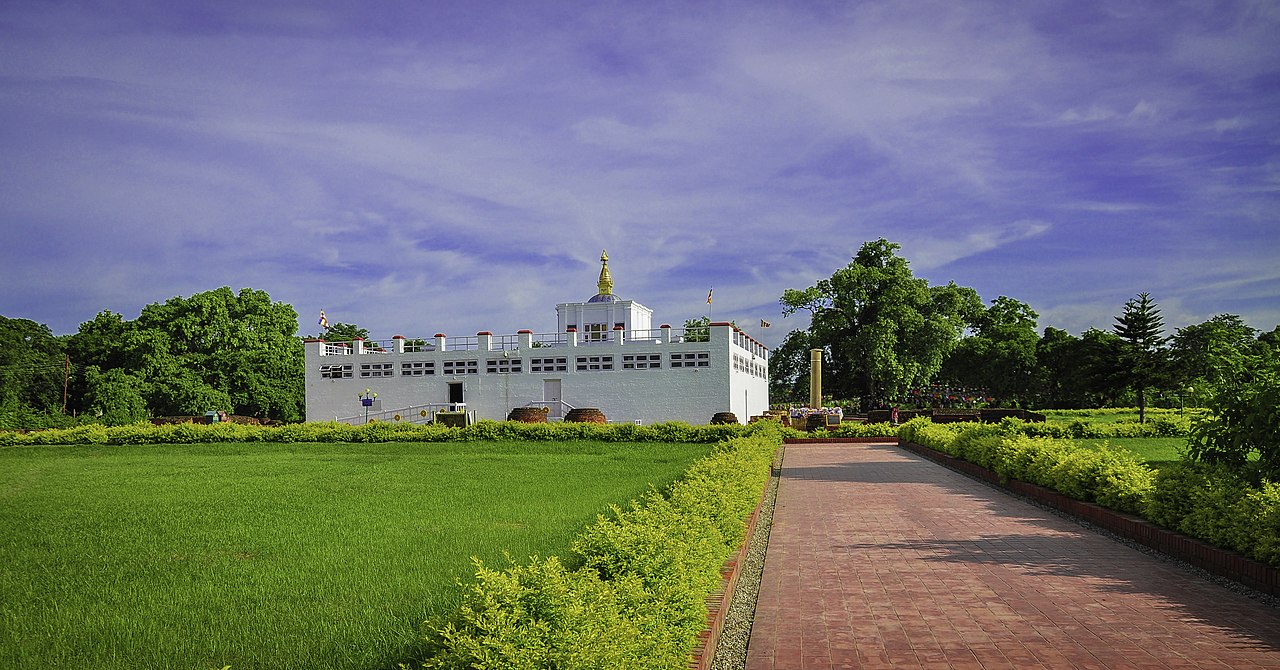
A glimpse of Api Himal Base Camp


Overview
The Api Himal Base Camp (Api Base Camp) trek is the great undiscovered corner of Nepal trekking, a genuinely off-the-map journey into the far west, a region that sees only a handful of foreign trekkers each year. Its goal is the base of Api (7,132 m), the highest and most striking peak in far-western Nepal, a sharp snow pyramid that towers over the remote Darchula district near the borders with India and Tibet.
The route lies within the Api Nampa Conservation Area (ANCA), established in 2010 to protect this little-known stretch of the Himalaya, a landscape of deep river gorges, terraced hill villages, dense rhododendron and oak forest, and high alpine pasture, home to snow leopard, musk deer, Himalayan black bear and red panda. You follow the Seti (Chamliya) River valley upstream from the lowland trailhead, climbing through traditional far-western villages where the culture, dialects and dress feel distinct from the rest of Nepal, before breaking out into the open meadows of Api Base Camp at around 3,900 m, ringed by Api, Nampa and the surrounding snow peaks. A short side trip leads to Kali Dhunga, a sacred black rock and viewpoint revered by local pilgrims.
Most people complete the trek in 14 to 18 days, the bulk of which is the long approach: the far west is one of the hardest parts of Nepal to reach, with a flight or long drive to Dhangadhi and then a punishing road journey up to Darchula before the walking even begins. The trek itself is graded moderate to strenuous: there is no technical climbing, but the trails are rough and steep, facilities are extremely basic, and you should be self-sufficient.
What you get in return is solitude almost impossible to find elsewhere in Nepal, an authentic glimpse of far-western hill life, and the thrill of standing beneath a 7,000 m giant that most trekkers have never heard of. Like Makalu Base Camp, Api is a trek for those who have already walked the popular trails and want true wilderness and adventure.
Day-by-Day Itinerary
This is a representative Api Base Camp itinerary. Because the far west is so remote, the exact road sections and trailheads shift with the steadily extending road network, so treat the early days as a guide rather than a fixed plan, and build in contingency days for weather and transport.
Day 1: Fly or drive Kathmandu to Dhangadhi
Fly west to Dhangadhi in the Terai (or take the long overnight bus). This is the gateway to the far west and the start of the overland journey north.
Day 2: Drive Dhangadhi to Gokuleshwar / Darchula
A very long, rough mountain drive (8-12 hours) up into the hills toward Darchula and the roadhead near Gokuleshwar or Latinath. Expect a tiring full day on winding, sometimes rough roads.
Day 3: Drive to the trailhead, trek to Makarighat / Seti valley
Reach the current roadhead and begin walking along the Seti (Chamliya) River, following the valley upstream through riverside farmland and forest to the first village stop. (3-5 hours walking.)
Day 4: Trek to Seri / Ghusa (around 2,200 m)
Continue up the valley, crossing suspension bridges and climbing through forest and scattered hamlets to the village of Ghusa, one of the last permanent settlements on the route. (5-6 hours.)
Day 5: Ghusa to Dhaulodhar / Khandeshwari (around 3,000 m)
A steeper forested climb gains real altitude as the trail leaves the farmland behind for rhododendron and pine, reaching the high herders' clearing used as a staging camp below base camp. (5-6 hours.)
Day 6: Trek to Api Base Camp (around 3,900 m)
Climb out of the trees into open alpine meadow and moraine to reach Api Base Camp, set beneath the snow walls of Api and Nampa. The final approach is a rewarding walk into a true high-mountain amphitheatre. (4-6 hours.)
Day 7: Exploration day: Kali Dhunga & viewpoints
A day to acclimatise and explore. Walk up to the sacred Kali Dhunga black rock and the higher viewpoints for head-on views of Api, Nampa and the surrounding peaks, and to soak in the silence of one of Nepal's emptiest mountain bowls.
Days 8-11: Return: Base Camp to the roadhead
Retrace the route back down the Seti valley through Ghusa and the lower villages to the roadhead. The downhill return is quicker, typically taking three to four trekking days.
Days 12-14: Drive to Dhangadhi, fly to Kathmandu
Drive back down to Dhangadhi and fly (or drive) to Kathmandu. Keep a contingency day or two, as far-western roads and flights are easily disrupted by weather.
Difficulty & Fitness
The Api Himal Base Camp trek is graded moderate to strenuous. The walking is non-technical and the maximum altitude (around 3,900 m at base camp) is lower than on the big eastern treks, but several factors make it genuinely challenging.
- Extreme remoteness. This is among the most isolated trekking regions in Nepal. There are very few lodges, limited supplies, no easy bailout once you are walking, and almost no phone signal. Self-sufficiency is essential.
- The long approach. Simply reaching the far west is hard, a flight to Dhangadhi plus a long, rough road journey to Darchula before any walking. Much of the trek's length is travel.
- Rough, steep trails. The route climbs and drops steeply along the Seti gorge and through forest, on trails that are far less developed than the popular routes.
- Very basic facilities. Expect simple homestays, seasonal teahouses or camping, with limited and simple food. Many groups travel with a cook and camping support.
You should be comfortable walking 5-7 hours a day on rough trails and be prepared for spartan conditions and long travel days. Previous multi-day trekking experience is strongly recommended, though the moderate altitude makes Api less risky on that front than higher treks. Train with hill walks and loaded day-pack hikes beforehand.
Permits & Regulations
The Api Base Camp trek is not in a restricted area, so you do not need a special restricted-area permit. You do need:
- Api Nampa Conservation Area (ANCA) permit, around NPR 3,000 for foreign nationals (less for SAARC nationals). Issued by the Nepal Tourism Board in Kathmandu, or arranged through your trekking agency.
- TIMS card (Trekkers' Information Management System), around NPR 2,000, arranged through a registered trekking agency.
Since 2023, Nepal has required trekkers on most conservation-area and national-park routes, including Api Nampa, to trek with a licensed guide rather than fully independently. Given the route's remoteness, the logistics of food and camping, and the very limited local infrastructure, essentially everyone trekking Api does so through an agency. Carry your passport and several passport photos, keep permits handy for checkpoints, and confirm the current rules with a registered agency or the Nepal Tourism Board before you travel, as far-western regulations and access can change.
Cost & Budget
Api is relatively expensive for the number of trekking days, mostly because of the long, costly travel to and from the far west and the need for camping or full agency support in a region with little infrastructure.
- Guided package: typically NPR 200,000-370,000 per person depending on group size, how much is camping versus homestay, and whether you fly or drive to Dhangadhi. This usually covers the guide, porters or pack support, permits, transport, accommodation and meals.
- Travel to the far west: Kathmandu-Dhangadhi flights plus the long jeep transfer to Darchula are a major part of the budget. Driving the whole way is cheaper but adds days.
- Permits: Api Nampa Conservation Area entry (around NPR 3,000) plus TIMS (around NPR 2,000).
- On-trail spending: carry enough Nepali rupees in cash for the whole trek, there are no ATMs once you leave the larger towns, and few places to spend money on the trail anyway.
Costs rise with the small group sizes common on this route, since fixed expenses are shared among fewer people. Budget a contingency for delayed flights and rough-road delays, and tip guides and porters generously for working such a remote region.
Best Time to Trek
There are two trekking seasons for Api, with spring being especially rewarding here thanks to the far west's famous rhododendron forests.
- Spring (March-June) is arguably the prime season: warming days, stable weather as the season progresses, and spectacular rhododendron and wildflower blooms on the lower and middle trail. Snow lingers higher up early in the season.
- Autumn (September-November) brings clear, stable post-monsoon skies, the sharpest mountain views and firm trails, a reliable window across all of Nepal.
Avoid the monsoon (late June-August): the far-western trails turn slippery and leech-ridden, rivers swell, and the rough access roads are prone to landslides. Winter (December-February) brings heavy snow and bitter cold to the higher sections, closing the route for most trekkers. For the best balance of weather, blooms and access, plan for spring or autumn.
Packing, Safety & Tips
Acclimatisation
Api Base Camp sits around 3,900 m, lower than the big eastern base camps, so altitude sickness is less of a threat, but it is still real. Keep the exploration day at base camp, ascend steadily, stay hydrated, and watch for headache, nausea and dizziness. If symptoms worsen, descend, and bear in mind that evacuation from this remote region is slow and difficult.
Gear & packing
Pack for a cold, self-sufficient mountain trek: a warm sleeping bag, a good down jacket, layered clothing, sturdy broken-in boots, trekking poles, sun and rain protection, and a headlamp. Because facilities are minimal, bring a reliable water-purification method, snacks, and a first-aid kit including blister care and any altitude medication discussed with your doctor. For the lower forest in spring, pack leech protection and waterproofs.
Communications & money
Phone and data coverage is patchy to non-existent for most of the trek; many groups carry a satellite phone for emergencies. There are no ATMs on the route, so carry enough cash for the entire trip plus a buffer for transport and flight delays.
Safety & insurance
Buy comprehensive travel insurance that covers high-altitude trekking and includes helicopter evacuation, rescue from the far west is difficult and expensive without it. Trek with a licensed guide who knows the region, keep contingency days for the unpredictable roads and weather, and treat the long road journeys as part of the adventure rather than a formality.
Why trek Api
Api is for trekkers chasing solitude and originality rather than facilities or fame. If you have already done Everest Base Camp or Annapurna Base Camp and want a region with almost no other foreigners, far-western culture and a genuine sense of exploration, Api delivers, in the same spirit as the remote Makalu Base Camp trek in the east. Base yourself in Kathmandu to organise permits, flights and a far-west specialist agency before you set out.
Altitude Sickness (AMS) & Trek Safety
The Api Himal Base Camp trek reaches 4,250 m, high enough that acute mountain sickness (AMS) is a genuine risk for most trekkers, so acclimatise deliberately. This section covers how to recognise altitude sickness, prevent it, prepare physically, and stay insured, it is general guidance, not medical advice.
Recognise the symptoms
| Level | Signs | What to do |
|---|---|---|
| Mild AMS | Headache, nausea or loss of appetite, dizziness, fatigue, broken sleep. | Stop ascending, rest, hydrate. Do not go higher until symptoms clear; descend if they do not. |
| Severe, HAPE (lungs) | Breathlessness at rest, persistent cough, frothy or pink spit, chest tightness, blue lips. | Descend immediately and treat as a medical emergency, arrange evacuation. |
| Severe, HACE (brain) | Confusion, clumsiness or loss of balance, crushing headache, drowsiness, hallucinations. | Descend immediately, HACE is life-threatening within hours. Evacuate. |
Prevent it: the golden rules
- Ascend slowly. Above 3,000 m, raise your sleeping altitude by no more than ~300–500 m per day and take the built-in acclimatisation days.
- Climb high, sleep low. Day-hike higher, then come back down to sleep.
- Hydrate (3–4 litres/day), eat well, and avoid alcohol, sleeping pills and smoking at altitude.
- Never ascend with AMS symptoms, and descend at once if they worsen, going down is the only reliable cure.
- Consider acetazolamide (Diamox) as a preventive/treatment aid, but only after discussing it with your doctor.
Get trek-fit
Start training 6–8 weeks out: build aerobic base with running, cycling or brisk hill walking 3–4 times a week; add stair and hill repeats carrying a loaded daypack (6–8 kg) to ready your legs for long descents; and finish with a couple of back-to-back long hiking days to rehearse multi-day fatigue. Strong quads and good cardio make altitude far more manageable.
Insurance & evacuation
Buy travel insurance that explicitly covers trekking up to 4,250 m and helicopter evacuation, a rescue from altitude is essential and very expensive without cover. Carry your policy number and your operator’s emergency contact, and keep the booking details of any guide with you.
Frequently Asked Questions
How many days does the Api Himal Base Camp trek take?
The Api Himal Base Camp trek usually takes 14 to 18 days, most of which is the long travel to and from far-western Nepal. The walking portion to base camp and back is typically around 8 to 11 days, plus the flights and rough road journeys to Darchula.
How hard is the Api Himal Base Camp trek?
It is graded moderate to strenuous. The walking is non-technical and the altitude is moderate, but extreme remoteness, rough steep trails, very basic facilities and long road journeys make it a serious undertaking best suited to trekkers with some multi-day experience.
How high is Api Base Camp?
Api Base Camp sits at roughly 3,900 metres in the alpine meadows beneath Api (7,132 m), the highest peak in far-western Nepal. Exact figures vary slightly by source and route, and a side trip to the Kali Dhunga viewpoint stays at a similar altitude.
What permits do I need for the Api Himal Base Camp trek?
You need an Api Nampa Conservation Area (ANCA) permit, around NPR 3,000 for foreigners, and a TIMS card, around NPR 2,000. It is not a restricted area, so no special restricted-area permit is required, but since 2023 you must trek with a licensed guide.
How much does the Api Himal Base Camp trek cost?
A guided package typically costs around NPR 200,000-370,000 per person, driven up by the costly travel to the far west and the need for camping or full agency support. Carry extra cash, as there are no ATMs on the trail.
What is the best time to trek to Api Base Camp?
The best times are spring (March-June), famous for rhododendron blooms in the far-western forests, and autumn (September-November) for clear, stable skies and the sharpest views. Avoid the monsoon for landslides and leeches, and winter, when heavy snow closes the higher sections.
Where is the Api Himal Base Camp trek located?
It is in the Darchula district of Sudurpaschim (far-western) Province, within the Api Nampa Conservation Area, near Nepal's borders with India and Tibet. It is one of the most remote and least-visited trekking regions in the country.
How do I get to the start of the Api Himal Base Camp trek?
You fly or take a long bus to Dhangadhi in the far-western Terai, then drive 8-12 hours up rough mountain roads to the Darchula area and the trailhead near the Seti (Chamliya) valley. The remote access is one of the trek's biggest challenges.
Do I need a guide for the Api Himal Base Camp trek?
Yes. Since 2023 Nepal has required trekkers in conservation and national-park areas, including Api Nampa, to use a licensed guide. The route is remote enough that almost everyone treks with an agency for guiding, porters and camping logistics. Confirm current rules before you travel.
Is altitude sickness a risk on the Api Himal Base Camp trek?
It is less of a risk than on higher treks, since base camp is around 3,900 m, but still possible. Ascend steadily, keep the exploration day, stay hydrated, and descend if symptoms worsen, remembering that evacuation from this remote region is slow.
Are there teahouses on the Api Himal Base Camp trek?
Facilities are very basic and sparse, with simple homestays or seasonal teahouses in the lower villages and camping required higher up. Many groups travel with a cook and camping support. Bring a warm sleeping bag and carry cash, as supplies and services are extremely limited.
What will I see at Api Base Camp?
Base camp offers head-on views of Api (7,132 m) and Nampa and the surrounding snow peaks, set in open alpine meadows. A short walk leads to the sacred Kali Dhunga black rock and viewpoints, and the whole region is strikingly empty and pristine.
How does Api Base Camp compare to Everest or Annapurna Base Camp?
Api is far more remote and less developed, with almost no other foreign trekkers, basic facilities and a long, hard approach, but a lower maximum altitude. Everest and Annapurna are busier, well-served by lodges and easier to reach. Api suits those seeking solitude and adventure over comfort.
Is the Api Himal Base Camp trek suitable for beginners?
It is not ideal as a first trek. While the altitude is moderate, the remoteness, rough trails, basic facilities and long travel make it best for trekkers who have already completed a multi-day Himalayan trek and are comfortable with spartan, self-sufficient conditions.
What wildlife lives in the Api Nampa Conservation Area?
The Api Nampa Conservation Area protects a wide range of habitats and is home to snow leopard, musk deer, Himalayan black bear, red panda and Himalayan tahr, along with rich birdlife and extensive rhododendron and oak forests.
Compare with Other Nepal Treks
How Api Himal Base Camp stacks up against other popular Nepal treks, at a glance, to help you choose and plan.
| Trek | Difficulty | Max Altitude | Duration | Best Season | Region |
|---|---|---|---|---|---|
| Api Himal Base CampThis trek | 🔴 Strenuous | 4,250 m | 14–18 days | Mar–Jun & Sep–Nov | Darchula, Sudurpaschim |
| Makalu Base Camp | 🔴 Strenuous | 4,870 m | 18–22 days | Mar–May & Sep–Nov | Makalu-Barun, Koshi |
| Everest Base Camp | 🟠 Challenging | 5,545 m | 12–14 days | Mar–May & Sep–Nov | Khumbu, Solukhumbu |
Why these grades?
Api Himal Base Camp 🔴 Strenuous, An off-the-map far-western trek with almost no tourist infrastructure, long approach days and high, exposed terrain, its difficulty is as much about remoteness and self-sufficiency as raw altitude.
Makalu Base Camp 🔴 Strenuous, Remote and rugged: it reaches 4,870 m via two high passes (Shipton La and Keke La), with long days, sparse basic teahouses and several nights above 4,000 m, best after a previous Himalayan trek.
Everest Base Camp 🟠 Challenging, Reaches 5,364 m at base camp and 5,545 m on Kala Patthar over 12+ days at altitude, with the dramatic Lukla flight, but a busy, well-marked trail and excellent teahouses keep it within reach of fit first-timers.
Reviews & Ratings
No reviews yet. Be the first to share your experience of Api Himal Base Camp!
Official sources
Fees and rules on this page come from the bodies that set them. They do change, sometimes mid-season, so check the primary source before you pay anything.
- Trekking Agencies' Association of Nepal TIMS card rules & feeswww.taan.org.np
- Dept. of National Parks & Wildlife Conservation National park & conservation area entry feesdnpwc.gov.np

By the BriefNepal Travel Desk
Researched and maintained by our Nepal-based editorial team and reviewed for accuracy. Last updated September 3, 2026. Prices, permits and conditions change, always verify before you travel. Spotted something out of date? Let us know.
Nepal Trip Planning Tools
Estimate your costs and trekking permits in seconds, built on real, current Nepali prices.
💰 Trip Cost Calculator
🎫 Trek Permit Calculator
Estimates only, fees and prices change with season and policy. Confirm with a registered agency and the Nepal Tourism Board before you travel.
Nepal Currency Converter
Live exchange rates for the Nepalese Rupee (NPR) against every world currency, handy for budgeting the prices in our guides.
Live mid-market rates. For information only, banks and exchanges apply their own margins.
Planning a trip to Nepal?
Join the BriefNepal Travel list for seasonal tips, new guides and our free Nepal trip-planning checklist. No spam, unsubscribe anytime.