


Janaki Mandir & Janakpur Guide
In the heart of the ancient Mithila plains, Janakpur is the legendary birthplace of Sita and home to the dazzling white-marble Janaki Mandir, a pilgrimage city that still lives and breathes the Ramayana.
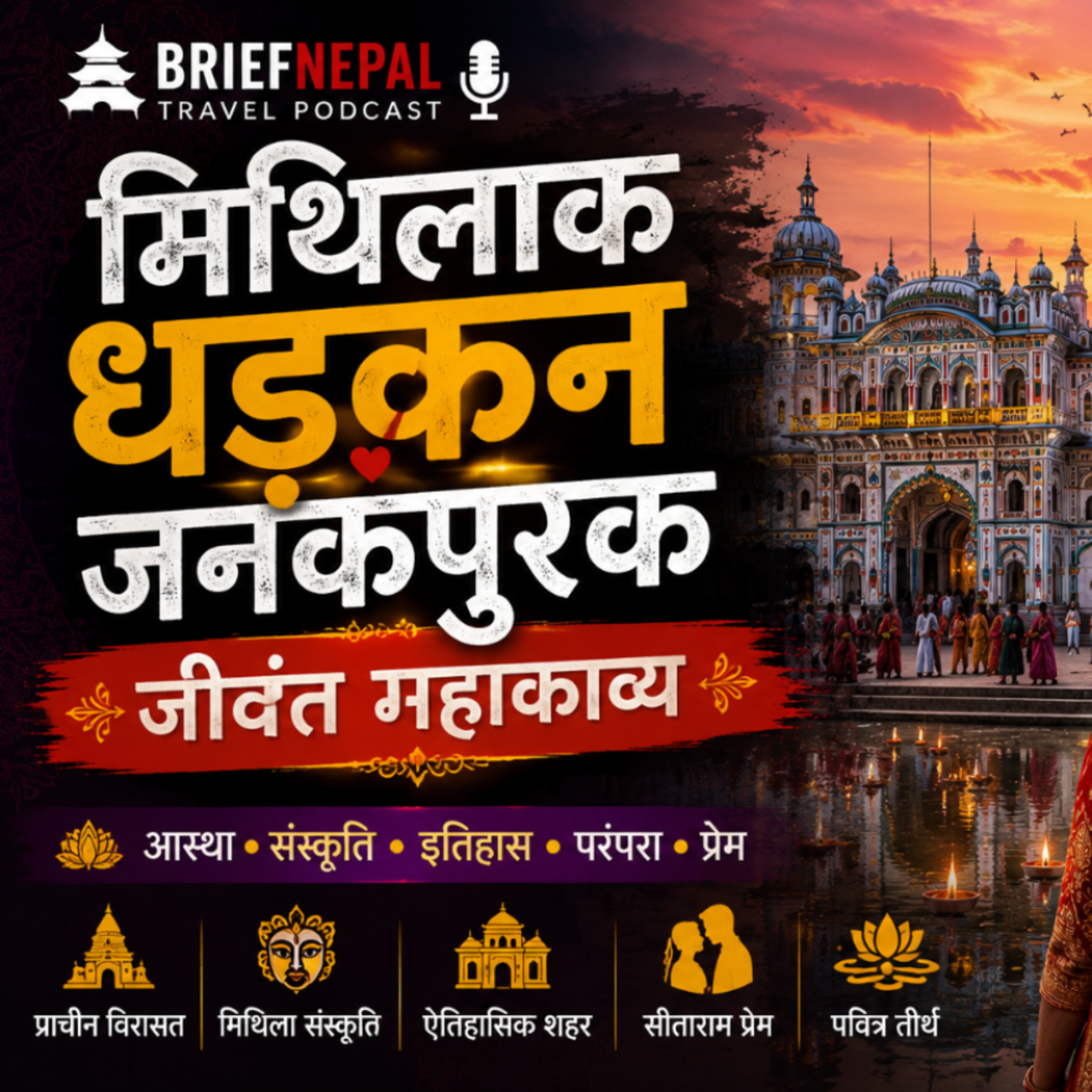
Step into the spiritual heart of Mithila as we explore Janaki Mandir, the magnificent temple in Janakpur, Nepal, dedicated to Goddess Sita (Janaki). Revered as her birthp…
▶ Listen on SpotifyShow notes & transcript →Follow the show →
🎧 Also on Apple Podcasts Castbox iHeartRadio
A glimpse of Janaki Mandir


Introduction
Janakpur, formally Janakpurdham, is one of the holiest cities in Nepal and the spiritual heart of the Mithila region, lying on the flat, fertile Terai plains of the southeast near the Indian border. For Hindus across the subcontinent it is sacred ground: the legendary birthplace of Sita (also called Janaki), the heroine of the Ramayana, and the place where she married Lord Ram. At the centre of it all rises the Janaki Mandir, a vast confection of white marble that is among the most beautiful and important temples in the country, drawing pilgrims, artists and travellers in their hundreds of thousands every year.
Unlike the mountain temples and Buddhist stupas that dominate most travellers' images of Nepal, Janakpur belongs to a different, gentler landscape, a flat, sun-drenched plain of paddy fields, mango groves and sacred ponds, where the culture, language and food are distinctly Maithili rather than Himalayan. This is a city where the Ramayana is not ancient history but living tradition: the divine wedding of Ram and Sita is re-enacted every year, women still paint their walls in the centuries-old Mithila style, and the air around the temples hums with bells, chanting and the colour of festival processions. This guide covers everything you need to plan a pilgrimage or cultural visit, the temple and surrounding sites, the deep Ramayana history, the best time to come, how to reach the city, what things cost, where to eat the region's famous sweets and where to stay. If you are building a wider spiritual journey through Nepal, Janakpur pairs naturally with a visit to Lumbini, the birthplace of the Buddha, on the same Terai belt.
Top Attractions
Janaki Mandir (Naulakha Mandir)
The grand white-marble temple at the heart of Janakpur and the reason most pilgrims come. Completed in 1910 and dedicated to Goddess Sita (Janaki), it is one of the largest temples in Nepal, built in a striking blend of Mughal-influenced Nepali Hindu and Rajput Koiri architecture with domes, arched verandahs and intricate latticework. It was commissioned by Queen Vrisha Bhanu of Tikamgarh, and is popularly called the "Naulakha Mandir" after the nine lakh (900,000) rupees it is said to have cost. The temple is believed to stand on the very spot where a golden image of Sita was discovered.
Ram-Sita Vivah Mandap
Right beside the Janaki Mandir stands the ornate Vivah Mandap, a domed pavilion that marks the legendary site where Lord Ram married Sita. Decorated with statues depicting the wedding party and the four marriages of Ram and his brothers, it is the focal point of the city's biggest festival, Vivaha Panchami, when the divine wedding is re-enacted with great pageantry.
Ram Mandir
The oldest temple in Janakpur, built in the traditional Nepali pagoda style in the 18th century by Amar Singh Thapa. Dedicated to Lord Ram, it sits beside the Dhanush Sagar pond and is especially lively during Ram Navami, the celebration of Ram's birth. Its weathered tiered roof and quieter courtyard offer a contrast to the marble grandeur of the Janaki Mandir nearby.
Dhanush Sagar & Ganga Sagar
Two of the most sacred ponds in Janakpur, ringed by ghats and small shrines. Pilgrims take ritual baths here, light lamps and perform puja, especially during Chhath and other festivals. Janakpur is dotted with dozens of such sacred ponds (sagars and kunds), and Dhanush Sagar and Ganga Sagar, close to the Janaki Mandir, are the holiest and most atmospheric, particularly at dawn and dusk.
Mithila / Madhubani Art
Janakpur is the cultural capital of Mithila and the home of Mithila (Madhubani) painting, vivid folk art traditionally created by women on the walls and floors of their homes, depicting gods, weddings, peacocks, fish and lotus motifs. Visit the Janakpur Women's Development Center (Janakpur Art Center) at Kuwa to watch artists at work and buy authentic paintings, papier-mâché and ceramics that directly support local women.
Jaleshwar Mahadev
About 20 km south of Janakpur near the Indian border, Jaleshwar (which gives its name to the district headquarters of Mahottari) is an ancient and revered Shiva temple. The lingam here is partly submerged in water year-round, giving the deity its name, "Lord of Water." It draws large crowds during Maha Shivaratri and is an easy add-on for pilgrims exploring the Mithila region.
Dhanushadham
About 20 km northeast of Janakpur, Dhanushadham marks the spot where, according to the Ramayana, a fragment of Shiva's mighty bow (Dhanush) fell after Ram broke it to win Sita's hand. A petrified stone said to be a piece of the bow is enshrined here and venerated by pilgrims. The peaceful, tree-shaded site comes alive during Makar Sankranti and Ram Navami.
Janakpurdham Railway & Old Town
Janakpur is home to one of Nepal's only railway lines, the historic Janakpur–Jaynagar route that links the city across the border into Bihar, India, now upgraded into a modern broad-gauge service. Beyond the temples, the old town is a maze of narrow lanes, bustling bazaars, sweet shops and small shrines where the everyday rhythm of Mithila life, saris, bicycles and rickshaws, unfolds.
History & Religious Significance
Janakpur takes its name and its fame from King Janak (Sirdhwaj Janak), the philosopher-ruler of the ancient kingdom of Mithila, whose capital, Mithila or Mithilapuri, is traditionally identified with the area around modern Janakpur. According to the Ramayana, Janak found an infant girl in a furrow while ploughing a field as part of a ritual to bring rain; he named her Sita ("furrow") and raised her as his own daughter. Sita is therefore also known as Janaki, "daughter of Janak," and the temple built in her honour bears that name.
The defining story of the city is the Swayamvara, Sita's bride-choosing ceremony. King Janak set a near-impossible test for her suitors: to lift and string the colossal bow of Shiva, the Dhanush. Princes from across the land failed, until the young prince Ram of Ayodhya not only lifted the bow but broke it, winning Sita's hand. Their marriage at Janakpur is one of the most celebrated unions in Hindu tradition, and the sites associated with it, the Vivah Mandap, Dhanushadham (where a piece of the broken bow is said to have fallen) and the sacred ponds, form a pilgrimage circuit that still defines the city. To Hindus, Janakpur is thus a tirtha (sacred crossing) of the very highest order, mentioned in the great epics and revered alongside Ayodhya as part of the geography of Ram and Sita.
Despite its ancient pedigree, the magnificent Janaki Mandir that stands today was built relatively recently, completed in 1910. It was commissioned by Queen Vrisha Bhanu (also recorded as Brisha Bhanu) of Tikamgarh in central India, and is said to have cost nine lakh rupees, earning its nickname, the "Naulakha Mandir." It is believed to mark the spot where a golden image of Sita was discovered in 1657 by an ascetic named Shurkishordas, who is credited with rediscovering and reviving Janakpur as a centre of devotion. Built in an elaborate fusion of Mughal-influenced and Rajput Koiri architecture, the three-storey marble temple, with its domes, turrets and 60 rooms, is the largest temple complex in Nepal and a comparative newcomer that crowns a sacred site thousands of years old.
What to See & Do
Janakpur rewards a mix of temple devotion, cultural immersion and slow wandering through a landscape unlike anywhere else in Nepal. Here are the experiences worth building into your visit:
- Worship and explore the Janaki Mandir. Spend time in and around the great marble temple, its courtyards, the inner sanctum of Sita, and the surrounding plaza alive with pilgrims, flower sellers and priests. It is most magical at the morning and evening aarti.
- See the Vivah Mandap. Step into the pavilion beside the temple that marks the divine marriage of Ram and Sita, its statues recreating the legendary wedding party.
- Visit the sacred ponds. Walk between Dhanush Sagar and Ganga Sagar, watch pilgrims bathe and light lamps, and trace the ring of smaller kunds that give the city its nickname, the "city of ponds."
- Watch Mithila artists at work. Head to the Janakpur Women's Development Center to see Madhubani painting being made and buy authentic art that supports local women.
- Honour the oldest temple. Visit the 18th-century pagoda-style Ram Mandir for a quieter, more traditional Nepali contrast to the marble grandeur next door.
- Take the Ramayana day trips. Travel out to Dhanushadham, where a fragment of Shiva's bow is enshrined, and to Jaleshwar Mahadev with its water-submerged lingam.
- Ride the railway and roam the bazaars. Experience Janakpur's historic train line and lose yourself in the old town's lanes of sweet shops, sari stalls and small shrines.
- Time it for a festival. If you can, come for Vivaha Panchami or Ram Navami, when the whole city becomes a stage for the Ramayana. See our Janakpur pilgrimage tour itinerary to plan a full circuit.
Best Time to Visit
The best time to visit Janakpur is the cool, dry season from October to March, when the Terai plains shed their monsoon heat and humidity and daytime temperatures are pleasant for temple-hopping and walking between the ponds. Winter mornings can be misty and cool, but the days are bright and comfortable, ideal pilgrimage weather.
Janakpur's calendar is shaped by its festivals, and timing your visit to one transforms the experience:
- Vivaha Panchami (November/December): the city's biggest and most spectacular festival, marking the wedding of Ram and Sita. A grand procession brings symbolic images of Ram from Ayodhya, and the divine marriage is re-enacted at the Vivah Mandap before enormous crowds. Hotels fill months ahead.
- Ram Navami (March/April): celebrates the birth of Lord Ram with processions, devotional singing and great activity at the Ram Mandir.
- Chhath (October/November): the great Mithila sun-worship festival, when the ghats around the sacred ponds fill with devotees offering prayers to the rising and setting sun, visually one of the most beautiful events of the year.
Avoid the summer monsoon (June–August) if you can: the Terai becomes intensely hot and humid in the pre-monsoon months, and the rains bring flooding, mud and mosquitoes. Spring and the festival windows offer the best balance of comfort and atmosphere.
How to Reach Janakpur
By air
The fastest way to reach Janakpur is to fly from Kathmandu to Janakpur Airport (JKR), a quick hop of roughly 25 minutes. Several domestic carriers operate the route, and flights run most days, though they can be affected by weather and demand, book ahead, especially around festivals. From the airport it is a short taxi or auto-rickshaw ride into the temple area.
By road
Janakpur is connected to Kathmandu by road, a journey of roughly 7–9 hours by bus or private vehicle covering about 225–390 km depending on the route (most traffic descends to the East–West Highway in the Terai and turns south to Janakpur). Overnight and day tourist and local buses run from Kathmandu's bus parks; a private car is more comfortable for pilgrims and families. Janakpur also has good road links along the Terai to other plains cities.
By rail and from India
Janakpur sits close to the Indian border and has historically been served by the famous Janakpur–Jaynagar railway, now upgraded to a modern broad-gauge line connecting to Jaynagar in Bihar, India. Many Indian pilgrims arrive overland via the border, and the city's deep ties to the neighbouring Mithila region of India make it a natural crossing point. Within the city, cycle-rickshaws and auto-rickshaws are the everyday way to get around between the temple, ponds and bazaars.
Costs & Tips
Janakpur is an inexpensive destination, geared more to pilgrims than to luxury tourism. Approximate daily costs per person (2026 estimates, in Nepali rupees):
| Travel style | Per day | What it covers |
|---|---|---|
| Pilgrim / backpacker | NPR 2,000–3,500 | Simple guesthouse or dharamshala, local Maithili meals, rickshaws, temple offerings |
| Mid-range | NPR 5,000–9,000 | Comfortable hotel with AC, mix of local and restaurant dining, taxis, a guide or day trip |
| Comfort | NPR 12,000+ | Best available hotel, private car for temple circuit and day trips, fuller services |
Typical prices: a Maithili thali NPR 150–400; local sweets NPR 50–200; a simple guesthouse room NPR 600–1,500; a comfortable AC hotel double NPR 1,800–5,000; a flight from Kathmandu NPR 5,000–8,000 one way, varying with season and demand. Entry to the Janaki Mandir is free, it is an active place of worship, not a ticketed monument, though donations are welcome and you may pay small amounts for shoe-keeping, offerings or photography in some areas. Carry cash in Nepali rupees, as cards are rarely accepted; ATMs are available in the city centre but can be unreliable, so withdraw enough before festivals.
Food & Where to Eat
Janakpur is the place to taste authentic Maithili (Mithila) cuisine, the distinctive food of the eastern Terai and the neighbouring Indian plains. A typical Maithili thali centres on rice, dal and a spread of vegetable dishes, often featuring bagiya (steamed rice-flour dumplings), tarua (batter-fried vegetables), dahi-chura (curd with flattened rice), pickles and fish from the region's many ponds and rivers. The cooking is lighter on the heavy spices of the hills and rich in mustard oil, fresh greens and seasonal produce.
The region is especially famous for its sweets. Look out for thekua (a crisp wheat-and-jaggery treat closely tied to Chhath), khaja (a flaky layered sweet), laai (puffed-rice and jaggery balls), pera and milk-based mithai sold fresh from the city's sweet shops. Around the Janaki Mandir and in the main bazaars you will find simple vegetarian eateries, sweet stalls and tea shops; many pilgrims eat at the temple's surrounding restaurants or at their guesthouse.
Food safety: stick to freshly cooked, hot vegetarian food, eat where there is a steady turnover of customers, and drink bottled or treated water, the Terai heat makes hydration and care with raw foods especially important.
Where to Stay
Janakpur offers a range of accommodation aimed at pilgrims and domestic travellers, from basic dharamshalas (pilgrim rest houses) near the temple to comfortable mid-range hotels in the city. Most visitors prefer to stay close to the Janaki Mandir, putting the temple, Vivah Mandap and ponds within easy walking distance for early-morning and evening worship.
- Budget & pilgrim (NPR 600–1,500): simple guesthouses and dharamshalas around the temple area, clean and functional, often run for the pilgrim crowd.
- Mid-range (NPR 1,800–5,000): hotels in the city centre with air conditioning (valuable in the Terai heat), hot water, restaurants and reliable Wi-Fi.
- Best available (NPR 6,000+): the city's larger and newer hotels offer the most comfort, with AC, generators for power cuts and on-site dining, a sensible choice for families and longer stays.
Book well ahead for Vivaha Panchami and other major festivals, when rooms across the city fill and prices rise. Outside festival season, you can usually find a room on arrival, but the comfortable hotels still go quickly.
Travel Tips
- Beat the heat. The Terai can be intensely hot, especially from April to June. Visit October–March, plan temple visits for the cooler morning and evening, carry water and use sun protection.
- Dress modestly. Janakpur is a deeply religious city; cover shoulders and knees, dress conservatively around the temples and ponds, and remove shoes before entering shrines.
- Mind the festival crowds. Vivaha Panchami and Chhath draw enormous numbers of pilgrims, book accommodation and transport far in advance, keep valuables secure in crowds, and expect long queues at the main temple.
- Carry cash. Bring enough Nepali rupees, as cards are rarely accepted and ATMs can run dry around festivals. Keep small notes for offerings, rickshaws and shoe-keeping.
- Respect worship and photography. Ask before photographing people or rituals, and follow any restrictions on photography inside the inner sanctum.
- Hire a rickshaw for the circuit. Cycle and auto-rickshaws are the easiest way to link the Janaki Mandir, ponds and outer sites; agree the fare before setting off.
- Buy Mithila art at the source. Purchasing paintings at the Women's Development Center supports local artists directly and guarantees authentic work.
- Combine your pilgrimage. On the same Terai belt you can extend a spiritual trip to Lumbini, the birthplace of the Buddha, to the west.
Frequently Asked Questions
Why is Janakpur famous?
Janakpur is famous as the legendary birthplace of Sita, the heroine of the Ramayana, and as the place where she married Lord Ram. It is the spiritual heart of the ancient Mithila region and home to the grand white-marble Janaki Mandir, one of the largest and most important Hindu temples in Nepal.
Is Janakpur the birthplace of Sita?
Yes. According to the Ramayana, Sita was found as an infant in a furrow by King Janak, the ruler of Mithila whose capital was at Janakpur, and was raised as his daughter. Because she is the daughter of Janak, Sita is also known as Janaki, and the Janaki Mandir is dedicated to her.
When was the Janaki Mandir built?
The present Janaki Mandir was completed in 1910. It was commissioned by Queen Vrisha Bhanu of Tikamgarh and is believed to stand on the spot where a golden image of Sita was discovered. Although the temple is relatively modern, it marks a sacred site that is thousands of years old.
Who built the Janaki Mandir and why is it called Naulakha?
The Janaki Mandir was built by Queen Vrisha Bhanu of Tikamgarh in central India. It is popularly called the Naulakha Mandir because it is said to have cost nine lakh (900,000) rupees to build.
What is the architectural style of the Janaki Mandir?
The Janaki Mandir is built mainly of white marble in an elaborate fusion of Mughal-influenced Nepali Hindu and Rajput Koiri architecture, with domes, turrets, arched verandahs and intricate latticework. The three-storey temple has around 60 rooms and is the largest temple complex in Nepal.
What is Vivaha Panchami?
Vivaha Panchami is Janakpur's biggest festival, celebrating the wedding of Lord Ram and Sita. Held in November or December, it features a grand procession and a re-enactment of the divine marriage at the Vivah Mandap beside the Janaki Mandir, drawing huge crowds of pilgrims from Nepal and India.
Is it free to enter the Janaki Mandir?
Yes, entry to the Janaki Mandir is free because it is an active place of worship rather than a ticketed monument. Donations are welcome, and you may pay small amounts for shoe-keeping, offerings or photography in certain areas.
How do I reach Janakpur from Kathmandu?
The fastest way is to fly from Kathmandu to Janakpur Airport, a flight of about 25 minutes. Alternatively, you can travel by bus or private vehicle, which takes roughly 7 to 9 hours across the Terai plains. Janakpur also has rail links to Jaynagar in India.
How far is Janakpur from Kathmandu?
Janakpur is roughly 225 to 390 km from Kathmandu by road depending on the route, which is about 7 to 9 hours by bus or car. By air it is only about a 25-minute flight.
What is the best time to visit Janakpur?
The best time to visit Janakpur is October to March, when the Terai is cool and dry and the weather is comfortable for temple visits. Time your trip for Vivaha Panchami (November/December), Ram Navami (March/April) or Chhath (October/November) to experience the city's great festivals.
What is Mithila or Madhubani art?
Mithila (Madhubani) art is the vivid folk painting tradition of the Mithila region, traditionally created by women on the walls and floors of their homes. It depicts gods, weddings, peacocks, fish and lotus motifs. You can watch artists at work and buy authentic pieces at the Janakpur Women's Development Center.
What are the main things to see in Janakpur?
The highlights are the Janaki Mandir, the Ram-Sita Vivah Mandap, the old pagoda-style Ram Mandir, the sacred ponds of Dhanush Sagar and Ganga Sagar, Mithila art at the Women's Development Center, and day trips to Dhanushadham and Jaleshwar Mahadev.
What is Dhanushadham?
Dhanushadham, about 20 km from Janakpur, marks the spot where a fragment of Shiva's bow is said to have fallen after Lord Ram broke it to win Sita's hand. A petrified stone believed to be a piece of the bow is enshrined and venerated there by pilgrims.
What food is Janakpur known for?
Janakpur is known for Maithili (Mithila) cuisine, including rice-and-dal thalis with dishes such as bagiya, tarua and dahi-chura, and especially for its sweets like thekua, khaja, laai and milk-based mithai. The food is lighter and more plains-style than the cuisine of the Nepali hills.
Where should I stay in Janakpur?
Most visitors stay close to the Janaki Mandir, where pilgrim guesthouses and dharamshalas sit alongside comfortable mid-range hotels with air conditioning. Staying near the temple keeps the main sites within walking distance. Book well ahead for festivals like Vivaha Panchami.
Reviews & Ratings
No reviews yet. Be the first to share your experience of Janaki Mandir!
Official sources
Fees and rules on this page come from the bodies that set them. They do change, sometimes mid-season, so check the primary source before you pay anything.
- Nepal Tourism Board Official Nepal tourism informationntb.gov.np

By the BriefNepal Travel Desk
Researched and maintained by our Nepal-based editorial team and reviewed for accuracy. Last updated September 3, 2026. Prices, permits and conditions change, always verify before you travel. Spotted something out of date? Let us know.
Nepal Currency Converter
Live exchange rates for the Nepalese Rupee (NPR) against every world currency, handy for budgeting the prices in our guides.
Live mid-market rates. For information only, banks and exchanges apply their own margins.
Planning a trip to Nepal?
Join the BriefNepal Travel list for seasonal tips, new guides and our free Nepal trip-planning checklist. No spam, unsubscribe anytime.
Explore More of Nepal
Janakpur Pilgrimage TourA devotional journey through the land of Sita and the Ramayana.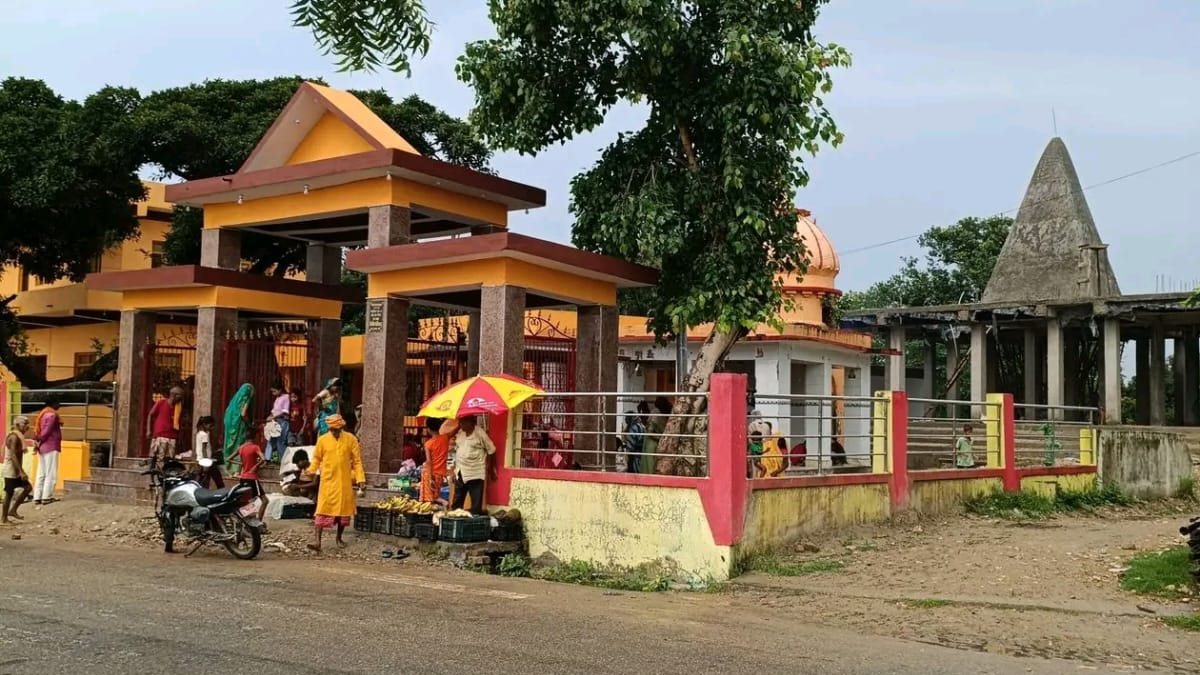 Manara MahadevA living village Shiva shrine in the Maithil Terai, half an hour from Janakpur.
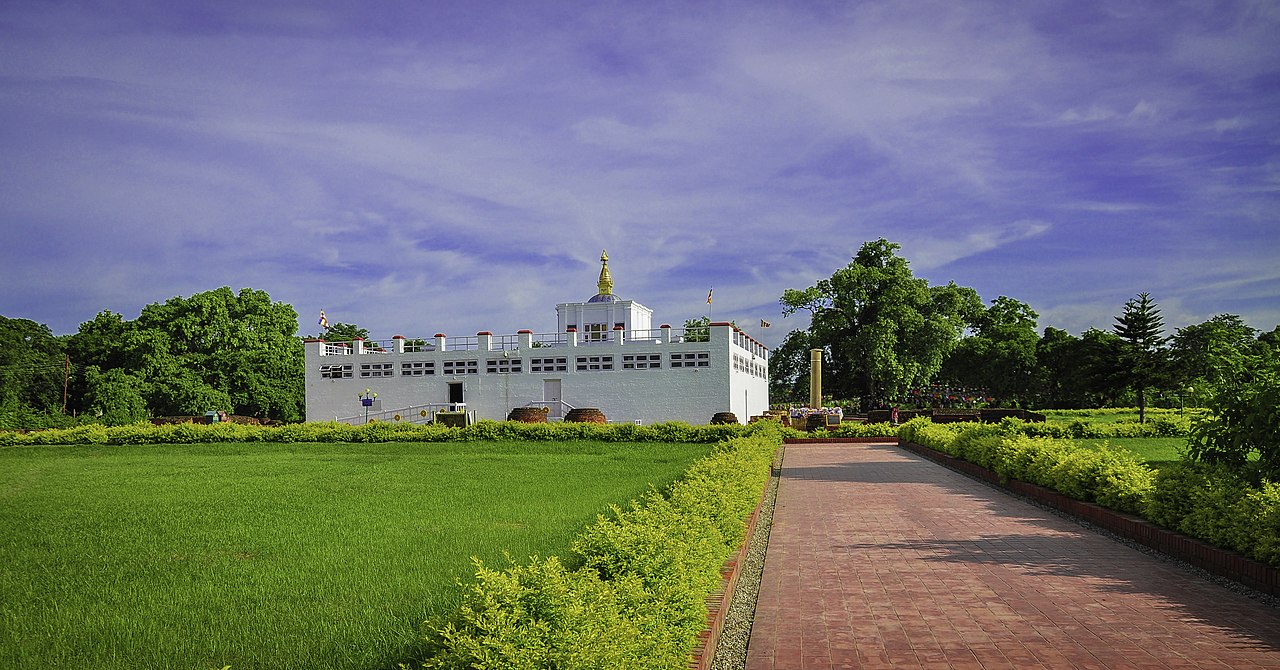 LumbiniThe birthplace of Lord Buddha and a UNESCO World Heritage Site.
 Pashupatinath TempleNepal's holiest Shiva shrine on the sacred Bagmati.
 KathmanduLiving temples, medieval squares and the gateway to Nepal.