


Janakpur Pilgrimage Tour: 2–3 Day Itinerary
A devotional journey through the land of Sita, where the Ramayana comes alive in golden temples, sacred ponds and the vivid art of Mithila.
A glimpse of Janakpur Pilgrimage Tour


Overview
Janakpur, properly Janakpurdham, is the spiritual heart of the Mithila region in Nepal's southern Terai and one of the most sacred Hindu pilgrimage centres in South Asia. This is the legendary land of Sita (Janaki), daughter of King Janak, who in the Ramayana was married here to Lord Ram of Ayodhya. To walk Janakpur is to walk through the epic itself: the spot where Ram is said to have lifted Shiva's mighty bow to win Sita's hand, the mandap where the divine wedding took place, and dozens of holy ponds in which pilgrims still bathe at dawn.
This itinerary is written for two kinds of traveller. First, Hindu pilgrims who come for darshan of Sita and Ram, to perform rituals at the sacred sagars (ponds), and to deepen their devotion at the most important Sita temple in the world. Second, culture travellers drawn to Mithila, a living civilisation with its own Maithili language, distinctive cuisine, and the world-famous Mithila (Madhubani) folk painting tradition created by women across the surrounding villages. Both will find Janakpur intimate, deeply atmospheric and refreshingly free of mass tourism.
When to go. Janakpur is a year-round destination, but the experience changes dramatically with the festival calendar. The single greatest time to visit is Vivaha Panchami (November–December), the multi-day celebration of the Ram-Sita wedding, when a procession (barat) symbolically arrives from Ayodhya and the whole city becomes a wedding pavilion. Ram Navami (March–April) marks Ram's birth with large crowds and a fair, while Chhath (October–November) sees the ponds ringed with lamps and devotees offering to the setting and rising sun. These festivals are unforgettable but extremely busy, plan well ahead. Outside them, the cool, dry winter months are the most comfortable for sightseeing.
You can see the essentials in two full days; a relaxed three-day trip adds nearby pilgrimage sites and time to absorb Mithila culture, or lets you continue onward to Lumbini. For the temple itself in depth, read our dedicated Janaki Mandir guide.
Day-by-Day Itinerary
This plan assumes you arrive in Janakpur by mid-morning on Day 1. Distances within the city are short, so you can move on foot, by cycle-rickshaw or by auto. Carry small cash, a head-covering scarf, and respect that several sites are active places of worship.
Day 1: Arrival & the heart of the Ramayana
Morning. After settling into your hotel, head straight to the Janaki Mandir, the magnificent three-storey marble temple built in 1910 in a fusion of Mughal and Rajput (Koiri) styles, and the spiritual centre of the whole city. Time your visit for the morning aarti and darshan, the temple typically opens around 5:00–6:00 am for early aarti, closes through the heat of the midday (roughly 12:00–4:00 pm), and reopens in the late afternoon until about 8:00–9:00 pm. The idol of Sita here is said to have been discovered nearby, giving the temple its sanctity. Leave footwear and leather at the designated counters, and join the queue for darshan in the inner sanctum.
Late morning. Adjoining the Janaki Mandir complex is the Ram Mandir (Ram Sita Bibaha Mandir) and, most importantly, the Ram-Sita Vivah Mandap, the ornate, brightly painted pavilion that commemorates the exact spot of the divine wedding. Pilgrims circle the mandap and offer prayers; the painted scenes of the marriage make this one of the most photographed and revered spots in Janakpur. Nearby stands the older Ram Mandir built in the Nepali pagoda style by Amar Singh Thapa.
Afternoon. Rest during the midday temple closure, this is also the hottest part of the day in the Terai. Use the time for lunch and to explore the market lanes and ritual-supply stalls around the temple, full of garlands, sindoor, brassware and Mithila souvenirs.
Evening. Return to the Janaki Mandir for evening aarti, the most atmospheric ceremony of the day, when lamps, bells and devotional song fill the courtyard. This is the emotional high point of any Janakpur visit. Afterwards, walk the lit-up temple precinct before a Maithili dinner.
Day 2: Sacred ponds, Mithila art & Dhanushadham
Early morning. Begin at the two most sacred ponds. Dhanush Sagar and Ganga Sagar, the twin tanks just south of the Janaki Mandir, are central to Janakpur's identity, the city is sometimes said to have had hundreds of sacred ponds. Pilgrims perform a ritual bath (snan) here at dawn, especially during Chhath and other festivals. Even if you do not bathe, the sunrise over the ghats, with devotees making offerings, is profoundly moving. Be respectful, photograph discreetly, and do not disturb those at worship.
Mid-morning. Travel a short way out of town to experience Mithila art at its source. Villages such as Kuwa (the Janakpur Women's Development Center area) are famous for Mithila / Madhubani painting, the ancient folk art of bold colours, fish, peacocks, lotus and wedding motifs, traditionally painted by women on walls and floors and now on paper and cloth. You can watch artists at work, learn the symbolism, and buy directly from the women who create it, supporting a remarkable living tradition.
Afternoon. Drive about 15–18 km northeast to Dhanushadham, one of the holiest sites in the region. Here, according to the Ramayana, a fragment of Shiva's mighty bow (Dhanush) fell to earth after Ram broke it to win Sita, a stone said to be a piece of that bow is enshrined and venerated. A large fair is held here at Makar Sankranti (mid-January). The site is peaceful and forested, a contrast to the busy city temples.
Evening. Back in Janakpur, treat yourself to Maithili cuisine, simple, satisfying vegetarian food and the region's famous sweets (see Where to Stay & Eat below).
Day 3 (optional): Wider Mithila & onward journey
Morning. If you have a third day, visit Jaleshwar Mahadev, an ancient and important Shiva temple about 22 km south of Janakpur near the Indian border, where the lingam sits in a water tank and draws large crowds on Maha Shivaratri. Alternatively, follow part of the traditional Mithila parikrama route, the circular pilgrimage circuit linking the sacred sites of the region, walked by sadhus and devotees over several days (you can sample a stretch of it).
Afternoon. Choose your onward path. Either depart from Janakpur by air or road, or continue your Nepal pilgrimage westward to Lumbini, the birthplace of the Buddha (around 6–7 hours by road across the Terai), making a powerful Hindu-and-Buddhist pilgrimage pairing. See our Lumbini guide to plan that leg, and our Pashupatinath guide if you are routing back through Kathmandu.
Ritual note: at all temples and ponds, move clockwise around shrines, remove shoes and leather, accept prasad with the right hand, and follow the lead of resident priests for any formal puja. Modest dress and a quiet, devotional manner are appreciated everywhere.
Best Time to Visit
The most comfortable time to visit Janakpur is the cool, dry season from October to March, when Terai daytime temperatures are pleasant and skies are clear. Within this window, the great pilgrimage festivals shape the experience:
- Vivaha Panchami (November–December): the spectacular multi-day re-enactment of the Ram-Sita wedding and the single most important festival in Janakpur. A symbolic wedding procession arrives, the city fills with pilgrims from Nepal and India, and the Janaki Mandir is at its most magnificent. Book accommodation weeks in advance.
- Chhath (October–November): the sun-worship festival, when the sacred ponds are ringed with diyas and devotees stand in the water to offer to the setting and rising sun, visually stunning and deeply local.
- Ram Navami (March–April): celebrates the birth of Lord Ram, with large crowds, devotional singing and a fair around the temples.
- Makar Sankranti (mid-January): a major fair at Dhanushadham.
Avoid the peak of the summer (April–June), when the Terai is intensely hot and humid, and the monsoon (June–September), which brings heavy rain, mud and the risk of flooding on local roads, though the countryside is lush and crowds thin. If your priority is calm darshan and easy sightseeing rather than festival spectacle, choose a non-festival week in December, January or February.
How to Reach Janakpur
By air
The fastest and easiest option is to fly. Domestic airlines operate daily flights from Kathmandu to Janakpur Airport (JKR), taking around 25 minutes. The airport sits close to the city centre, a short rickshaw or taxi ride from the temples. Flying is ideal if you have limited time or want to avoid the long road journey across the hills and Terai.
By road
By bus, Janakpur is roughly 7–9 hours from Kathmandu (about 225 km via the Dhulikhel–Bardibas route on the BP Highway, or longer via the East-West Highway). Day and overnight buses run from Kathmandu's bus parks; a private car is more comfortable and lets you break the journey. From other Terai towns, Birgunj, Bardibas, Biratnagar, Janakpur is well connected by frequent local and tourist buses along the East-West (Mahendra) Highway.
By rail from India
Janakpur has a historic cross-border rail link with India. The line runs from Jaynagar (Bihar, India) to Janakpur and on toward Bardibas, a convenient and inexpensive route for Indian pilgrims, who form a large share of visitors. Check current schedules locally, as services and timings change.
Getting around
Within Janakpur, the classic and charming way to travel between the temples, ponds and market is the cycle-rickshaw; auto-rickshaws (tempos) cover slightly longer hops and trips to Dhanushadham or Jaleshwar. Distances in the temple core are walkable. Agree the fare before you set off, and keep small notes handy.
Budget & Costs
Janakpur is an inexpensive pilgrimage town. The temples and ponds themselves are free to visit, there is no entry ticket for the Janaki Mandir, the Vivah Mandap or the sacred sagars, so your main costs are transport, accommodation, food and any donations, puja offerings or souvenirs. Approximate daily costs per person (2026 estimates, in Nepali rupees):
| Travel style | Per day | What it covers |
|---|---|---|
| Pilgrim / budget | NPR 2,000–3,500 | Dharamshala or simple lodge, local Maithili meals, rickshaw transport, small offerings |
| Mid-range | NPR 5,000–9,000 | Comfortable hotel with AC, mix of restaurant meals, autos and a half-day hired vehicle |
| Comfort | NPR 12,000+ | Best available hotel, private car with driver for out-of-town sites, guided culture tour |
Typical prices: a simple thali or Maithili meal NPR 150–400; tea and local sweets NPR 15–200; a cycle-rickshaw hop NPR 50–150; an auto to Dhanushadham return roughly NPR 2,500–5,000 (negotiated); a basic room NPR 600–1,500; a comfortable AC hotel double NPR 1,800–5,000. A Kathmandu–Janakpur flight is the biggest single cost, generally in the region of NPR 5,000–8,000 one way. Temple donation boxes and priest dakshina are voluntary, give what feels right. Carry cash in Nepali rupees, as cards are rarely accepted; ATMs are available in the town centre.
Where to Stay & Eat
Where to stay. Most visitors base themselves within walking distance of the Janaki Mandir, which keeps you close to the morning and evening aartis. Options range from dharamshalas and pilgrim rest-houses (very cheap, basic, often run by trusts for devotees) to budget lodges and a handful of mid-range hotels with air-conditioning, worth it in the warmer months and during festivals. During Vivaha Panchami and other big festivals, rooms fill weeks ahead and prices rise sharply, so reserve early or arrive on a day trip from a nearby town.
What to eat. Janakpur is the place to taste Maithili cuisine, the distinctive food of the Mithila region, generally vegetarian, fragrant and home-style. Look for:
- Maithili thali, rice, dal, seasonal vegetable curries, fried bari, pickle and papad, simple and satisfying.
- Bagiya / dhuska / litti, regional rice-and-lentil and stuffed savouries shared with neighbouring Bihar.
- Maithili sweets, the region is famous for milk-based sweets such as khurma, thekua (made especially for Chhath), balushahi, anarsa and fresh peda and curd. The sweet shops around the temple are an attraction in themselves.
Many eateries near the temple are pure-vegetarian in keeping with the pilgrimage setting. As anywhere in the Terai, drink only bottled, filtered or treated water, and eat freshly cooked hot food.
Tips & Etiquette
- Dress modestly. This is a sacred Hindu town, cover shoulders and knees, avoid tight or revealing clothing, and carry a scarf to cover the head at shrines. Conservative dress shows respect and is genuinely appreciated.
- Respect the rituals. Remove shoes and leather items before entering temples, move clockwise around shrines, do not point your feet at deities, and follow the resident priests' guidance for any puja. At the sacred ponds, do not disturb those performing snan or offerings.
- Plan around festival crowds. Vivaha Panchami, Ram Navami and Chhath draw huge crowds from Nepal and India; expect long darshan queues, packed lodging and limited transport. Arrive early in the day, keep belongings secure, and stay patient.
- Beat the summer heat. The Terai is very hot from April to June. Visit temples for the early-morning and evening aartis, rest during the midday closure, drink plenty of safe water, and use sun protection.
- Photography. The architecture, ponds and Mithila art are wonderfully photogenic, but ask before photographing people, priests or those at worship, and check whether photos are permitted inside the inner sanctum, where they are often restricted.
- Carry small cash. Temples, rickshaws, sweet shops and offerings are cash-only in Nepali rupees; keep small notes for donations and fares.
- Support local artisans. Buy Mithila paintings and handicrafts directly from the women's collectives and village artists rather than only from city stalls, it sustains the tradition at its source.
- Be a respectful guest. Janakpur is first and foremost a place of devotion, not a tourist attraction; a quiet, humble manner will open the warmest welcome from the Maithili community.
Frequently Asked Questions
How many days do you need for a Janakpur pilgrimage tour?
Two full days are enough to cover the essentials: the Janaki Mandir, Ram-Sita Vivah Mandap and evening aarti on day one, and the sacred ponds, Mithila art villages and Dhanushadham on day two. A third day lets you add Jaleshwar Mahadev, part of the Mithila parikrama route, or continue onward to Lumbini.
What is Janakpur famous for?
Janakpur is famous as the birthplace of Sita (Janaki) and the place where she was married to Lord Ram in the Ramayana. It is home to the grand Janaki Mandir, the Ram-Sita Vivah Mandap, dozens of sacred ponds, and the world-renowned Mithila (Madhubani) folk painting tradition.
What is the best time to visit Janakpur?
The cool, dry months from October to March are most comfortable. The most spectacular time is Vivaha Panchami in November or December, which celebrates the Ram-Sita wedding. Chhath (October–November) and Ram Navami (March–April) are also major festival times, though all are very crowded.
What is Vivaha Panchami and when is it celebrated?
Vivaha Panchami is the multi-day festival commemorating the divine marriage of Ram and Sita, celebrated in Janakpur in November or December (on the fifth day of the bright fortnight of Margashirsha). A symbolic wedding procession arrives from Ayodhya and the entire city becomes a wedding pavilion. It is the most important festival in Janakpur.
How do I reach Janakpur from Kathmandu?
The fastest way is a domestic flight from Kathmandu to Janakpur, which takes about 25 minutes. By road it is roughly 7 to 9 hours by bus or private car (around 225 km). Indian pilgrims can also use the cross-border rail link from Jaynagar in Bihar.
Is darshan at the Janaki Mandir free?
Yes. There is no entry ticket to visit the Janaki Mandir, the Ram-Sita Vivah Mandap or the sacred ponds. Donations and offerings are voluntary, and you give priests a small dakshina only if you have them perform a puja.
What are the darshan timings at the Janaki Mandir?
The temple typically opens early for morning aarti around 5:00 to 6:00 am, closes during the midday heat (roughly noon to 4:00 pm), and reopens in the late afternoon until about 8:00 to 9:00 pm. Timings can vary by season and during festivals, so confirm locally.
What should I see in Janakpur?
The must-see sites are the Janaki Mandir (the main Sita temple), the Ram-Sita Vivah Mandap and Ram Mandir, the sacred ponds Dhanush Sagar and Ganga Sagar, the Mithila art villages, and Dhanushadham, where a fragment of Shiva's bow is enshrined. Jaleshwar Mahadev is a worthwhile day trip.
What is the dress code for visiting Janakpur temples?
Dress modestly: cover your shoulders and knees and avoid tight or revealing clothing. Carry a scarf to cover your head at shrines, and remove shoes and leather items before entering temples. Conservative, respectful dress is expected in this sacred town.
Can I combine a Janakpur tour with Lumbini?
Yes. Janakpur and Lumbini both lie in the southern Terai and are commonly combined for a Hindu-and-Buddhist pilgrimage. Lumbini, the birthplace of the Buddha, is around 6 to 7 hours west of Janakpur by road. See our Lumbini guide to plan that leg of the journey.
What is Dhanushadham?
Dhanushadham is a sacred site about 15 to 18 km northeast of Janakpur where, according to the Ramayana, a piece of Shiva's bow fell to earth after Lord Ram broke it to win Sita's hand. A stone said to be a fragment of the bow is enshrined and venerated, and a large fair is held there at Makar Sankranti in mid-January.
What food is Janakpur known for?
Janakpur is the heart of Maithili cuisine, mostly vegetarian, home-style food including the Maithili thali, bagiya and litti, and especially its milk-based sweets such as khurma, thekua, balushahi and fresh peda. The sweet shops around the temple are an attraction in their own right.
What is Mithila or Madhubani painting?
Mithila painting, also called Madhubani art, is the traditional folk art of the Mithila region, created mainly by women using bold colours and motifs such as fish, peacocks, lotus flowers and wedding scenes. You can watch artists at work and buy directly from women's collectives in villages around Janakpur.
Where should I stay in Janakpur?
Stay within walking distance of the Janaki Mandir so you can attend the morning and evening aartis. Options range from cheap dharamshalas and pilgrim rest-houses to budget lodges and mid-range air-conditioned hotels. Book well ahead during Vivaha Panchami and other major festivals, when rooms fill quickly.
Is Janakpur safe for tourists and pilgrims?
Yes, Janakpur is generally safe and welcoming for tourists and pilgrims, including families. Take normal precautions in festival crowds, keep belongings secure, agree fares before taking rickshaws, drink only safe water, and protect yourself from the Terai heat in summer.
Reviews & Ratings
No reviews yet. Be the first to share your experience of Janakpur Pilgrimage Tour!
Official sources
Fees and rules on this page come from the bodies that set them. They do change, sometimes mid-season, so check the primary source before you pay anything.
- Nepal Tourism Board Official Nepal tourism informationntb.gov.np

By the BriefNepal Travel Desk
Researched and maintained by our Nepal-based editorial team and reviewed for accuracy. Last updated September 3, 2026. Prices, permits and conditions change, always verify before you travel. Spotted something out of date? Let us know.
Nepal Currency Converter
Live exchange rates for the Nepalese Rupee (NPR) against every world currency, handy for budgeting the prices in our guides.
Live mid-market rates. For information only, banks and exchanges apply their own margins.
Planning a trip to Nepal?
Join the BriefNepal Travel list for seasonal tips, new guides and our free Nepal trip-planning checklist. No spam, unsubscribe anytime.
Explore More of Nepal
Janaki MandirThe birthplace of Sita and a marble marvel in Janakpur.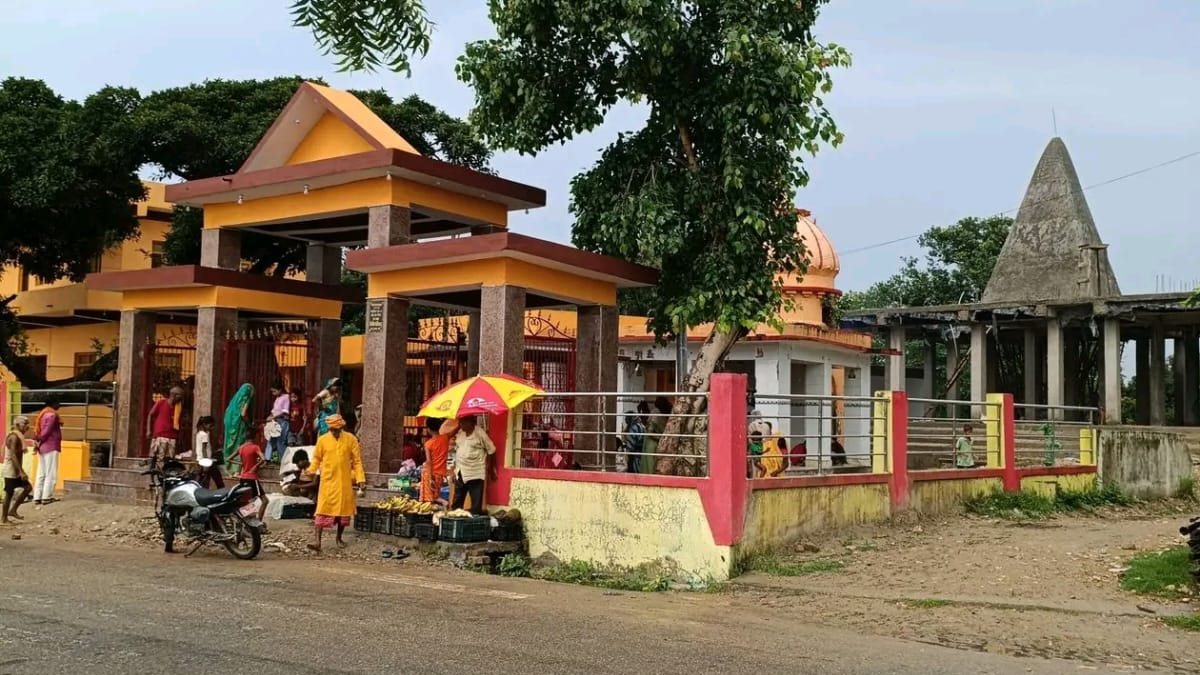 Manara MahadevA living village Shiva shrine in the Maithil Terai, half an hour from Janakpur.
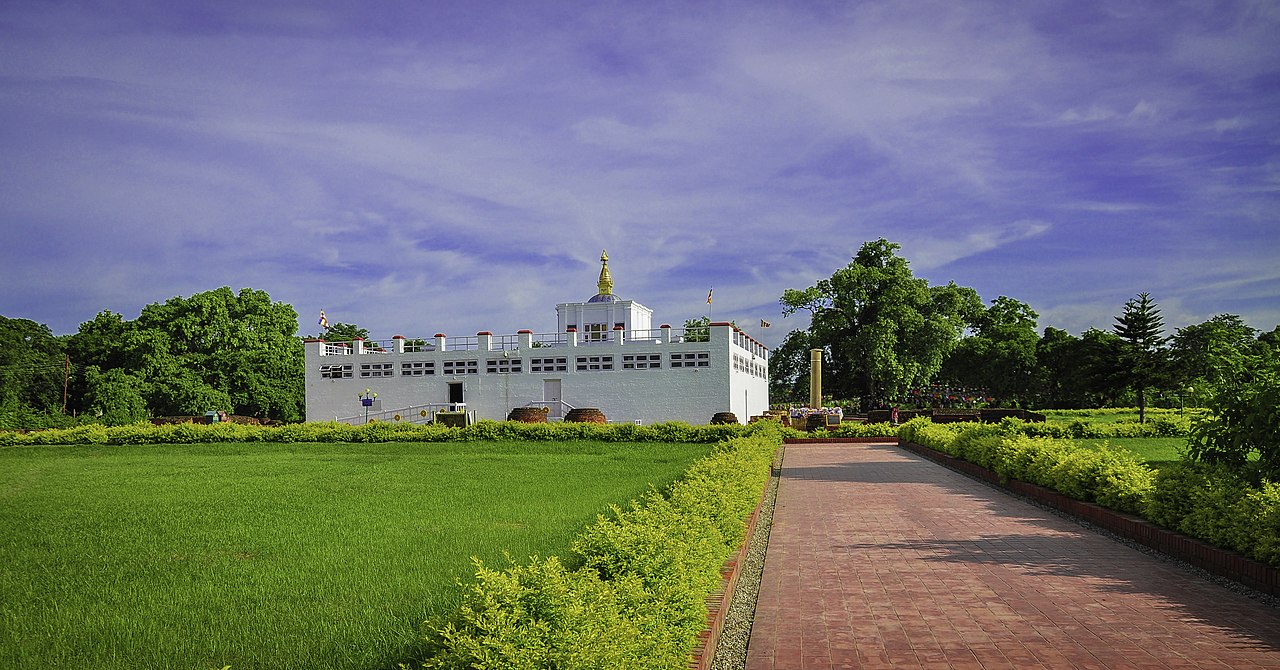 LumbiniThe birthplace of Lord Buddha and a UNESCO World Heritage Site.
 Pashupatinath TempleNepal's holiest Shiva shrine on the sacred Bagmati.
 7 Days in NepalThe classic loop: Kathmandu, Pokhara and Chitwan jungle.