




Renjo La Pass Trek Guide
The Renjo La Pass trek is a quieter back route into the Gokyo valley, climbing through the old trading village of Thame and up over the 5,360 m Renjo La for one of the finest panoramas in the Khumbu, looking down on the turquoise Gokyo lakes with Everest and the great peaks beyond.
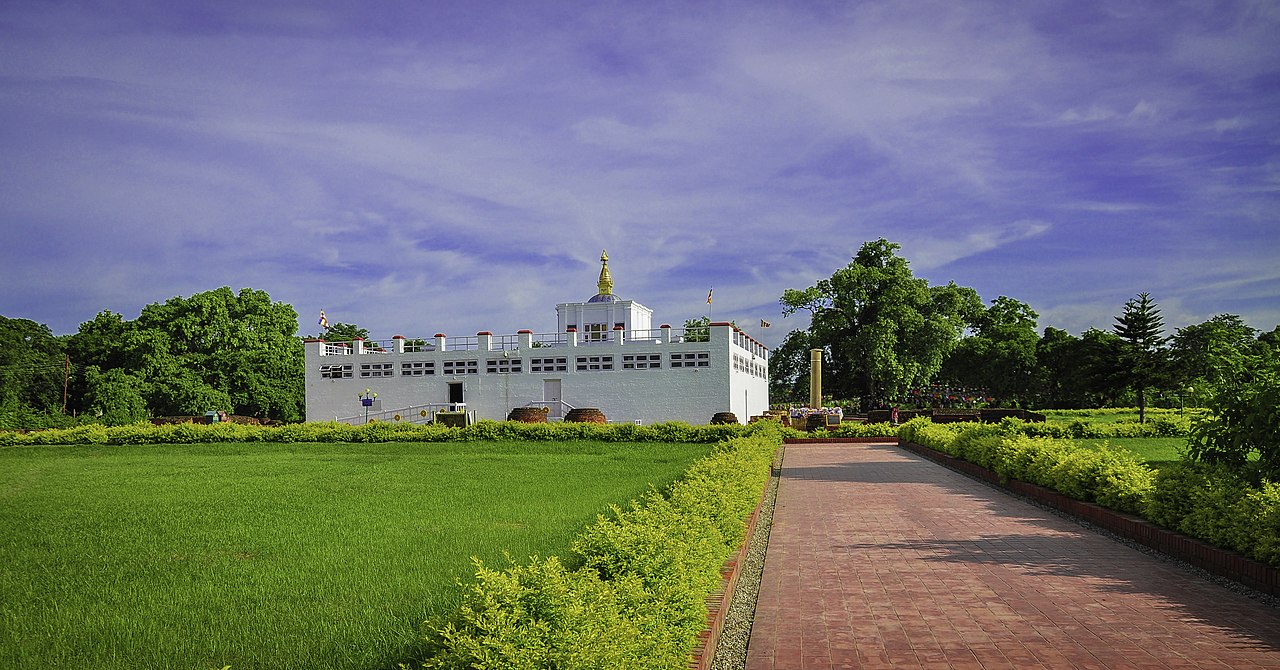
A glimpse of Renjo La Pass


Overview
The Renjo La Pass trek is one of the quieter and more rewarding ways into the Gokyo valley, approaching it from the west via the historic Thame valley rather than the busy main trail. Its centrepiece is the Renjo La, a high pass at around 5,360 m that delivers what many consider the single finest viewpoint in the Khumbu: a sudden, sweeping panorama looking down on the turquoise Gokyo lakes with Everest, Lhotse, Makalu and Cho Oyu ranged across the skyline beyond.
Most trekkers complete the route in 12 to 15 days round trip from Kathmandu, including the flights to and from Lukla. After the familiar walk up to Namche Bazaar, the trail branches west into the Thame valley, an old salt-trading route to Tibet and the home village of several famous Sherpa climbers, before climbing through Thame and Lungden towards the pass. This western approach sees far fewer trekkers than the main Gokyo trail, giving a quieter, more remote feel.
Crossing the Renjo La, the trail drops to the Gokyo lakes (around 4,790 m) and the village of Gokyo beside them. From here you can climb Gokyo Ri for a classic close-up of Everest and the vast Ngozumpa glacier, the longest in Nepal. Many itineraries return down the standard Gokyo trail via Dole and Namche, making a satisfying loop that combines the quiet Thame side with the spectacular lakes.
The trek is graded strenuous, with a genuine high-altitude pass and several days above 4,000 m, but it requires no technical climbing skills in normal conditions. It is a superb choice for trekkers who want the Gokyo scenery without the crowds, and it can be linked with the Three Passes or the Cho La for a bigger Khumbu circuit.
Day-by-Day Itinerary
This is a classic Renjo La itinerary built around the quiet Thame approach, the pass crossing and the Gokyo lakes. It can be linked with the Cho La or Three Passes for a longer circuit. Allow buffer days, as the Lukla flights from Kathmandu are weather-dependent.
Day 1: Fly Kathmandu to Lukla (2,840 m), trek to Phakding (2,610 m)

An early scenic flight to Lukla, then a gentle walk down the Dudh Koshi valley to Phakding. (3-4 hours.)
Day 2: Phakding to Namche Bazaar (3,440 m)

Crossing suspension bridges and entering Sagarmatha National Park, then a steep climb to Namche Bazaar. (5-6 hours.)
Day 3: Acclimatisation day at Namche
An active rest day hiking to the Everest View Hotel viewpoint and the Sherpa villages for first big mountain views. (4-5 hours of hiking.)
Day 4: Namche to Thame (3,820 m)
Branching west into the quiet Thame valley, an old Tibet trading route, to the village of Thame with its hillside gompa and Sherpa-climbing heritage. (4-5 hours.)
Day 5: Thame to Lungden (4,380 m)
A steady climb up the increasingly remote valley to Lungden, the last settlement before the pass, in wild high country. (4-5 hours.)
Day 6: Acclimatisation or short hike from Lungden
A day to acclimatise before the pass, with an optional short hike up towards Renjo La or a side valley to aid adjustment. (2-4 hours.)
Day 7: Cross the Renjo La (5,360 m) to Gokyo (4,790 m)

The big day: a long climb to the Renjo La at around 5,360 m and its breathtaking panorama over the Gokyo lakes with Everest, Lhotse and Makalu beyond, then a descent to the village of Gokyo beside its third lake. (6-8 hours.)
Day 8: Climb Gokyo Ri (5,357 m) and explore the lakes
An early climb up Gokyo Ri for a classic close-up of Everest and the vast Ngozumpa glacier, then time to explore the upper Gokyo lakes. (4-6 hours.)
Day 9: Gokyo to Dole (4,200 m)
Descend the standard Gokyo trail along the valley to Dole, with the Ngozumpa glacier behind you. (5-6 hours.)
Day 10: Dole to Namche Bazaar (3,440 m)
A descent through rhododendron and birch forest back to Namche. (5-6 hours.)
Day 11: Namche to Lukla (2,840 m)

A long descent down the Dudh Koshi valley back to Lukla for the flight out. (6-7 hours.)
Day 12: Fly Lukla to Kathmandu
The morning flight back to Kathmandu. With buffer days for flights and acclimatisation, the full trip runs around 12-15 days. (Flight plus transfer.)
Optional extension: link with Cho La or Three Passes (3-5 extra days)

From Gokyo you can cross the Cho La towards Everest Base Camp, or combine all three high passes for a full Three Passes circuit, making a much longer and more demanding journey.
Difficulty & Fitness
The Renjo La Pass trek is graded strenuous, with a genuine high-altitude pass crossing and several days at altitude. It is more demanding than the standard Gokyo lakes route because of the high, remote western approach.
- High altitude. The pass tops out at around 5,360 m, and you spend several nights above 4,000 m, so altitude sickness is a real concern. Proper acclimatisation, including the Namche day and care on the Thame side, is essential.
- Long pass day. The Renjo La crossing is a long, sustained climb to over 5,300 m followed by a steep descent to Gokyo, the hardest single day of the trek.
- Remote western approach. The Thame valley is quiet and lightly served, with fewer and simpler teahouses than the main trail, so flexibility and self-sufficiency matter.
- No technical skills in normal conditions. The pass is a walking route in good conditions, though early or late season snow can make it harder and may call for extra care.
You should be a fit trekker comfortable walking 5-8 hours a day on uneven mountain trails for nearly two weeks, with good cardiovascular fitness for the altitude. No technical climbing skills are required in normal conditions, but previous high-altitude experience helps. Train with hill walking and cardio beforehand, and respect the altitude on the pass day.
Permits & Regulations
The Renjo La Pass trek runs entirely within the Khumbu, so you need the standard Everest-region permits. Note that TIMS is not used in the Khumbu; instead two local permits apply:
- Sagarmatha National Park entry permit, around NPR 3,000 for foreign nationals, usually issued at Monjo or in Kathmandu through an agency.
- Khumbu Pasang Lhamu Rural Municipality entry permit, around NPR 3,000, paid locally (typically at Lukla).
Since 2023, Nepal requires trekkers on organised treks to use a licensed guide rather than walking fully independently. On a high, quiet route like the Renjo La, where the western approach is lightly travelled and the pass is exposed, a guide is especially valuable. Carry your passport and several passport photos, keep both permits handy for the checkpoints at Lukla and Monjo, and, because fees and rules can change, confirm the current requirements with a registered agency in Kathmandu before you travel.
Cost & Budget
The Renjo La Pass trek costs a little more than the standard Gokyo route because of its length and the remoteness of the Thame approach, with the Lukla flight as the major fixed cost.
- Guided package: typically around NPR 185,000-320,000 per person depending on group size, the number of days and the level of service. This usually covers the guide, porter, permits, the Lukla flights, accommodation and meals on the trek.
- Lukla flights: the round-trip flight between Kathmandu (or Manthali) and Lukla is the single biggest cost and varies by season. Build in a buffer for weather delays.
- Permits: the Sagarmatha National Park entry permit (around NPR 3,000) plus the Khumbu Pasang Lhamu Rural Municipality permit (around NPR 3,000-3,000).
- On-trail spending: Namche has unreliable ATMs, so carry enough Nepali rupees in cash for meals beyond your package, hot showers, charging, wifi and tips. Prices rise the higher you go, and the Thame side has fewer services.
Smaller groups pay more per head, while larger groups spread the guide and flight-handling costs. A generous tip for guides and porters is customary, and you should budget a contingency for an extra night if a Lukla flight is delayed or weather affects the pass.
Best Time to Trek
The Renjo La Pass trek follows the same seasonal pattern as the rest of the Khumbu, and because the high pass can hold snow, conditions there shape the experience.
- Spring (March-May) brings warm days, blooming rhododendron in the lower valleys and generally clear mountains, with the pass usually crossable, though early spring can still hold snow.
- Autumn (late September-November) offers the most stable weather and the clearest air after the monsoon, with superb views from the Renjo La over the Gokyo lakes. It is the most reliable season for the pass.
Avoid the monsoon (June-early September): cloud hides the panorama that is the whole point of the pass, trails are wet, and Lukla flights face the worst delays. Winter (December-February) brings very clear, cold days but heavy snow can block the Renjo La and close lodges on the quiet Thame side. For the best balance of clear views and a safe pass crossing, plan for spring or autumn.
Packing, Safety & Tips
Acclimatisation
With a high point of around 5,360 m and several nights above 4,000 m, altitude sickness is a real concern. Take the Namche acclimatisation day and a day on the Thame side, ascend steadily, stay hydrated, avoid alcohol, and watch for headache, nausea or dizziness. The quiet western approach means help is further away, so descend promptly if symptoms worsen.
Gear & packing
Pack for cold, high mountain weather with a serious pass crossing: a warm sleeping bag (rated well below freezing), a down jacket, layered clothing, sturdy broken-in boots, trekking poles, glacier sunglasses, sun protection and a headlamp. Bring a reliable water-purification method, high-energy snacks, and a first-aid kit with blister care and altitude medication discussed with your doctor. Carry traction aids if snow is likely on the pass.
Communications & money
Mobile signal and wifi reach Namche and Gokyo for a fee but are patchy on the Thame side. Namche has unreliable ATMs, so carry enough cash in Nepali rupees for the whole trek. The quiet western valley has fewer services, so do not rely on finding supplies high up.
Safety & insurance
Buy comprehensive travel insurance that covers trekking to at least 5,500 m and includes helicopter evacuation. The Thame side and the Renjo La are remote and exposed, and a rescue is far easier to arrange with cover in place. Trek with a licensed guide, stay weather-aware on the pass, and start the crossing early to avoid afternoon cloud and wind.
Combining with other treks
The Renjo La pairs naturally with the Gokyo Lakes, which it reaches by a quieter route, and it can be linked with the Cho La towards Everest Base Camp or combined into the full Three Passes circuit for a far bigger adventure. Base yourself in Kathmandu before and after to arrange permits, the Lukla flight and a guide.
Altitude Sickness (AMS) & Trek Safety
The Renjo La Pass trek climbs to 5,360 m, well into the zone where acute mountain sickness (AMS) is a serious, potentially fatal risk, careful acclimatisation is non-negotiable. This section covers how to recognise altitude sickness, prevent it, prepare physically, and stay insured, it is general guidance, not medical advice.
Recognise the symptoms
| Level | Signs | What to do |
|---|---|---|
| Mild AMS | Headache, nausea or loss of appetite, dizziness, fatigue, broken sleep. | Stop ascending, rest, hydrate. Do not go higher until symptoms clear; descend if they do not. |
| Severe, HAPE (lungs) | Breathlessness at rest, persistent cough, frothy or pink spit, chest tightness, blue lips. | Descend immediately and treat as a medical emergency, arrange evacuation. |
| Severe, HACE (brain) | Confusion, clumsiness or loss of balance, crushing headache, drowsiness, hallucinations. | Descend immediately, HACE is life-threatening within hours. Evacuate. |
Prevent it: the golden rules
- Ascend slowly. Above 3,000 m, raise your sleeping altitude by no more than ~300–500 m per day and take the built-in acclimatisation days.
- Climb high, sleep low. Day-hike higher, then come back down to sleep.
- Hydrate (3–4 litres/day), eat well, and avoid alcohol, sleeping pills and smoking at altitude.
- Never ascend with AMS symptoms, and descend at once if they worsen, going down is the only reliable cure.
- Consider acetazolamide (Diamox) as a preventive/treatment aid, but only after discussing it with your doctor.
Get trek-fit
Start training 6–8 weeks out: build aerobic base with running, cycling or brisk hill walking 3–4 times a week; add stair and hill repeats carrying a loaded daypack (6–8 kg) to ready your legs for long descents; and finish with a couple of back-to-back long hiking days to rehearse multi-day fatigue. Strong quads and good cardio make altitude far more manageable.
Insurance & evacuation
Buy travel insurance that explicitly covers trekking up to 5,360 m and helicopter evacuation, a rescue from altitude is essential and very expensive without cover. Carry your policy number and your operator’s emergency contact, and keep the booking details of any guide with you.
Frequently Asked Questions
How many days does the Renjo La Pass trek take?
It usually takes 12 to 15 days round trip from Kathmandu, including the flights to and from Lukla, a Namche acclimatisation day and a day on the Thame side before the pass. Linking it with the Cho La or the Three Passes adds several more days. Always build in a buffer for weather-dependent Lukla flights.
How hard is the Renjo La Pass trek?
It is graded strenuous, with a high pass at around 5,360 m and several nights above 4,000 m. The Renjo La crossing is a long, sustained day, and the quiet western approach is lightly served. No technical skills are needed in normal conditions, but good fitness and proper acclimatisation are essential.
How high is the Renjo La?
The Renjo La pass tops out at around 5,360 metres, making it the high point of the trek. From the pass you look down on the Gokyo lakes at around 4,790 m with Everest, Lhotse, Makalu and Cho Oyu beyond. Several nights are spent above 4,000 m, so altitude is a genuine concern.
What permits do I need for the Renjo La Pass trek?
You need the Sagarmatha National Park entry permit (around NPR 3,000) and the Khumbu Pasang Lhamu Rural Municipality entry permit (around NPR 3,000-3,000). TIMS is not used in the Khumbu. Since 2023 organised trekking requires a licensed guide. Confirm current fees and rules with a registered agency.
How much does the Renjo La Pass trek cost?
A guided package typically costs around NPR 185,000-320,000 per person depending on group size, days and service level. This usually covers the guide, porter, permits, the Lukla flights, lodging and meals. The Lukla flight is the biggest fixed cost, and the quiet Thame side has fewer services, so carry extra cash.
What is the best time to do the Renjo La Pass trek?
The best times are spring (March-May) and autumn (late September-November), which offer the clearest views from the pass and the most reliable Lukla flights. Autumn is the most stable season for crossing the Renjo La. Avoid the monsoon, when cloud hides the panorama, and deep winter, when snow can block the pass.
Do I need a guide for the Renjo La Pass trek?
Yes. Since 2023 Nepal has required a licensed guide for organised trekking, and on a high, exposed pass with a quiet, lightly travelled western approach a guide is especially valuable for safety and route-finding. Most people trek the Renjo La with a guide and a registered agency. Confirm the current rules before travelling.
Why is the Renjo La approach quieter than the main Gokyo trail?
Because it climbs the Thame valley to the west, an old Tibet trading route, rather than following the busy main Gokyo trail through Dole and Machhermo. Most trekkers use the standard route, so the Thame side sees far fewer people, giving a more remote and peaceful feel before you reach the Gokyo lakes.
Is altitude sickness a risk on the Renjo La Pass trek?
Yes. With a high point of around 5,360 m and several nights above 4,000 m, altitude sickness is a real concern. Take the acclimatisation days, ascend steadily and stay hydrated. The quiet western approach means help is further away, so descend promptly if symptoms worsen, and carry insurance with helicopter evacuation.
What views do you get from the Renjo La?
The Renjo La offers what many consider the finest viewpoint in the Khumbu: a sudden panorama looking down on the turquoise Gokyo lakes with Everest, Lhotse, Makalu and Cho Oyu ranged across the skyline. Climbing nearby Gokyo Ri adds an even closer view of Everest and the vast Ngozumpa glacier.
Can the Renjo La be combined with the Cho La or Three Passes?
Yes. From Gokyo you can cross the Cho La towards Everest Base Camp, or link all three high passes (Renjo La, Cho La and Kongma La) into the full Three Passes circuit. These extensions add several demanding days and turn the Renjo La trek into a much bigger high-altitude Khumbu adventure.
Is the Renjo La crossing technical?
In normal dry conditions it is a walking route with no climbing skills required, just a long, steep climb and descent at altitude. However, early or late season snow and ice can make the pass harder and more hazardous, so traction aids, an early start and a guide who can judge conditions are important.
Compare with Other Nepal Treks
How Renjo La Pass stacks up against other popular Nepal treks, at a glance, to help you choose and plan.
| Trek | Difficulty | Max Altitude | Duration | Best Season | Region |
|---|---|---|---|---|---|
| Renjo La PassThis trek | 🔴 Strenuous | 5,360 m | 12–15 days | Mar–May & Sep–Nov | Khumbu, Solukhumbu |
| Gokyo Lakes | 🟠 Challenging | 5,357 m | 12–14 days | Mar–May & Sep–Nov | Khumbu, Solukhumbu |
| Cho La Pass | 🔴 Strenuous | 5,420 m | 16–18 days | Mar–May & Sep–Nov | Khumbu, Solukhumbu |
Why these grades?
Renjo La Pass 🔴 Strenuous, Crosses the 5,360 m Renjo La into the Gokyo valley on a quieter alternative to the busy Everest trail, with sustained time above 4,500 m and an exposed pass; superb views but real altitude and a strenuous crossing.
Gokyo Lakes 🟠 Challenging, Climbs to 5,357 m on Gokyo Ri above turquoise glacial lakes, with sleeping altitudes near 4,790 m and an optional 5,420 m Cho La pass; the altitude is demanding, though the teahouses are excellent.
Cho La Pass 🔴 Strenuous, Links Everest Base Camp and the Gokyo lakes over the icy 5,420 m Cho La, with a glacier and boulder section, several nights above 4,700 m and long days; one of the harder standard Khumbu routes.
Reviews & Ratings
No reviews yet. Be the first to share your experience of Renjo La Pass!
Official sources
Fees and rules on this page come from the bodies that set them. They do change, sometimes mid-season, so check the primary source before you pay anything.
- Nepal Tourism Board Sagarmatha National Park entry feesntb.gov.np
- Trekking Agencies' Association of Nepal TIMS card rules & feeswww.taan.org.np
- Dept. of National Parks & Wildlife Conservation National park & conservation area entry feesdnpwc.gov.np
By the BriefNepal Travel Desk
Researched and maintained by our Nepal-based editorial team and reviewed for accuracy. Last updated September 3, 2026. Prices, permits and conditions change, always verify before you travel. Spotted something out of date? Let us know.
Nepal Trip Planning Tools
Estimate your costs and trekking permits in seconds, built on real, current Nepali prices.
💰 Trip Cost Calculator
🎫 Trek Permit Calculator
Estimates only, fees and prices change with season and policy. Confirm with a registered agency and the Nepal Tourism Board before you travel.
Nepal Currency Converter
Live exchange rates for the Nepalese Rupee (NPR) against every world currency, handy for budgeting the prices in our guides.
Live mid-market rates. For information only, banks and exchanges apply their own margins.
Planning a trip to Nepal?
Join the BriefNepal Travel list for seasonal tips, new guides and our free Nepal trip-planning checklist. No spam, unsubscribe anytime.
Explore More of Nepal
Gokyo LakesTurquoise glacial lakes and a four-8,000m panorama from Gokyo Ri in the Khumbu. Cho La PassLinking Everest Base Camp and the Gokyo lakes over the icy 5,420 m Cho La.
 Everest Three PassesThe ultimate Khumbu loop over Kongma La, Cho La and Renjo La.
 KathmanduLiving temples, medieval squares and the gateway to Nepal.