


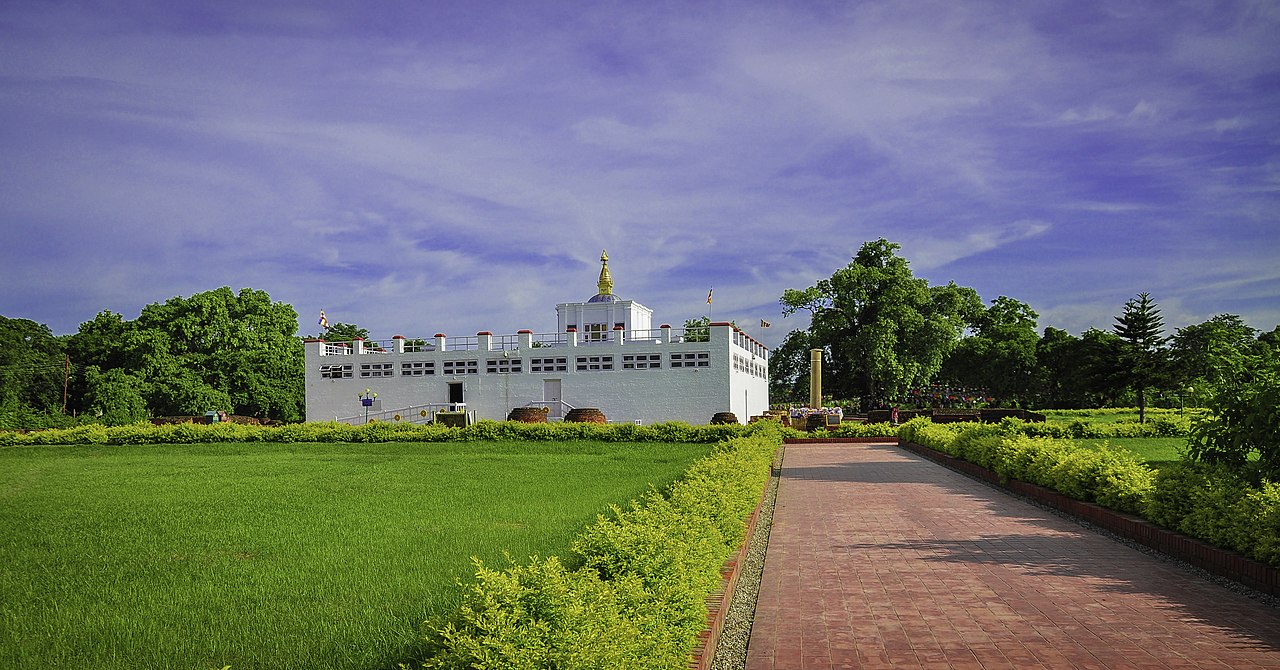

Rara Lake Trek Guide
The Rara Lake trek leads to Rara, Nepal's largest lake, a deep blue expanse of about 10.8 square kilometres ringed by pine and juniper forest in the remote far-western Karnali, inside Rara National Park, reached by flying via Nepalgunj to Talcha airport near Jumla.
Overview
The Rara Lake trek is a journey to Rara, the largest lake in Nepal, a deep blue, freshwater expanse of about 10.8 square kilometres cradled at around 2,990 m in the remote far-western Karnali region, in Mugu district. Protected within Rara National Park, the lake is ringed by pine, spruce and juniper forest and backed by rolling, often snow-dusted hills, and its sheer scale, stillness and isolation give it an atmosphere quite unlike the busier trekking regions further east.
Because of its remoteness, Rara is one of the least-visited major destinations in Nepal, which is exactly its appeal. The standard approach is to fly from Kathmandu to Nepalgunj in the lowlands, then take a second mountain flight to the small airstrip at Talcha, near Jumla, from where a short trek of a few days reaches the lake. This air access keeps the on-foot section manageable while crossing some of the most remote country in the Himalaya.
The walking is gentle to moderate, through forest and quiet hill villages, with the optional climb to the Murma Top viewpoint at around 3,710 m offering a sweeping panorama over the lake and, on clear days, distant peaks. You can circle the lakeshore, watch the changing light on the water, and encounter very few other trekkers along the way. Most trips take 7 to 12 days overall, depending on flights, the walking route and rest days.
The challenge here is logistical rather than physical: the altitude is gentle and the trails are not hard, but the region is remote, the flights are weather-dependent and can be delayed, and facilities are basic. It is a fine choice for travellers who want raw natural beauty, solitude and a genuine off-the-beaten-track adventure over high passes or famous summits, and it pairs naturally with the wider Rara region and the far west.
Day-by-Day Itinerary
This is a representative Rara Lake itinerary built around the standard fly-in via Nepalgunj and Talcha, with a short trek to the lake and time to explore the shore and viewpoints. It can be shortened by fit groups or lengthened with extra days for the lakeside, the Murma Top viewpoint and buffer time for weather-dependent flights. The trip begins and ends in Kathmandu.
Day 1: Fly Kathmandu to Nepalgunj

A short flight from Kathmandu down to the lowland city of Nepalgunj near the Indian border, the gateway to the far west, with an overnight stay to connect to the morning mountain flight. (Flight plus transfer.)
Day 2: Fly Nepalgunj to Talcha, trek to Rara Lake (around 2,990 m)

An early mountain flight to the small airstrip at Talcha near Jumla, then a walk of a few hours through pine and juniper forest down to the shore of Rara Lake. (Flight plus 3-4 hours of walking.)
Day 3: Explore Rara Lake and circle the shore
A full day around the lake, following the shoreline trail within Rara National Park, watching the light change on the water and enjoying the forest and birdlife. A gentle, scenic day. (4-6 hours of walking.)
Day 4: Hike to Murma Top viewpoint (3,710 m) and return
A climb to the Murma Top viewpoint at around 3,710 m, with a sweeping panorama over the blue expanse of the lake and, on clear days, distant Himalayan peaks, then a return to the lakeside. (5-7 hours round trip.)
Day 5: Trek back to Talcha, fly Talcha to Nepalgunj
A walk back up through the forest to the Talcha airstrip and a mountain flight down to Nepalgunj, weather permitting, for an overnight stay. (Walking plus flight.)
Day 6: Fly Nepalgunj to Kathmandu
A flight back to Kathmandu, completing the trip. (Flight plus transfer.)
Buffer days for flights (1-3 extra)
Because the Nepalgunj and Talcha flights are weather-dependent and prone to delay, it is strongly advisable to build in spare days. Longer itineraries also add villages, extra lakeside time or a fuller walking approach from Jumla, taking the overall trip towards 10-12 days.
Difficulty & Fitness
The Rara Lake trek is graded moderate, and the walking itself is gentle compared with the high-pass and base-camp routes. The real demands of this trek are logistical and environmental rather than physical.
- Gentle altitude. The lake sits at around 2,990 m and the Murma Top viewpoint at around 3,710 m, so altitude sickness is a low risk, though the viewpoint day is felt and should be taken steadily.
- Moderate walking. The trails through forest and hill villages are gentle to rolling, with some ups and downs, and the daily distances around the lake and to the viewpoint are manageable for most reasonably fit walkers.
- Remote logistics. The biggest challenge is the remoteness and the weather-dependent flights via Nepalgunj and Talcha, which can be delayed, so flexibility and spare days are essential.
- Basic facilities. Accommodation is simple, supplies are limited and the area is far from services, so self-sufficiency and patience matter.
You should be comfortable walking a few hours a day on hill trails and prepared for basic conditions and possible flight delays, but no technical skills or high-altitude experience are needed. It is a good choice for travellers seeking solitude and natural beauty in a gentle, if logistically demanding, package.
Permits & Regulations
The Rara Lake trek lies within Rara National Park, so the permits are those of the park rather than a conservation area:
- Rara National Park entry permit, around NPR 3,000 for foreign nationals, required to enter the park and visit the lake.
- TIMS card (Trekkers' Information Management System), around NPR 2,000 for foreign nationals, arranged through a registered trekking agency.
Both can be arranged in Kathmandu or, for the park permit, on arrival in the region through a registered agency. Since 2023, Nepal requires trekkers on organised treks to use a licensed guide rather than walking fully independently, and in this remote far-western region a guide who knows the flights, lodges and trails is particularly valuable. Carry your passport and several passport photos, keep permits handy for park checkpoints, and, because rules and fees can change, confirm the current requirements with a registered agency before you travel.
Cost & Budget
The Rara Lake trek costs more than its short walking section suggests, because the access involves two flights and the far-western logistics are expensive relative to the modest trekking.
- Guided package: typically around NPR 95,000-185,000 per person depending on group size, the number of days and the flight arrangements. This usually covers the guide, permits, domestic flights or their coordination, accommodation and meals on the trek.
- Flights: the main cost driver is the air access, with a flight from Kathmandu to Nepalgunj and a second mountain flight from Nepalgunj to Talcha and back.
- Permits: a Rara National Park entry permit (around NPR 3,000) plus a TIMS card (around NPR 2,000).
- On-trail spending: carry enough cash in Nepali rupees, as there are no ATMs in the region and facilities are basic, so you will need cash for extras, the lodges and tips.
Smaller groups pay more per head, while larger groups spread the guide and logistics costs. Budget a contingency for weather-related flight delays, which are common in the far west, and a tip for the guide and any crew. The remoteness, rather than luxury, is what you are paying for.
Best Time to Trek
The trekking seasons for Rara follow Nepal's usual pattern, but the far-western weather and the reliance on flights make the choice of season especially important here.
- Autumn (October-November) brings the most stable weather, the clearest skies and the best chance of reliable flights, with the blue lake set against crisp, clear surroundings. It is widely regarded as the prime season for Rara.
- Spring (March-May) is warm and green, with blooming forest and pleasant temperatures, making it the other excellent window for the trek and for good views from the Murma Top.
Avoid the monsoon (June-early September): rain and cloud obscure the lake and hills, trails turn muddy, and the weather-dependent flights are especially prone to cancellation. Winter (December-February) can be strikingly beautiful, with snow around the lake, but it is bitterly cold, facilities may close, and flights are frequently disrupted. For the best balance of clear views, comfortable walking and reliable flights, plan for autumn or spring.
Packing, Safety & Tips
Acclimatisation
With the lake at around 2,990 m and the Murma Top viewpoint at around 3,710 m, altitude sickness is a low risk on the Rara Lake trek. You do not normally need dedicated acclimatisation days, though it is sensible to take the viewpoint climb steadily, stay hydrated and watch for mild symptoms on the highest day.
Gear & packing
Pack for a cool, remote forest trek with cold nights: a warm sleeping bag, a down or fleece layer, layered clothing, a warm hat and gloves, sturdy broken-in boots, trekking poles, sun protection and a headlamp. Bring a reliable water-purification method, snacks, and a first-aid kit, and pack a light waterproof, as far-western weather can change quickly even in the dry seasons.
Communications & money
Phone signal is patchy and unreliable across much of the region, and there are no ATMs near the lake, so carry enough cash in Nepali rupees for the whole trip plus a generous buffer for flight delays and extras. The basic lodges deal only in cash.
Safety & insurance
Buy comprehensive travel insurance that covers trekking and includes helicopter evacuation, which is especially important in this remote far-western region where road access and medical facilities are limited. Build buffer days into your plan for the weather-dependent Nepalgunj and Talcha flights, and trek with a licensed guide who knows the flights, lodges and trails in this little-visited corner of the country.
Combining with other treks
Rara sits in the wider Rara and far-western Karnali region, which also holds the remote Upper Dolpo and the trek to the turquoise Shey Phoksundo lake, near Phoksundo Lake, for adventurous travellers exploring this part of Nepal. The grassland plateau of Khaptad National Park lies in the same broad region. Base yourself in Kathmandu to arrange flights, permits and a licensed guide before heading west.
Altitude Sickness (AMS) & Trek Safety
The Rara Lake Trek trek reaches 3,710 m, high enough that acute mountain sickness (AMS) is a genuine risk for most trekkers, so acclimatise deliberately. This section covers how to recognise altitude sickness, prevent it, prepare physically, and stay insured, it is general guidance, not medical advice.
Recognise the symptoms
| Level | Signs | What to do |
|---|---|---|
| Mild AMS | Headache, nausea or loss of appetite, dizziness, fatigue, broken sleep. | Stop ascending, rest, hydrate. Do not go higher until symptoms clear; descend if they do not. |
| Severe, HAPE (lungs) | Breathlessness at rest, persistent cough, frothy or pink spit, chest tightness, blue lips. | Descend immediately and treat as a medical emergency, arrange evacuation. |
| Severe, HACE (brain) | Confusion, clumsiness or loss of balance, crushing headache, drowsiness, hallucinations. | Descend immediately, HACE is life-threatening within hours. Evacuate. |
Prevent it: the golden rules
- Ascend slowly. Above 3,000 m, raise your sleeping altitude by no more than ~300–500 m per day and take the built-in acclimatisation days.
- Climb high, sleep low. Day-hike higher, then come back down to sleep.
- Hydrate (3–4 litres/day), eat well, and avoid alcohol, sleeping pills and smoking at altitude.
- Never ascend with AMS symptoms, and descend at once if they worsen, going down is the only reliable cure.
- Consider acetazolamide (Diamox) as a preventive/treatment aid, but only after discussing it with your doctor.
Get trek-fit
Start training 6–8 weeks out: build aerobic base with running, cycling or brisk hill walking 3–4 times a week; add stair and hill repeats carrying a loaded daypack (6–8 kg) to ready your legs for long descents; and finish with a couple of back-to-back long hiking days to rehearse multi-day fatigue. Strong quads and good cardio make altitude far more manageable.
Insurance & evacuation
Buy travel insurance that explicitly covers trekking up to 3,710 m and helicopter evacuation, a rescue from altitude is essential and very expensive without cover. Carry your policy number and your operator’s emergency contact, and keep the booking details of any guide with you.
Frequently Asked Questions
How many days does the Rara Lake trek take?
The Rara Lake trek usually takes 7 to 12 days overall, including the flights from Kathmandu via Nepalgunj to Talcha and back. The walking section to and around the lake is short, but it is wise to add buffer days because the mountain flights are weather-dependent and can be delayed.
How hard is the Rara Lake trek?
It is graded moderate, and the walking itself is gentle. The real challenges are logistical rather than physical: the remoteness of the far west, the weather-dependent flights and the basic facilities. Most reasonably fit walkers manage the trails easily, and no technical skills or high-altitude experience are needed.
How high is the Rara Lake trek?
Rara Lake itself sits at around 2,990 metres, and the optional Murma Top viewpoint reaches around 3,710 metres. These are gentle altitudes, so altitude sickness is a low risk, though the viewpoint day is felt and should be taken steadily.
How do you get to Rara Lake?
The standard approach is to fly from Kathmandu to Nepalgunj in the lowlands, then take a second mountain flight to the small Talcha airstrip near Jumla, from where a short trek of a few hours through forest reaches the lake. The flights are weather-dependent, so buffer days are strongly advised.
What permits do I need for the Rara Lake trek?
You need a Rara National Park entry permit (around NPR 3,000) and a TIMS card (around NPR 2,000), arranged through a registered agency. Since 2023 a licensed guide is required for organised trekking, which is especially valuable in this remote region. Confirm the current fees and rules with a registered agency before you travel.
How much does the Rara Lake trek cost?
A guided package typically costs around NPR 95,000-185,000 per person depending on group size, days and flight arrangements, usually covering guide, permits, domestic flights, lodging and meals. The main cost driver is the air access via Nepalgunj and Talcha. Carry extra cash, as there are no ATMs in the region.
What is the best time to do the Rara Lake trek?
The best times are autumn (October-November), for stable weather, clear skies and reliable flights, and spring (March-May), for warm, green conditions. Avoid the monsoon, when cloud and rain disrupt views and flights, and be cautious in winter, when snow and severe cold can close facilities and ground flights.
Do I need a guide for the Rara Lake trek?
Yes. Since 2023 Nepal has required a licensed guide for organised trekking, and in this remote far-western region a guide who knows the flights, lodges and trails is particularly valuable. A guide arranged through a registered agency also helps manage permits and the weather-dependent logistics. Confirm the current rules before you travel.
How big is Rara Lake?
Rara is the largest lake in Nepal, covering about 10.8 square kilometres of deep blue, freshwater expanse at around 2,990 m within Rara National Park in Mugu district. It is ringed by pine, spruce and juniper forest and backed by rolling, often snow-dusted hills, giving it a striking sense of scale and stillness.
Is altitude sickness a risk on the Rara Lake trek?
The risk is low, because the lake sits at around 2,990 m and the highest point, the Murma Top viewpoint, is around 3,710 m. You do not normally need dedicated acclimatisation days, though it is sensible to take the viewpoint climb steadily, stay hydrated and watch for any mild symptoms on the highest day.
Are there teahouses on the Rara Lake trek?
Accommodation is basic, with simple lodges and limited supplies near the lake and along the short trekking route, far less developed than on the popular eastern trails. Bring a warm sleeping bag, carry cash, and be prepared for no-frills facilities in this remote corner of the far west.
Is the Rara Lake trek suitable for beginners?
Yes, the gentle walking and modest altitude make it accessible to fit beginners. The main thing to prepare for is the remoteness and the weather-dependent flights, so beginners should build in buffer days, carry enough cash and travel with a guide and a registered agency to handle the far-western logistics.
Compare with Other Nepal Treks
How Rara Lake Trek stacks up against other popular Nepal treks, at a glance, to help you choose and plan.
| Trek | Difficulty | Max Altitude | Duration | Best Season | Region |
|---|---|---|---|---|---|
| Rara Lake TrekThis trek | 🟡 Moderate | 3,710 m | 7–12 days | Mar–Jun & Sep–Nov | Mugu, Karnali |
| Upper Dolpo | 🔴 Strenuous | 5,360 m | 21–28 days | May–Sep | Dolpa, Karnali |
| Shey Phoksundo | 🟠 Challenging | 3,612 m | 10–16 days | May–Oct | Dolpa, Karnali |
Why these grades?
Rara Lake Trek 🟡 Moderate, A trek to Rara, Nepal's largest lake, in the remote far-western Karnali, with viewpoints around 3,710 m on moderate trails; the altitude is gentle, but long flights and basic infrastructure make the logistics the real effort.
Upper Dolpo 🔴 Strenuous, A committing 21–28 day restricted trek crossing several 5,000 m-plus passes in the arid trans-Himalaya, fully tented and extremely remote, among the most demanding journeys in Nepal.
Shey Phoksundo 🟠 Challenging, A trek to Nepal's deepest lake, the turquoise Phoksundo at 3,612 m, through the Bon and Buddhist heartland of Dolpo; modest lake altitude but a remote, lightly served region, with higher options towards Shey Gompa.
Reviews & Ratings
No reviews yet. Be the first to share your experience of Rara Lake Trek!
Official sources
Fees and rules on this page come from the bodies that set them. They do change, sometimes mid-season, so check the primary source before you pay anything.
- Trekking Agencies' Association of Nepal TIMS card rules & feeswww.taan.org.np
- Department of Immigration Nepal visa on arrival, fees & extensionswww.immigration.gov.np
- Dept. of National Parks & Wildlife Conservation National park & conservation area entry feesdnpwc.gov.np
By the BriefNepal Travel Desk
Researched and maintained by our Nepal-based editorial team and reviewed for accuracy. Last updated September 3, 2026. Prices, permits and conditions change, always verify before you travel. Spotted something out of date? Let us know.
Nepal Trip Planning Tools
Estimate your costs and trekking permits in seconds, built on real, current Nepali prices.
💰 Trip Cost Calculator
🎫 Trek Permit Calculator
Estimates only, fees and prices change with season and policy. Confirm with a registered agency and the Nepal Tourism Board before you travel.
Nepal Currency Converter
Live exchange rates for the Nepalese Rupee (NPR) against every world currency, handy for budgeting the prices in our guides.
Live mid-market rates. For information only, banks and exchanges apply their own margins.
Planning a trip to Nepal?
Join the BriefNepal Travel list for seasonal tips, new guides and our free Nepal trip-planning checklist. No spam, unsubscribe anytime.
Explore More of Nepal
 Upper DolpoA restricted trans-Himalayan trek to Shey Phoksundo and ancient Bon villages.
 Shey PhoksundoA trek to Nepal's deepest lake and the Bon heartland of Dolpo.Rara LakeNepal's largest lake, a sapphire jewel in the remote far west.
 KathmanduLiving temples, medieval squares and the gateway to Nepal.