




Lumba Sumba Pass Trek Guide
The Lumba Sumba Pass trek is one of the wildest and least-trodden routes in far-eastern Nepal, a remote camping expedition along the Great Himalaya Trail that crosses the Lumba Sumba Pass at around 5,160 m to link the Kanchenjunga and Makalu regions.
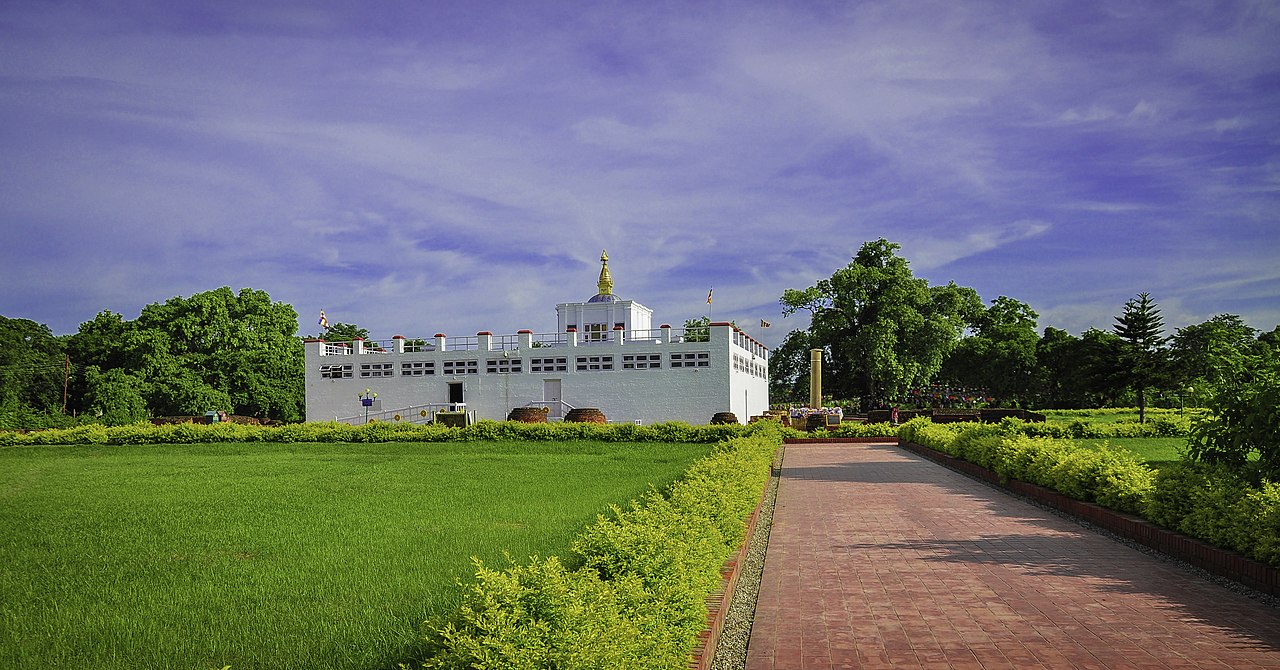
A glimpse of Lumba Sumba Pass


Overview
The Lumba Sumba Pass trek is one of the great hidden journeys of the Nepal Himalaya, a remote, mostly camping expedition through the far north-east of the country, threading a high crossing between two of Nepal's mightiest mountain regions. It forms a key link on the Great Himalaya Trail, joining the Kanchenjunga Base Camp area in the east with the Makalu Base Camp region to the west, over the Lumba Sumba Pass (around 5,160 m). Where the busier base-camp trails carry a steady stream of trekkers, here you can walk for days and meet almost no one.
The route spans the Taplejung and Sankhuwasabha districts of Koshi province, climbing the upper Tamor valley on the Kanchenjunga side, past the old Tibetan trading village of Olangchung Gola, up to the pass, then descending the wild Arun valley toward the Makalu region. It lies within the Kanchenjunga Conservation Area (KCAP) and edges the Makalu-Barun National Park, passing through forests, glacial valleys and high pastures that see only a trickle of visitors each year.
Culturally the trek is just as rich as it is scenic. The lower and middle valleys are home to Limbu communities, while the high settlements such as Olangchung Gola are Sherpa and Tibetan-influenced, with gompas, mani walls and a way of life shaped by centuries of trans-Himalayan trade with Tibet. This is one of the few places in Nepal where you still feel close to the old salt-and-wool trading routes.
Most people complete the trek in 16 to 20 days, including the eastern flights and drives to and from the trailheads. It is graded strenuous: the days are long, the logistics are camping-based, there is very little infrastructure, and the pass itself is high, exposed and committing. For experienced, self-sufficient trekkers seeking genuine wilderness rather than lodge comfort, the Lumba Sumba Pass is one of the most rewarding routes in the country.
Day-by-Day Itinerary
This is a representative Lumba Sumba Pass itinerary built around acclimatisation and the long, remote approach. Because the trek is almost entirely camping with very few teahouses, the schedule is run by an agency with a full crew, and the exact daily stages vary with weather, group fitness and trail conditions. The trek begins and ends with a flight between Kathmandu and eastern Nepal, plus long jeep drives to and from the trailheads.
Day 1: Fly Kathmandu to Bhadrapur, drive toward Taplejung
A scenic flight east to Bhadrapur in the Terai, then a long, winding jeep drive up into the hills of the Taplejung district. (Some itineraries fly directly to Taplejung's Suketar airstrip when flights are operating.)
Day 2: Drive to the Tamor valley trailhead (Suketar / Chiruwa area)
Continue by road to the roadhead in the Tamor valley, around the Suketar and Chiruwa area, where the walking begins. The approach follows the river deep into the Kanchenjunga Conservation Area.
Day 3: Trek up the Tamor valley
A long valley day climbing gently alongside the Tamor River through subtropical forest and scattered Limbu villages, with the first big peaks beginning to show ahead. (5-7 hours.)
Day 4: Continue up the Tamor toward Lelep / Gola country
Steady ascent through forest and terraced hamlets, crossing suspension bridges as the valley narrows and the culture shifts gradually from Limbu farming villages toward higher Sherpa and Tibetan-influenced country. (6-7 hours.)
Day 5: Climb toward Olangchung Gola
A demanding climbing day through dense rhododendron and pine forest, gaining height into the upper Tamor and approaching the historic trading area. (6-7 hours.)
Day 6: Reach Olangchung Gola
Arrive at Olangchung Gola, a centuries-old Tibetan trading village with an important Buddhist gompa, mani walls and stone houses, set high in the upper Tamor near the old route to Tibet. A highlight of the trek. (4-5 hours.)
Day 7: Acclimatisation day at Olangchung Gola
An essential rest and acclimatisation day before the high country. Explore the village and gompa and take a short hike higher up the valley to aid acclimatisation.
Day 8: Trek up toward the high camp below the pass
Climb above the tree line into glacial terrain of moraine, alpine meadows and tumbling streams, moving toward a high camp on the approach to the Lumba Sumba Pass. (5-7 hours.)
Day 9: Establish high camp before the pass
A shorter but high day pushing the camp closer to the pass, with big views opening across the upper valleys. Rest, hydrate and prepare for an early start on the crossing. (3-4 hours.)
Day 10: Cross the Lumba Sumba Pass (around 5,160 m)
The crux of the trek: an early, demanding crossing of the Lumba Sumba Pass (around 5,160 m), the high point linking the Kanchenjunga and Makalu watersheds, with sweeping panoramas of the surrounding Himalaya before a long descent on the Arun side to camp. Exposed to wind, snow and weather. (7-9 hours.)
Day 11: Descend into the upper Arun valley
Continue the descent off the high country, dropping through alpine pasture and moraine into the head of the Arun valley on the Makalu side, leaving the glacial zone behind. (6-7 hours.)
Days 12-14: Down the Arun valley toward Num / Tumlingtar
Follow the Arun valley downstream through forest, herders' kharkas and small villages, losing height steadily and returning to greener, warmer country as the trail edges the Makalu-Barun National Park toward the Num area. (5-7 hours each day.)
Days 15-16: Trek to the roadhead and drive to Tumlingtar
Reach the lower Arun roadhead and take a long jeep drive to Tumlingtar, the eastern airstrip town, for your final night before flying out. (Drive timings vary with road conditions.)
Day 17: Fly Tumlingtar to Kathmandu
Fly from Tumlingtar back to Kathmandu. Build in a contingency day or two at each end, as eastern flights are weather-dependent and can be delayed.
Difficulty & Fitness
The Lumba Sumba Pass trek is graded strenuous and is suited only to fit, experienced and self-sufficient trekkers. It is a serious wilderness undertaking rather than a lodge trek.
- Remoteness. This is one of the most isolated trekking regions in Nepal, with very few trekkers, little infrastructure and almost no road bailout once you are committed to the high valleys. Self-sufficiency and a strong crew are essential.
- Camping logistics. The route is mostly camping, with only a few basic teahouses on the lower sections. You depend on a full team of guide, cook and porters carrying tents, food and gear.
- Long days. Daily distances are long and the trail climbs and drops steeply between the Tamor valley, the high pass and the Arun valley, often on rough, faint paths.
- A high, committing pass. The Lumba Sumba Pass (around 5,160 m) is the high point and is exposed to wind, snow and sudden weather, with a big day and an early start to cross it safely.
- Altitude. You spend several nights at high altitude approaching and crossing the pass, so proper acclimatisation days are non-negotiable.
You should be comfortable walking 6-9 hours a day on rough trails for two to three weeks, and ideally have completed a high-altitude trek to around 5,000 m before. Train with long hill walks, stair climbs and loaded day-pack hikes for at least a couple of months beforehand, and be prepared for the discomforts of camping in cold, remote conditions.
Permits & Regulations
Because the Lumba Sumba Pass trek spans two protected areas and crosses a restricted region, the permit requirements are more involved than on the popular base-camp routes. You will typically need:
- Kanchenjunga Conservation Area (KCAP) permit, around NPR 2,000 for the Kanchenjunga side of the trek.
- Makalu-Barun National Park entry permit, around NPR 3,000, since the route descends into the Makalu region.
- Restricted-area permit (Kanchenjunga side), around USD 20 per person per week. This requires a minimum group of two trekkers (no solo trekking) and must be arranged through a registered agency.
- TIMS card (Trekkers' Information Management System), arranged through a registered trekking agency.
Because the Kanchenjunga side is a restricted area, a licensed guide is required and you cannot trek solo, you must go in a group of at least two through a registered agency. Carry your passport and several passport photos, and keep permits handy for checkpoints. Permit rules, fees and zone boundaries change from time to time, so confirm the current requirements with a registered agency or the Nepal Tourism Board before you travel.
Cost & Budget
The Lumba Sumba Pass trek is more expensive than the popular base-camp treks, mainly because of its length, remoteness, the eastern flights and drives, and the full camping crew needed to support the route.
- Guided camping package: typically around NPR 240,000-400,000 per person, depending on group size, length and standard. This generally covers the guide, cook and porters, camping equipment and food, permits, eastern flights and ground transport.
- Domestic flights: Kathmandu to Bhadrapur or Taplejung at the start and Tumlingtar to Kathmandu at the end are a significant cost and are weather-dependent.
- Permits: the Kanchenjunga Conservation Area permit (around NPR 2,000), the Makalu-Barun National Park permit (around NPR 3,000), the restricted-area permit (around USD 20 per week) and TIMS.
- On-trail spending: carry enough Nepali rupees in cash for the whole trek, there are no ATMs in this remote region, and you will need cash for extras, tips and any small purchases.
Costs climb with the length and remoteness of the route, and a generous tip for the crew carrying loads over the high pass is customary. Budget a contingency for delayed eastern flights and possible extra nights.
Best Time to Trek
There are two trekking seasons for the Lumba Sumba Pass, and the choice between them matters here because of the high, exposed pass.
- Spring (March-May) brings warming days, blooming rhododendron forests on the lower trail and generally good views, with the pass becoming more reliably crossable as winter snow clears.
- Autumn (October-November) is the most stable season: clear skies, the sharpest mountain views and firm trails after the monsoon. This is a prime window for the high crossing.
Avoid the monsoon (June-September): the lower forest is wet, slippery and thick with leeches, landslides are a risk on the rough roads and trails, and cloud hides the mountains. Winter (December-February) is generally too cold and snowy on the high pass for most trekkers, with the Lumba Sumba Pass often snow-blocked. For the best balance of weather, views and safety, plan for spring or autumn.
Packing, Safety & Tips
Acclimatisation
With several nights at high altitude approaching and crossing a pass of around 5,160 m, altitude sickness is a real risk. Keep the built-in acclimatisation day (for example at Olangchung Gola), ascend slowly, stay hydrated, avoid alcohol high up, and watch for headache, nausea and dizziness. If symptoms worsen, descend, and remember that on this remote route descent and rescue both take far longer than on busier trails.
Gear & packing
Pack as you would for a high, cold camping trek: a warm sleeping bag rated well below freezing, an insulated sleeping mat, a good down jacket, layered clothing, sturdy broken-in boots, trekking poles, sun and snow protection, gaiters and a headlamp. Because there is virtually no infrastructure, bring a reliable water-purification method, basic snacks and a first-aid kit including blister care and altitude medication discussed with your doctor. For the wet lower forest in shoulder seasons, pack leech protection and waterproofs.
Communications & money
Phone signal is patchy to non-existent for much of the trek, so many groups carry a satellite phone or communication device for emergencies. There are no ATMs in the region, so carry enough cash for the entire trek plus a buffer for flight delays.
Safety & insurance
Buy comprehensive travel insurance that explicitly covers trekking to at least 5,200 m and includes helicopter evacuation, a rescue from these remote valleys is both essential and expensive without cover. Trek with a licensed guide and a competent crew who know the pass and the weather, keep contingency days for flight delays, and stay weather-aware on the exposed Lumba Sumba crossing.
Combining with other treks
The Lumba Sumba Pass is itself a connecting route on the Great Himalaya Trail, so it pairs naturally with the regions at either end. Strong, experienced trekkers sometimes extend it with a side trip toward Kanchenjunga Base Camp at the eastern end, or link the descent into the Makalu Base Camp region to the west. For most people, though, it is a serious standalone expedition best taken on after building up through other high-altitude treks. Base yourself in Kathmandu before and after to arrange permits, flights and gear with your agency.
Altitude Sickness (AMS) & Trek Safety
The Lumba Sumba Pass trek climbs to 5,160 m, well into the zone where acute mountain sickness (AMS) is a serious, potentially fatal risk, careful acclimatisation is non-negotiable. This section covers how to recognise altitude sickness, prevent it, prepare physically, and stay insured, it is general guidance, not medical advice.
Recognise the symptoms
| Level | Signs | What to do |
|---|---|---|
| Mild AMS | Headache, nausea or loss of appetite, dizziness, fatigue, broken sleep. | Stop ascending, rest, hydrate. Do not go higher until symptoms clear; descend if they do not. |
| Severe, HAPE (lungs) | Breathlessness at rest, persistent cough, frothy or pink spit, chest tightness, blue lips. | Descend immediately and treat as a medical emergency, arrange evacuation. |
| Severe, HACE (brain) | Confusion, clumsiness or loss of balance, crushing headache, drowsiness, hallucinations. | Descend immediately, HACE is life-threatening within hours. Evacuate. |
Prevent it: the golden rules
- Ascend slowly. Above 3,000 m, raise your sleeping altitude by no more than ~300–500 m per day and take the built-in acclimatisation days.
- Climb high, sleep low. Day-hike higher, then come back down to sleep.
- Hydrate (3–4 litres/day), eat well, and avoid alcohol, sleeping pills and smoking at altitude.
- Never ascend with AMS symptoms, and descend at once if they worsen, going down is the only reliable cure.
- Consider acetazolamide (Diamox) as a preventive/treatment aid, but only after discussing it with your doctor.
Get trek-fit
Start training 6–8 weeks out: build aerobic base with running, cycling or brisk hill walking 3–4 times a week; add stair and hill repeats carrying a loaded daypack (6–8 kg) to ready your legs for long descents; and finish with a couple of back-to-back long hiking days to rehearse multi-day fatigue. Strong quads and good cardio make altitude far more manageable.
Insurance & evacuation
Buy travel insurance that explicitly covers trekking up to 5,160 m and helicopter evacuation, a rescue from altitude is essential and very expensive without cover. Carry your policy number and your operator’s emergency contact, and keep the booking details of any guide with you.
Lumba Sumba Pass: specific hazards
The 5,160 m pass is crossed in true wilderness with no quick exit, only attempt it in settled weather with a satellite communicator and experienced crew.
Frequently Asked Questions
How many days does the Lumba Sumba Pass trek take?
The Lumba Sumba Pass trek usually takes 16 to 20 days, including the flights and long drives between Kathmandu and eastern Nepal. The exact length depends on the chosen route, the weather and how many acclimatisation and flight-contingency days you build in.
How hard is the Lumba Sumba Pass trek?
It is graded strenuous and is best for fit, experienced, self-sufficient trekkers. The route is very remote with long days, mostly camping logistics, little infrastructure and few teahouses, and crosses a high, exposed pass of around 5,160 m, making it tougher than the popular base-camp treks.
How high is the Lumba Sumba Pass?
The Lumba Sumba Pass sits at around 5,160 metres and is the high point of the trek. It links the upper Tamor valley on the Kanchenjunga side with the Arun valley on the Makalu side, connecting two of Nepal's great mountain regions.
What permits do I need for the Lumba Sumba Pass trek?
Because the route spans two protected areas and a restricted region, you typically need a Kanchenjunga Conservation Area permit (around NPR 2,000), a Makalu-Barun National Park permit (around NPR 3,000), a restricted-area permit for the Kanchenjunga side (around USD 20 per week, group of two or more, no solo) and a TIMS card. A licensed guide is required. Confirm current rules with a registered agency.
How much does the Lumba Sumba Pass trek cost?
A guided camping expedition typically costs around NPR 240,000-400,000 per person, reflecting the length, remoteness, eastern flights and full crew of guide, cook and porters. The package usually covers permits, camping equipment, food, transport and flights, but carry extra cash, as there are no ATMs in the region.
What is the best time to trek the Lumba Sumba Pass?
The best times are spring (March-May) for warming days and rhododendron blooms and autumn (October-November) for the clearest, most stable weather. Avoid the monsoon for rain, leeches and landslides, and winter, when the high pass is often snow-blocked.
Do I need a guide for the Lumba Sumba Pass trek?
Yes. The Kanchenjunga side is a restricted area, so a licensed guide is required and solo trekking is not allowed, you must go in a group of at least two through a registered agency. The remoteness and camping logistics mean everyone treks with a full crew anyway.
Can I trek the Lumba Sumba Pass solo?
No. The route crosses the restricted Kanchenjunga area, where solo trekking is prohibited. You need a minimum group of two trekkers, a licensed guide and arrangements through a registered agency, with the appropriate restricted-area and conservation permits.
How do I get to the start of the Lumba Sumba Pass trek?
You typically fly from Kathmandu to Bhadrapur or Taplejung in eastern Nepal, then drive to the Tamor valley trailhead around the Suketar and Chiruwa area to begin walking. The trek ends with a drive to Tumlingtar and a flight back to Kathmandu. Flights are weather-dependent, so build in contingency days.
Are there teahouses on the Lumba Sumba Pass trek?
There are only a few basic teahouses on the lower sections; the trek is mostly camping. You depend on a full crew carrying tents, food and gear, and should be prepared for limited comforts, simple meals and cold nights in remote country.
What will I see on the Lumba Sumba Pass trek?
You pass through the upper Tamor and Arun valleys within the Kanchenjunga Conservation Area and the edge of the Makalu-Barun National Park, with forests, glaciers and high pastures, sweeping Himalayan panoramas from the pass, and the historic Tibetan trading village of Olangchung Gola with its gompa and mani walls.
Is altitude sickness a risk on the Lumba Sumba Pass trek?
Yes. You spend several nights at high altitude and cross a pass of around 5,160 m, so altitude sickness is a genuine risk. Keep your acclimatisation days, ascend slowly, stay hydrated, and descend if symptoms worsen, remembering that evacuation from this remote area takes much longer than on busier trails.
How does the Lumba Sumba Pass trek compare to Kanchenjunga or Makalu Base Camp?
The Lumba Sumba Pass is the high link between the two: it is even more remote and less travelled, almost entirely camping, and built around crossing a single high pass rather than reaching a base camp. It suits trekkers who have already done routes like Kanchenjunga or Makalu Base Camp and want a wilder traverse.
Is the Lumba Sumba Pass trek suitable for beginners?
No. The remoteness, camping logistics, long days, high pass and altitude make it unsuitable as a first Himalayan trek. It is best for experienced trekkers who have already completed a high-altitude trek to around 5,000 m, such as Kanchenjunga or Makalu Base Camp.
Compare with Other Nepal Treks
How Lumba Sumba Pass stacks up against other popular Nepal treks, at a glance, to help you choose and plan.
| Trek | Difficulty | Max Altitude | Duration | Best Season | Region |
|---|---|---|---|---|---|
| Lumba Sumba PassThis trek | 🔴 Strenuous | 5,160 m | 16–20 days | Mar–May & Oct–Nov | Taplejung–Sankhuwasabha, Koshi |
| Kanchenjunga Base Camp | 🔴 Strenuous | 5,140 m | 20–24 days | Mar–May & Sep–Nov | Taplejung, Koshi |
| Makalu Base Camp | 🔴 Strenuous | 4,870 m | 18–22 days | Mar–May & Sep–Nov | Makalu-Barun, Koshi |
Why these grades?
Lumba Sumba Pass 🔴 Strenuous, A remote, mostly camping far-eastern trek crossing the 5,160 m Lumba Sumba pass between the Tamor and Arun valleys to link the Kanchenjunga and Makalu regions, long wild days and little infrastructure, for experienced, self-sufficient trekkers.
Kanchenjunga Base Camp 🔴 Strenuous, A 20–24 day restricted-area expedition to 5,140 m at Pangpema, with very long remote days, basic or camping logistics and a high pass linking the north and south base camps, for experienced trekkers.
Makalu Base Camp 🔴 Strenuous, Remote and rugged: it reaches 4,870 m via two high passes (Shipton La and Keke La), with long days, sparse basic teahouses and several nights above 4,000 m, best after a previous Himalayan trek.
Reviews & Ratings
No reviews yet. Be the first to share your experience of Lumba Sumba Pass!
Official sources
Fees and rules on this page come from the bodies that set them. They do change, sometimes mid-season, so check the primary source before you pay anything.
- Trekking Agencies' Association of Nepal TIMS card rules & feeswww.taan.org.np
- Dept. of National Parks & Wildlife Conservation National park & conservation area entry feesdnpwc.gov.np
By the BriefNepal Travel Desk
Researched and maintained by our Nepal-based editorial team and reviewed for accuracy. Last updated September 3, 2026. Prices, permits and conditions change, always verify before you travel. Spotted something out of date? Let us know.
Nepal Trip Planning Tools
Estimate your costs and trekking permits in seconds, built on real, current Nepali prices.
💰 Trip Cost Calculator
🎫 Trek Permit Calculator
Estimates only, fees and prices change with season and policy. Confirm with a registered agency and the Nepal Tourism Board before you travel.
Nepal Currency Converter
Live exchange rates for the Nepalese Rupee (NPR) against every world currency, handy for budgeting the prices in our guides.
Live mid-market rates. For information only, banks and exchanges apply their own margins.
Planning a trip to Nepal?
Join the BriefNepal Travel list for seasonal tips, new guides and our free Nepal trip-planning checklist. No spam, unsubscribe anytime.
Explore More of Nepal
 Kanchenjunga Base CampA remote trek to both base camps of the world's third-highest peak.
 Makalu Base CampA remote, wild trek to the foot of the world's fifth-highest peak.
 Everest Three PassesThe ultimate Khumbu loop over Kongma La, Cho La and Renjo La.
 KathmanduLiving temples, medieval squares and the gateway to Nepal.