


Janakpur Travel Guide
The cultural capital of the Mithila region and the legendary birthplace of Sita, where the magnificent Janaki Mandir, sacred ponds and living Mithila art make Janakpur one of Nepal's great pilgrimage cities.
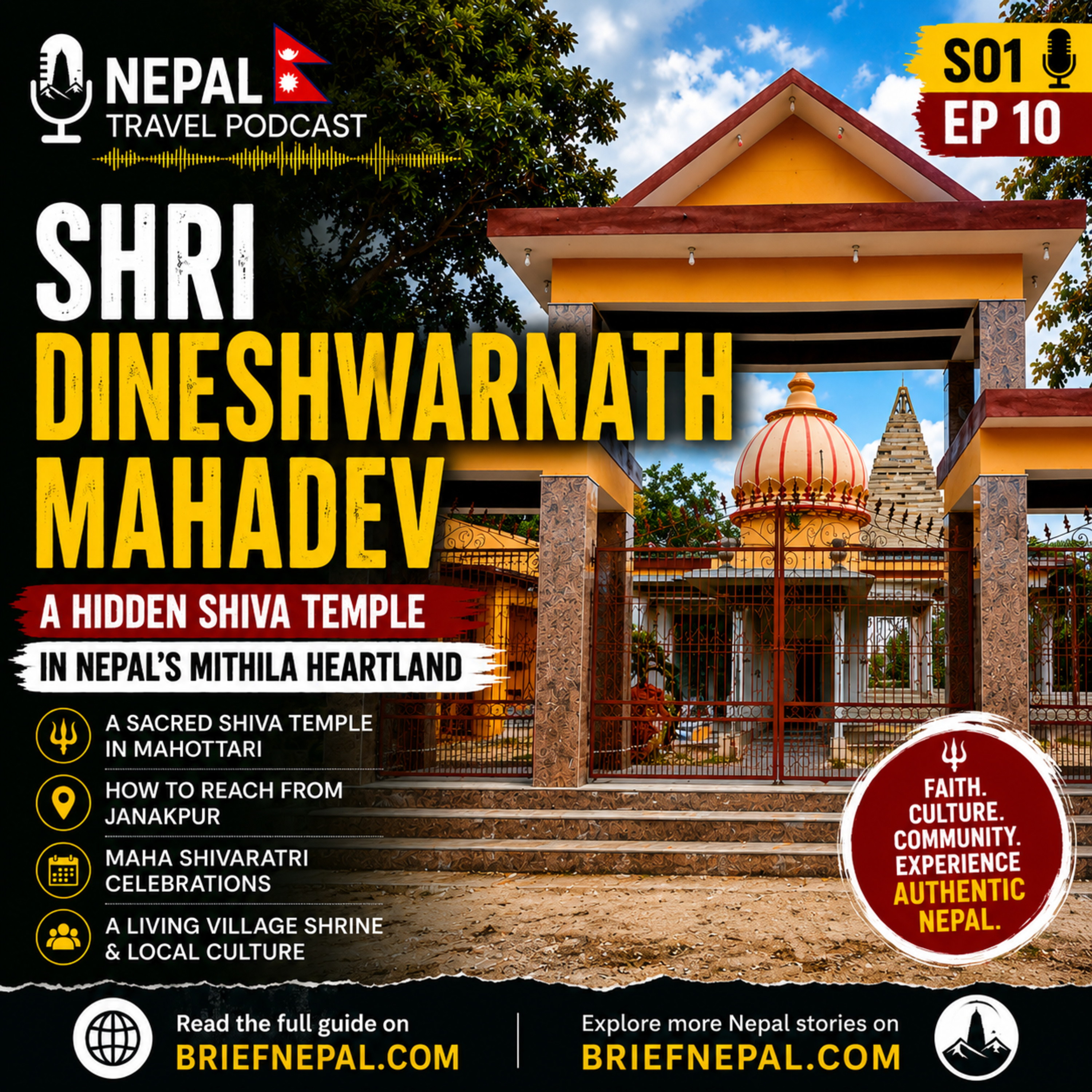
What happens when you leave Nepal’s famous tourist trails and discover a living temple deeply connected to the local community?In this episode of Nepal Travel Podcast, we…
▶ Listen on SpotifyShow notes & transcript →Follow the show →
🎧 Also on Apple Podcasts Castbox iHeartRadio
A glimpse of Janakpur


Introduction
Janakpur, formally Janakpurdham, is the cultural capital of the Mithila region and one of the most important Hindu pilgrimage cities in Nepal. It lies in Dhanusha district in Madhesh Province, deep in the flat, fertile Terai plains of the south at only about 78 m above sea level, close to the Indian border. This is the ancient city of King Janak, and in the Ramayana it is revered as the birthplace of Sita (Janaki) and the place where she married Lord Ram, a story that gives Janakpur a sacred status felt by Hindus across Nepal and India.
For travellers, Janakpur offers something quite different from Nepal's mountains and trekking towns: a warm, low-lying plains city steeped in devotion, folk art and legend. Its centrepiece is the magnificent Janaki Mandir →, a huge marble temple built in 1910 in an ornate Mughal-Rajput style, surrounded by the Ram Mandir, the Vivah Mandap that marks Ram and Sita's wedding, and dozens of sacred ponds. Around it thrives the living tradition of Mithila (Madhubani) painting, the bold, brightly coloured folk art for which the region is famous.
Most visitors spend one to two days here, enough to see the great temple, walk between the sacred ponds, watch Mithila artists at work and soak up the unhurried rhythm of a plains pilgrimage town. Janakpur pairs naturally with a wider Nepal trip taking in Kathmandu → and the Buddhist birthplace of Lumbini →, completing a journey through the country's great spiritual heartlands. This guide covers the top sights, the best time to visit, how to get here, what things cost, where to eat and sleep, and the practical tips to make the most of your stay.
Top Attractions
Janaki Mandir
The crowning glory of Janakpur and one of Nepal's most spectacular temples, the Janaki Mandir is a vast three-storey marble structure built in 1910 in an ornate fusion of Mughal and Rajput (Koiri/Hindu) palace architecture. Dedicated to Sita (Janaki), it stands on the spot where, by tradition, a golden image of the goddess was discovered. Its domes, arches and latticed courtyards draw pilgrims and travellers from across Nepal and India. For the full history, architecture and worship details, see our dedicated Janaki Mandir → guide.
Ram Mandir & Vivah Mandap
A short walk from the Janaki Mandir, the Ram Mandir is one of the oldest temples in Janakpur, built in a more traditional pagoda style and dedicated to Lord Ram. Beside it stands the Vivah Mandap, the ornate pavilion that marks the spot where, in the Ramayana, Ram and Sita were married. During the Vivaha Panchami festival the marriage is re-enacted here with great ceremony, and the mandap is busy with worshippers and wedding rituals year-round.
Ganga Sagar & Dhanush Sagar
Janakpur is a city of sacred ponds, and the twin tanks of Ganga Sagar and Dhanush Sagar are the most revered, set close together near the heart of the old city. Pilgrims gather at their bathing ghats for ritual ablutions, especially during festivals, and the ponds are particularly atmospheric at dawn and dusk when lamps are floated on the water. They are among dozens of sagars and kundas (ponds) scattered across Janakpur, each with its own legend.
Mithila Art & the Women's Development Centre
Janakpur is the living heart of the Mithila (Madhubani) folk-art tradition, the bold, intricate paintings of gods, weddings, peacocks and lotus motifs that women of the region have painted on walls and floors for centuries. The Janakpur Women's Development Centre, on the edge of town, supports local women artists who create paintings, papier-mâché and ceramics in the Mithila style. It is the best place to watch the art being made, learn its symbolism and buy authentic pieces directly from the artists.
Janakpur Railway
Janakpur is home to one of Nepal's historic railway links, the line that runs south toward Jaynagar across the Indian border and onward toward Bardibas. For decades the narrow-gauge train was a beloved local institution; the modern broad-gauge service that replaced it carries pilgrims and commuters between Nepal and India. A short ride is a memorable, very local way to experience the Terai plains and the everyday life of the Mithila countryside.
Dhanushadham
About 20 km northeast of the city, Dhanushadham is the site associated in the Ramayana with the broken bow (dhanush) of Lord Shiva, the bow Ram lifted and broke to win Sita's hand. A fragment of sacred stone said to be part of the bow is venerated here, set in a quiet forested temple complex. It makes a popular and peaceful half-day pilgrimage trip out of Janakpur, especially around the festival season.
The Sacred Ponds Trail
Beyond Ganga Sagar and Dhanush Sagar, Janakpur is dotted with sacred ponds, including Argaja, Ratna Sagar and Maharaj Sagar among many others, that ring the old city and give it the feel of a temple town floating among water tanks. Walking or cycling between them is a gentle way to take in everyday Janakpur: the morning rituals, the flower and sweet sellers, the painted Mithila houses and the steady flow of pilgrims through the lanes.
Bihar Kund & Old City Bazaar
The lanes around the Janaki Mandir form a colourful, crowded bazaar where pilgrims buy garlands, vermilion, conch shells, religious prints and Mithila handicrafts. Tucked among them are smaller shrines and ponds such as Bihar Kund. Exploring the old city on foot, past the painted walls, the sweet shops and the temple courtyards, is one of the most rewarding things to do in Janakpur, offering an unhurried glimpse of one of Nepal's most devout and distinctive towns.
History
Janakpur's story reaches back into legend. It takes its name from King Janak, the wise philosopher-king who, in the Ramayana, ruled the kingdom of Mithila from a capital identified with this site. It was here, the epic tells, that his daughter Sita, also called Janaki, "daughter of Janak", was born, and here that the great swayamvara was held in which Lord Ram strung and broke Shiva's mighty bow to win her hand in marriage. For Hindus, Janakpur is therefore one of the most sacred places associated with the Ramayana, on a par with Ayodhya, Ram's own birthplace, across the border in India.
The Mithila region of which Janakpur is the heart was a celebrated centre of learning and culture in ancient times, renowned for its scholars, philosophy and the distinctive Maithili language still widely spoken across the area today. Over the centuries the sacred ponds, shrines and pilgrimage routes that define the modern city grew up around these legends, drawing devotees from across the Gangetic plains.
The city's most famous landmark, the Janaki Mandir, is comparatively recent: it was built in 1910, funded by an Indian queen, on the spot where a golden idol of Sita is said to have been found. Its grand marble architecture, blending Mughal and Rajput palace styles, transformed Janakpur's skyline and confirmed its status as a major pilgrimage destination. In the 20th century the town also gained Nepal's pioneering railway link toward the Indian town of Jaynagar, tying it closely to the cross-border flow of pilgrims and trade.
Today Janakpur is a busy provincial city and the seat of Madhesh Province, blending its ancient sacred identity with the everyday life of the Terai plains. Its Mithila art, its festivals and its temples keep the legends of Janak and Sita vividly alive, making it one of the cultural strongholds of southern Nepal.
Things to Do
Janakpur rewards slow, on-foot exploration: a compact old city of temples, painted houses and sacred ponds where the everyday and the sacred blend seamlessly. Here are the experiences worth building into a day or two:
- Visit the Janaki Mandir. Spend time at the city's magnificent 1910 marble temple, ideally during morning or evening aarti when it is at its most atmospheric, see our full Janaki Mandir → guide.
- See the Ram Mandir and Vivah Mandap. Walk to the older Ram temple and the pavilion that marks the legendary marriage of Ram and Sita.
- Walk the sacred ponds. Visit Ganga Sagar and Dhanush Sagar and wander between the many other sagars and kundas ringing the old city, watching the dawn and dusk rituals at the ghats.
- Discover Mithila art. Visit the Janakpur Women's Development Centre to watch artists at work, learn the symbolism of Mithila painting and buy authentic pieces.
- Ride the Janakpur railway. Take a short, very local train journey across the Terai plains toward Jaynagar or Bardibas for a slice of everyday Madhesh life.
- Make a trip to Dhanushadham. Head out to the forest shrine linked to Shiva's broken bow, a peaceful half-day pilgrimage from the city.
- Cross into Mahottari for the village shrines. About 20 km west, Manara Mahadev Mandir and, beyond it, Jaleshwar Mahadev show you how Shiva is worshipped in the Maithil countryside rather than at a monument.
- Explore the old city bazaar. Lose yourself in the lanes around the Janaki Mandir, busy with garland, sweet and handicraft sellers and dotted with smaller shrines.
- Time your visit for a festival. If you can, come for Vivaha Panchami (Nov/Dec), when the Ram-Sita wedding is re-enacted, or Ram Navami, when the city fills with pilgrims and processions.
Best Time to Visit
The best time to visit Janakpur is October to March, the cool, dry season in the Terai. During these months daytime temperatures are pleasant and comfortable for walking the temples and ponds, the skies are generally clear, and the humidity that defines the plains for much of the year is at its lowest. Winter mornings can be cool and misty, so carry a light layer for early temple visits, but days are mostly warm and sunny.
April to June is the hot, pre-monsoon season, when the Terai becomes very hot and dry, with temperatures often soaring, uncomfortable for sightseeing in the open. The monsoon (roughly June to September) brings heavy rain and high humidity to the plains; the countryside turns lush and green, but downpours, mud and sticky heat can make travel and walking around the city harder going.
The great cultural highlight is Vivaha Panchami, usually in November or December, when Janakpur celebrates the marriage of Ram and Sita with an elaborate re-enactment, processions and huge crowds of pilgrims, an extraordinary time to be in the city, though accommodation is in high demand. Ram Navami (spring) is another major occasion. If you want quieter temples and easy weather, aim for the cooler months outside the main festivals.
How to Reach Janakpur
By air
The quickest route from the capital is a domestic flight from Kathmandu to Janakpur, taking only about 25 minutes. Several airlines operate flights, and the short hop saves the long overland journey across the hills to the plains. Janakpur's airport sits close to the city, a short taxi or auto-rickshaw ride from the temples.
By road
Overland, Janakpur is reached via the East–West (Mahendra) Highway that runs the length of the Terai. Tourist and express buses from Kathmandu take roughly 7–9 hours, descending from the hills onto the plains; services also run from other Terai cities and the eastern border points. A private car or jeep covers the same route in a similar time with stops. The descent from the hills onto the flat Terai is scenic, though the highway can be slow during festivals or roadworks, so allow buffer time.
By rail
Janakpur has a historic railway link running south toward Jaynagar, just across the border in India, and onward toward Bardibas, the legacy of Nepal's first railway. For travellers arriving from India, the cross-border train is a characterful way to reach the city.
Getting around Janakpur
The old city is compact and best explored on foot, with the Janaki Mandir, Ram Mandir, Vivah Mandap and the main ponds all within easy walking distance of one another. For longer trips, to the airport, the railway station or out to Dhanushadham, use auto-rickshaws, cycle-rickshaws or taxis, agreeing the fare before you set off. Cycle-rickshaws are a pleasant, slow way to move between the ponds and temples.
Budget Guide
Janakpur is an inexpensive destination, with plains-town prices well below Nepal's main tourist hubs. Approximate daily costs per person (2026 estimates, in Nepali rupees):
| Travel style | Per day | What it covers |
|---|---|---|
| Backpacker | NPR 2,000–3,500 | Guesthouse room, local Maithili food, rickshaw rides, temple visits |
| Mid-range | NPR 4,500–8,500 | Comfortable city hotel, mix of local and tourist food, taxis, a Mithila art purchase |
| Comfort | NPR 10,000+ | Best available hotel, private car for day trips, guided temple and art tours |
Typical prices: a thali or dal bhat set NPR 200–450; local sweets and snacks NPR 50–200; a budget room NPR 800–1,800; a comfortable double NPR 2,500–6,000; an auto-rickshaw hop across town NPR 100–300; a short railway ride a few rupees to a couple of hundred. Entry to the Janaki Mandir and most temples is free, though donations are welcome and there may be small charges for camera use or special access. Mithila paintings and handicrafts vary widely in price depending on size and detail, buying directly from artists at the Women's Development Centre supports the makers. Carry cash, as many vendors, rickshaws and small hotels don't take cards; ATMs are available in the city. Janakpur's biggest costs are usually transport to and from the city and accommodation during the Vivaha Panchami festival, when rooms are scarce and prices rise.
Food & Where to Eat
Janakpur's food reflects its Mithila and Terai roots, with a cuisine closely related to that of neighbouring Bihar in India. The everyday staple is a thali or dal bhat, rice with lentils, vegetable curries and pickle, but the region is especially known for its plains specialities: bhujiya and other fried snacks, fish (a local favourite, given the many ponds and rivers), and a rich array of sweets such as peda, khaja and milk-based desserts sold in the bazaar shops around the temples.
Around the Janaki Mandir and the old city bazaar you will find simple local eateries, sweet shops and snack stalls serving freshly fried treats, samosas, jalebi and chai, perfect for grazing between temple visits. For a more substantial meal, the city's hotels and a handful of restaurants offer both Nepali-Maithili thalis and standard Nepali-Indian menus. As a devout pilgrimage city, Janakpur has plenty of pure-vegetarian options, especially near the temples.
Don't leave without trying the local sweets, which are a point of regional pride, and a cup of strong, sweet Terai-style milk tea. During festivals the bazaar overflows with special foods and treats made for the occasion.
Food safety: drink bottled, filtered or treated water rather than tap or untreated ice, choose freshly cooked hot food from busy stalls, and be a little cautious with raw salads and cut fruit. The Terai heat means food can spoil quickly, so favour places with high turnover.
Hotels & Accommodation
As a busy pilgrimage city, Janakpur has a good range of hotels and guesthouses, most of them clustered in the city centre within easy reach of the Janaki Mandir and the main ponds. Standards run from simple pilgrim lodges to comfortable mid-range hotels with air-conditioning, a real consideration in the hot Terai months.
- Budget (NPR 800–1,800): simple guesthouses and pilgrim lodges near the temples, plain but convenient and very cheap.
- Mid-range (NPR 2,500–6,000): comfortable city hotels with en-suite rooms, hot water, air-conditioning and on-site restaurants, the best choice for most visitors.
- Higher-end (NPR 8,000+): the city's better hotels, offering more comfort, reliable AC and services, ideal for those wanting an easier stay.
Because the temples and ponds are concentrated together, staying in or near the city centre lets you walk to most sights. Book well ahead for the Vivaha Panchami festival (Nov/Dec) and other major occasions, when pilgrims fill the city and rooms sell out quickly at higher prices. In the hot season, confirm that your room has working air-conditioning or at least a reliable fan.
Travel Tips
- Respect temple etiquette. Dress modestly, remove shoes before entering shrines, and ask before photographing worshippers or inside temple sanctums.
- Visit at aarti time. The Janaki Mandir is most atmospheric during morning and evening prayers, plan your temple visits around them.
- Carry small cash. Rickshaws, sweet shops, stalls and small hotels are largely cash-only; keep small notes for rides, snacks and donations.
- Beat the heat. Outside winter the Terai is very hot, sightsee in the cooler early morning and evening, carry water and sunscreen, and choose AC accommodation in summer.
- Buy Mithila art at the source. Purchasing paintings and handicrafts directly from the Women's Development Centre or local artists supports the makers and ensures authenticity.
- Agree rickshaw and taxi fares first. Meters are not used, so negotiate the price before you set off, and consider hiring a vehicle for day trips like Dhanushadham.
- Time it around a festival, or avoid the crush. Vivaha Panchami is unforgettable but extremely crowded; if you prefer quiet temples and easy logistics, visit in the cooler months outside the big festivals.
- Mind the border. Janakpur is close to India and linked by rail to Jaynagar; if you plan to cross, carry your passport and check current visa and entry requirements in advance.
- SIM & connectivity. Buy an Ncell or Nepal Telecom SIM with your passport and load a data pack; coverage in the city is good.
- Stay hydrated and modest. As a conservative, devout city, modest dress is appreciated everywhere, and the plains heat makes regular water breaks essential.
Frequently Asked Questions
How many days do you need in Janakpur?
One to two days is enough to see Janakpur's main highlights: the Janaki Mandir, the Ram Mandir and Vivah Mandap, the sacred ponds of Ganga Sagar and Dhanush Sagar, and the Mithila art at the Women's Development Centre. Add an extra half-day for a trip out to Dhanushadham or a ride on the Janakpur railway.
What is Janakpur famous for?
Janakpur is famous as the cultural capital of the Mithila region and, in the Ramayana, the birthplace of Sita (Janaki) and the place where she married Lord Ram. Its great landmark is the magnificent 1910 marble Janaki Mandir, and the city is also renowned for its sacred ponds and its living Mithila (Madhubani) folk-art tradition.
Why is Janakpur important to Hindus?
Janakpur is one of the most sacred Hindu pilgrimage cities because it is revered as the birthplace of Sita and the home of King Janak, and as the site where Ram and Sita were married in the Ramayana. Pilgrims come from across Nepal and India, especially for the Vivaha Panchami festival that re-enacts the divine wedding.
Is Janakpur the same as the Janaki Mandir?
No. Janakpur (Janakpurdham) is the whole pilgrimage city in the southern Terai, while the Janaki Mandir is its most famous temple, a huge 1910 marble shrine dedicated to Sita. The city also includes the Ram Mandir, the Vivah Mandap, dozens of sacred ponds and the Mithila art centres. See our dedicated Janaki Mandir guide for the temple itself.
What is the best time to visit Janakpur?
The best time to visit Janakpur is October to March, when the Terai is cool and dry and comfortable for sightseeing. April to June is very hot, and the monsoon (June to September) is hot and wet. The Vivaha Panchami festival in November or December is the great cultural highlight, though the city is very crowded then.
How do I get to Janakpur from Kathmandu?
You can fly from Kathmandu to Janakpur in about 25 minutes, or travel overland by tourist or express bus in roughly 7 to 9 hours along the East–West Highway across the Terai. A private car or jeep takes a similar time by road. Janakpur is also connected by a historic railway link to Jaynagar across the Indian border.
What is Vivaha Panchami?
Vivaha Panchami is Janakpur's biggest festival, usually held in November or December, celebrating the marriage of Ram and Sita with an elaborate re-enactment, processions and huge crowds of pilgrims at the Janaki Mandir and Vivah Mandap. It is the most spectacular time to visit, though accommodation is scarce and prices rise.
What is Mithila art and where can I see it in Janakpur?
Mithila (or Madhubani) art is the bold, brightly coloured folk painting tradition of the region, depicting gods, weddings and nature motifs that women have painted for centuries. In Janakpur you can watch artists at work and buy authentic pieces at the Janakpur Women's Development Centre, which supports local women artists.
What are the sacred ponds of Janakpur?
Janakpur is a city of sacred ponds, the most revered being the twin tanks of Ganga Sagar and Dhanush Sagar near the old city. Dozens of other sagars and kundas are scattered through the town, each with its own legend, and pilgrims gather at their ghats for ritual bathing, especially during festivals.
Is there a train in Janakpur?
Yes. Janakpur is home to a historic railway link, the legacy of Nepal's first railway, running south toward Jaynagar across the Indian border and onward toward Bardibas. A short ride is a memorable, very local way to experience the Terai plains and is also a route used by cross-border pilgrims.
Where should I stay in Janakpur?
Most visitors stay in the city centre, within walking distance of the Janaki Mandir and the main ponds. Options range from simple budget guesthouses and pilgrim lodges to comfortable mid-range hotels with air-conditioning, which is well worth having outside the cool winter months. Book ahead for Vivaha Panchami.
What food should I try in Janakpur?
Try the local Mithila and Terai cuisine: thali and dal bhat sets, fish, fried snacks like bhujiya and samosas, and the region's famous milk-based sweets such as peda and khaja sold around the temples. As a devout city, Janakpur also has plenty of pure-vegetarian food and excellent sweet, milky Terai chai.
Is Janakpur worth visiting?
Yes, especially if you are interested in Hindu culture, pilgrimage and folk art. Janakpur offers a very different side of Nepal from the mountains, a warm plains city of magnificent temples, sacred ponds and living Mithila art, and pairs well with Lumbini and Kathmandu for a journey through the country's great spiritual centres.
How hot does Janakpur get?
Janakpur sits in the low Terai plains at only about 78 m, so it gets very hot in the pre-monsoon months of April to June and remains hot and humid through the monsoon. The cool, dry season from October to March is far more comfortable for sightseeing, with pleasant days and cool, sometimes misty, mornings.
Can I visit Dhanushadham from Janakpur?
Yes. Dhanushadham, the forest shrine associated with the broken bow of Shiva from the Ramayana, lies about 20 km northeast of Janakpur and makes a popular peaceful half-day trip by hired vehicle or rickshaw, especially during the festival season.
Reviews & Ratings
No reviews yet. Be the first to share your experience of Janakpur!
Official sources
Fees and rules on this page come from the bodies that set them. They do change, sometimes mid-season, so check the primary source before you pay anything.
- Department of Immigration Nepal visa on arrival, fees & extensionswww.immigration.gov.np

By the BriefNepal Travel Desk
Researched and maintained by our Nepal-based editorial team and reviewed for accuracy. Last updated September 3, 2026. Prices, permits and conditions change, always verify before you travel. Spotted something out of date? Let us know.
Nepal Currency Converter
Live exchange rates for the Nepalese Rupee (NPR) against every world currency, handy for budgeting the prices in our guides.
Live mid-market rates. For information only, banks and exchanges apply their own margins.
Planning a trip to Nepal?
Join the BriefNepal Travel list for seasonal tips, new guides and our free Nepal trip-planning checklist. No spam, unsubscribe anytime.
Explore More of Nepal
 Janaki MandirThe birthplace of Sita and a marble marvel in Janakpur.
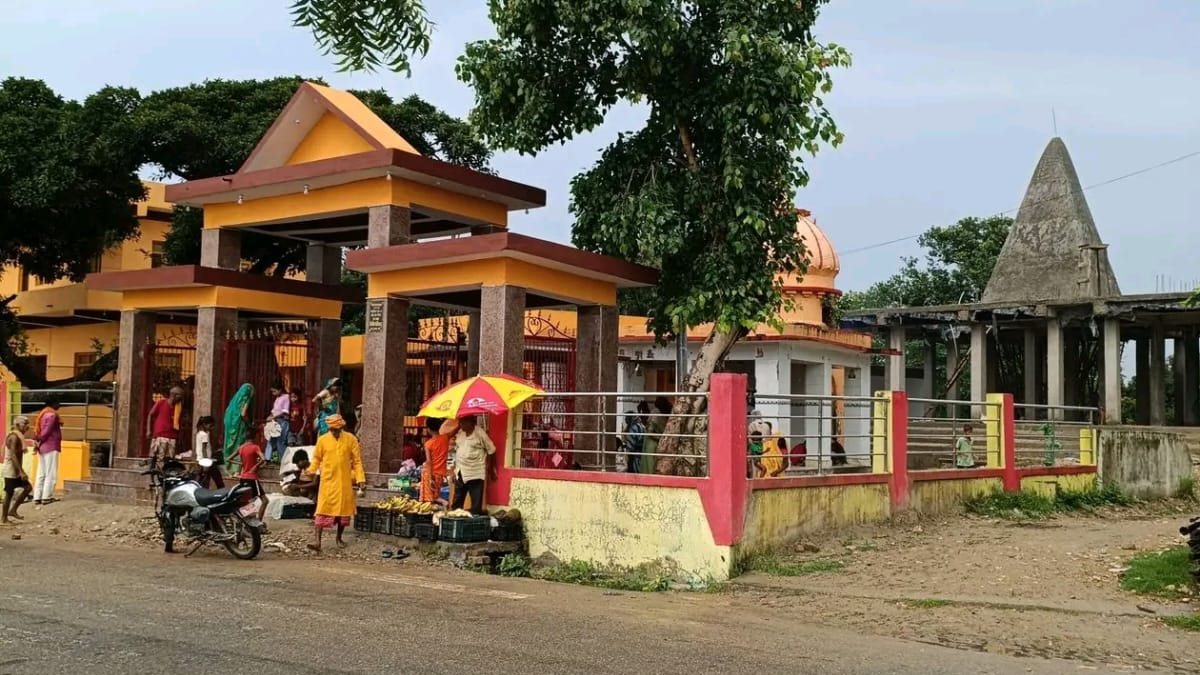 Manara MahadevA living village Shiva shrine in the Maithil Terai, half an hour from Janakpur.
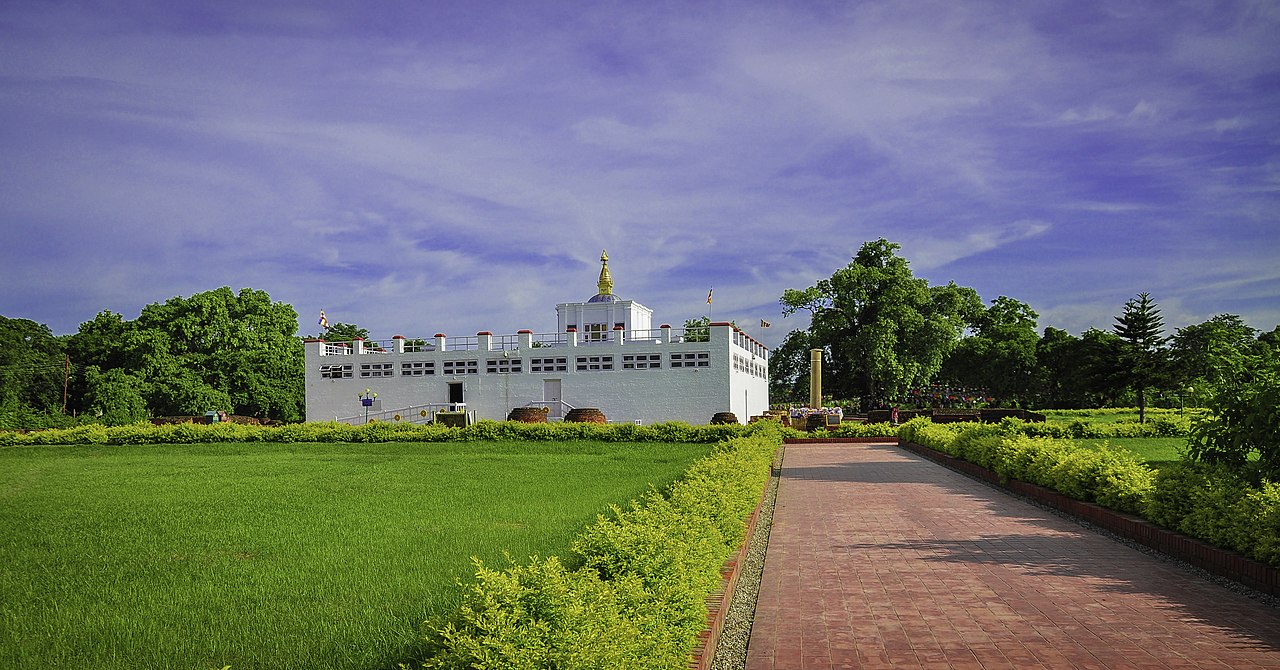 LumbiniThe birthplace of Lord Buddha and a UNESCO World Heritage Site.
 KathmanduLiving temples, medieval squares and the gateway to Nepal.
 ChitwanJungle safaris, one-horned rhinos and the wild Terai.