


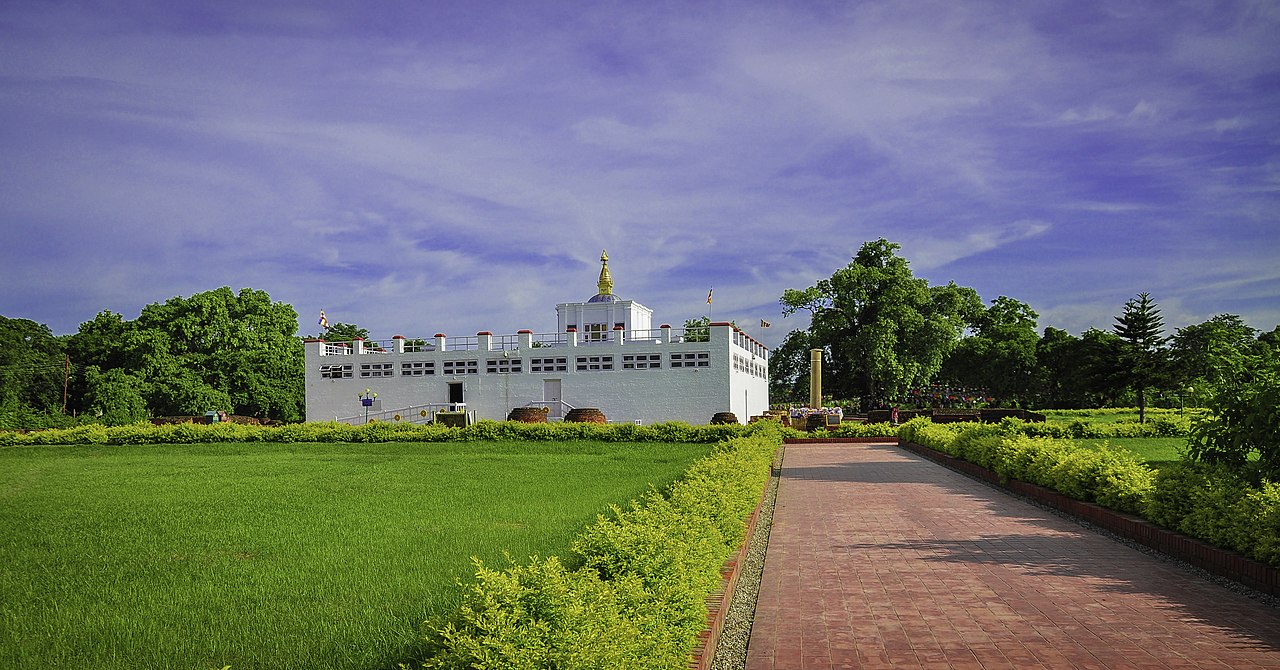


Kathmandu to Pokhara
Two hundred kilometres of winding river highway separate Nepal's frenetic capital from its serene lakeside escape, and you can cross it in a 25-minute flight or savour it over a full day on the road.
A glimpse of Kathmandu to Pokhara


Overview
The journey from Kathmandu to Pokhara is the single most popular travel route in Nepal, almost every visitor makes it, usually as the bridge between the temples of the Kathmandu Valley and the lakes and mountains of Pokhara. The two cities lie about 200 km apart, linked by the Prithvi Highway, which threads west out of the valley and then follows the Trishuli and Marsyangdi rivers through steep green hill country. It is one of the most scenic main roads in the country, but also one of the slowest, because it winds, climbs and drops the whole way.
You have three main ways to make the trip. The fastest is to fly, a short 25-minute domestic hop that turns a full day on the road into a quick mountain-view flight. The cheapest and most popular is the tourist bus, a comfortable 6-8 hour ride that most backpackers and mid-range travellers take. The most flexible is a private car or jeep, which lets you stop for the Manakamana cable car, a riverside lunch or the hill town of Bandipur along the way. Local buses are cheaper still but slower and less comfortable, and are mostly used by Nepali commuters rather than tourists.
A long-promised Kathmandu-Pokhara expressway (and a separate fast-track project) has been under discussion and partial construction for years, intended to slash the drive to roughly two to three hours. As of 2026 it is not yet open to traffic, sections remain incomplete and the timeline keeps slipping, so for now every road traveller still uses the existing Prithvi Highway and should plan for the full 6-8 hour journey. This guide breaks down each option by price (in Nepali rupees), time and comfort, so you can pick the one that fits your budget and schedule. If you are combining both cities, see our 5-day Kathmandu and Pokhara itinerary.
Distance, Time & Price at a Glance
The short version, before the detail: Kathmandu to Pokhara is about 200 km by road along the Prithvi Highway, taking 6–8 hours by tourist bus (NPR 800–2,000 in 2026) or about 25 minutes by air.
| Question | Answer (2026) |
|---|---|
| Distance by road | ~200 km (Prithvi Highway) |
| Drive / bus time | 6–8 hours with stops |
| Tourist bus price | NPR 800–1,500 standard · NPR 1,200–2,000 deluxe/AC |
| Bus departure | Morning convoy ~6:30–8:00 a.m. from Sorhakhutte / Kantipath |
| Flight time | ~25 minutes (Buddha Air, Yeti Airlines) |
| Flight price | NPR 5,500–8,500 (Nepali/Indian) · ~US$120 (foreigners) |
| Private car / jeep | NPR 12,000–20,000 one way, split between passengers |
| Best stop en route | Manakamana cable car at Kurintar |
By Air (Fastest)
Flying is by far the quickest way to get from Kathmandu to Pokhara. The flight takes only about 25 minutes in the air, versus most of a day on the road, which is why time-pressed travellers and those protecting an onward connection often choose it for at least one direction of the trip.
Several domestic carriers operate the route, chiefly Buddha Air and Yeti Airlines, with frequent daily departures, typically every hour or two from early morning into the afternoon, on small ATR turboprops. Flights leave from the domestic terminal of Tribhuvan International Airport (KTM) in Kathmandu and land at Pokhara Airport, a short taxi ride from Lakeside.
Fares: for Nepali and Indian travellers a one-way ticket is roughly NPR 5,500 to NPR 8,500, depending on the airline, season and how far ahead you book. (Foreign tourists are charged a higher fare set in US dollars, usually around US$120 one way, this is standard practice on Nepal's domestic flights, so budget for it if you are not a Nepali or Indian national.)
The view: on a clear morning this is one of the great short flights in the world. Sit on the right-hand side flying from Kathmandu to Pokhara (and on the left flying back) for a wall of Himalayan peaks, Ganesh Himal, Manaslu, and on the best days the Annapurnas and Machhapuchhre (Fishtail), running along the northern horizon.
- Pros: saves a full day; comfortable; spectacular mountain views in clear weather; ideal if you are short on time or want to avoid the winding road.
- Cons: most expensive option; flights can be delayed or cancelled in poor weather, especially in the monsoon; you miss the river and hill scenery of the highway; foreign-tourist fares are notably higher.
By Tourist Bus
The tourist bus is the most popular way to travel from Kathmandu to Pokhara, striking the best balance of price, comfort and scenery. These are coaches reserved for tourists (not crowded local commuter buses), and the journey takes around 6 to 8 hours depending on traffic, roadworks and how long the lunch stop runs.
Where they leave from: most tourist buses depart in a morning convoy, usually between about 6:30 and 8:00 am, from the tourist bus park at Sorhakhutte (near Thamel) or pick-up points along Kantipath. Many hotels and agencies in Thamel arrange a tuk-tuk or short transfer to the departure point when you book.
Classes and fares:
- Standard tourist bus: a comfortable reserved coach with a guaranteed seat and a lunch stop, typically NPR 800 to NPR 1,500 one way.
- Deluxe / AC bus: newer coaches with air conditioning, more legroom, reclining seats, Wi-Fi and sometimes a snack or bottled water, usually NPR 1,200 to NPR 2,000. "Tourist deluxe" and premium operators sit at the top of this range.
- Local bus: the cheapest option (often well under NPR 800), but slower, more crowded, with frequent stops, and not recommended for most visitors with luggage.
Stops along the way: tourist buses pause for breakfast and a longer lunch at roadside restaurants on the Prithvi Highway, many with river views, Kurintar and the riverside resorts around Manakamana are common halts. You travel beside the Trishuli River for much of the way, watching rafters, suspension bridges and terraced hills slide past.
Booking: book through any Thamel travel agency or your hotel a day or two ahead (more in the autumn and spring peaks), or use an online platform. Tickets are inexpensive, so it is worth choosing a reputable deluxe operator for the extra comfort on a long, winding ride. Arrive a little early, as buses leave promptly in the morning convoy.
By Private Car or Jeep
Hiring a private car or jeep with a driver is the most flexible and comfortable way to make the journey. You travel on your own schedule, leave when you like, sit where you like, and, crucially, you can stop wherever you want along the Prithvi Highway. For families, small groups, or anyone who wants to turn the transfer into a sightseeing day, this is the option of choice.
Fares: a one-way private transfer typically costs NPR 12,000 to NPR 20,000, depending on the vehicle (a sedan at the lower end, a larger SUV or jeep at the upper), the season and your negotiation. Split between three or four people it becomes very reasonable, and the cost usually includes the driver, fuel and tolls. A comfortable sedan suits two to three passengers with luggage; a jeep or larger SUV is better for groups or rougher side trips.
Worthwhile stops on the way:
- Manakamana cable car, the highlight detour. Near Kurintar, a cable car climbs to the hilltop Manakamana temple, one of Nepal's most revered wish-fulfilling shrines, with sweeping views over the Trishuli and Marsyangdi valleys. Allow two to three hours including the ride up and down.
- Riverside resorts, around Kurintar and Mugling the highway hugs the river; many resorts make a scenic lunch or coffee stop, and this stretch is Nepal's main white-water rafting hub.
- Bandipur, a beautifully preserved Newari hill town a short climb off the highway near Dumre, with car-free streets, mountain views and old merchant houses. It makes a perfect lunch stop, or even an overnight on a slower trip.
Because you control the stops, a private-car day can easily stretch to 9-10 hours with a Manakamana visit and a leisurely lunch, which is exactly the point. Arrange the car through your hotel or a Thamel agency, and confirm the price, vehicle type and any planned stops before you set off.
Cost & Time Compared
Here is how the three main options stack up for the Kathmandu to Pokhara trip (2026 estimates, fares in Nepali rupees for one person one way; foreign-tourist flight fares are higher and set in US dollars):
| Option | Cost (NPR) | Duration | Comfort |
|---|---|---|---|
| Flight (Buddha/Yeti) | NPR 5,500–8,500 (foreigners ~US$120) | ~25 min in the air | Fastest; comfortable; weather-dependent; best mountain views |
| Tourist bus (standard) | NPR 800–1,500 | 6–8 hours | Good value; reserved seat; lunch stop; scenic but long |
| Deluxe / AC bus | NPR 1,200–2,000 | 6–8 hours | Most comfortable bus; AC, recline, Wi-Fi |
| Private car / jeep | NPR 12,000–20,000 (whole vehicle) | 6–10 hours with stops | Most flexible; stop where you like; ideal for groups |
Which should you choose? If your time is tight or you want to protect an international connection, fly. If you are travelling on a budget and don't mind a long day, the tourist (or deluxe) bus is the sweet spot most people pick. If you are a family or small group, or want to fold in Manakamana and Bandipur, a private car turns the transfer into a highlight in its own right and costs little per head when shared. A popular strategy is to take the scenic bus or car one way and fly the other to enjoy both the road and the air.
When to Travel & Road Conditions
The Prithvi Highway is open year-round, but conditions vary sharply with the season, and that affects both the road and the flights.
Autumn (October-November) and spring (March-April) are the best times to travel. Skies are clear, mountain views from both the highway and the flight are at their finest, and the road is dry and at its most reliable. These are also the busiest months, so book buses and flights a day or two ahead.
Winter (December-February) is fine for the journey, the road is dry and visibility is often excellent, though occasional morning fog in the river valleys can briefly delay flights. Monsoon (June-September) is the season to plan around carefully: heavy rain triggers landslides and rockfalls along the hilly Prithvi Highway, which can close lanes or cause long delays, and the river runs high and muddy. Flights are also more prone to weather delays and cancellations in the monsoon. If you travel in the rainy season, leave early, keep your plans flexible, and consider flying to avoid road disruptions.
Traffic and timing matter year-round. Leave Kathmandu early in the morning to clear the valley before the worst congestion and to reach Pokhara in daylight. Roadworks, the narrow Mugling section, festival traffic and the occasional truck breakdown can all add an hour or more, so the 6-8 hour estimate is a guide, not a guarantee. Always build in buffer time, especially if you have a connecting flight or a fixed booking at the other end.
Travel Tips
- Sit on the right for mountain views. On the flight from Kathmandu to Pokhara, the right-hand window gives the best Himalayan panorama (left-hand on the return). On the bus, the right side faces the river and hills for much of the way.
- Book ahead in peak season. In autumn and spring, and around major festivals, both flights and the better deluxe buses fill up, reserve a day or two in advance through your hotel or a reputable agency.
- Guard against motion sickness. The Prithvi Highway is winding for hours. If you are prone to travel sickness, take medication before departure, sit toward the front of the bus, look at the horizon, and keep a window cracked. Choose a flight if it is bad, 25 minutes versus most of a day makes a real difference.
- Leave early. Morning departures mean less traffic out of the valley, a daylight arrival in Pokhara, and a buffer against delays from roadworks or landslides.
- Choose reputable operators for safety. Stick to established tourist-bus companies and licensed drivers; on a mountain highway, an experienced driver and a well-maintained vehicle matter more than saving a few hundred rupees.
- Carry snacks, water and small cash. There are roadside stops, but it helps to have your own water and snacks, plus small notes for tea, toilets and tips.
- Mind the lunch stop. The bus lunch break is your main chance to eat and use the toilet, dal bhat and simple meals are widely available, and it is generally hygienic at the busy tourist halts.
- Pack a layer and motion gear. AC buses can get cool; a light layer, sunglasses for the glare, and a charged phone or book make the long ride more pleasant.
- Allow time for Manakamana. If you are driving and want the Manakamana cable car, factor an extra two to three hours into the day and start early so you still reach Pokhara before dark.
Frequently Asked Questions
How far is Pokhara from Kathmandu?
Pokhara is about 200 km west of Kathmandu, connected by the Prithvi Highway, which follows the Trishuli and Marsyangdi rivers through hill country. Although the distance is modest, the road is winding, so it takes much longer than the kilometres suggest.
How long does it take to travel from Kathmandu to Pokhara?
By tourist bus or private car the journey takes about 6 to 8 hours along the winding Prithvi Highway, sometimes longer with traffic or roadworks. By air it takes only about 25 minutes in a short domestic flight.
How long is the bus from Kathmandu to Pokhara?
A tourist bus from Kathmandu to Pokhara takes roughly 6 to 8 hours, including a breakfast and lunch stop. Times stretch with traffic, the narrow Mugling section, roadworks and, in the monsoon, landslides, so leave early and build in a buffer.
How much does the Kathmandu to Pokhara flight cost?
A one-way flight costs roughly NPR 5,500 to NPR 8,500 for Nepali and Indian travellers, depending on the airline and how far ahead you book. Foreign tourists pay a higher fare set in US dollars, usually around US$120 one way, which is standard on Nepal's domestic flights.
How much is the tourist bus from Kathmandu to Pokhara?
A standard tourist bus costs about NPR 800 to NPR 1,500 one way, while a deluxe or air-conditioned coach with reclining seats and Wi-Fi runs around NPR 1,200 to NPR 2,000. Local buses are cheaper but slower and more crowded.
Is the bus from Kathmandu to Pokhara safe?
Yes, the tourist bus is generally safe when you travel with a reputable, established operator and a licensed driver. The Prithvi Highway is winding and mountainous, so choosing a well-maintained deluxe coach and an experienced company matters more than saving a few hundred rupees. Avoid overnight buses on this route.
What is the best way to travel from Kathmandu to Pokhara?
It depends on your priorities. Fly if you are short on time or protecting a connection; take the tourist or deluxe bus if you want the best value and don't mind a long scenic day; hire a private car or jeep if you are a group or want to stop at Manakamana and Bandipur. Many travellers fly one way and drive the other.
How much does a private car from Kathmandu to Pokhara cost?
A one-way private car or jeep with driver typically costs NPR 12,000 to NPR 20,000 for the whole vehicle, depending on the vehicle type, season and negotiation. Shared between three or four people it becomes very reasonable, and the price usually covers the driver, fuel and tolls.
Should I fly or take the bus from Kathmandu to Pokhara?
Fly if time matters most, it is just 25 minutes versus 6 to 8 hours by road, with superb mountain views on a clear day. Take the bus if you are on a budget and want to see the river and hill scenery. A common compromise is to fly one direction and travel by road the other.
Is there an expressway from Kathmandu to Pokhara?
A Kathmandu-Pokhara expressway and a separate fast-track have been under discussion and partial construction for years, intended to cut the drive to around two to three hours. As of 2026 it is not yet open to traffic, so all road travellers still use the existing Prithvi Highway and should plan for the full 6 to 8 hour journey.
Where does the tourist bus to Pokhara leave from in Kathmandu?
Most tourist buses depart in a morning convoy, usually between about 6:30 and 8:00 am, from the tourist bus park at Sorhakhutte near Thamel or from pick-up points along Kantipath. Many hotels and agencies arrange a short transfer to the departure point when you book.
Which airlines fly from Kathmandu to Pokhara?
The main carriers are Buddha Air and Yeti Airlines, flying small ATR turboprops with frequent daily departures from early morning into the afternoon. Flights leave from the domestic terminal at Tribhuvan International Airport in Kathmandu and land at Pokhara Airport.
How do I avoid motion sickness on the Kathmandu-Pokhara road?
The Prithvi Highway winds for hours, so take motion-sickness medication before you leave, sit toward the front of the bus, look at the horizon, keep a window cracked for fresh air, and avoid heavy or greasy food beforehand. If you are very prone to it, the 25-minute flight is the easiest solution.
Can I stop at Manakamana on the way to Pokhara?
Yes, if you travel by private car or jeep you can stop at the Manakamana cable car near Kurintar and ride up to the hilltop temple, one of Nepal's most revered shrines. Allow an extra two to three hours and start early so you still reach Pokhara in daylight. Tourist buses do not usually include this detour.
What is the best time of year to travel from Kathmandu to Pokhara?
Autumn (October to November) and spring (March to April) are best, with clear skies, fine mountain views and reliable road conditions. Winter is also good, with occasional morning fog. Avoid relying on tight plans in the monsoon (June to September), when rain can cause landslides on the highway and weather delays to flights.
Reviews & Ratings
No reviews yet. Be the first to share your experience of Kathmandu to Pokhara!
Official sources
Fees and rules on this page come from the bodies that set them. They do change, sometimes mid-season, so check the primary source before you pay anything.
- Nepal Tourism Board Official Nepal tourism informationntb.gov.np
By the BriefNepal Travel Desk
Researched and maintained by our Nepal-based editorial team and reviewed for accuracy. Last updated September 3, 2026. Prices, permits and conditions change, always verify before you travel. Spotted something out of date? Let us know.
Nepal Currency Converter
Live exchange rates for the Nepalese Rupee (NPR) against every world currency, handy for budgeting the prices in our guides.
Live mid-market rates. For information only, banks and exchanges apply their own margins.
Planning a trip to Nepal?
Join the BriefNepal Travel list for seasonal tips, new guides and our free Nepal trip-planning checklist. No spam, unsubscribe anytime.
