


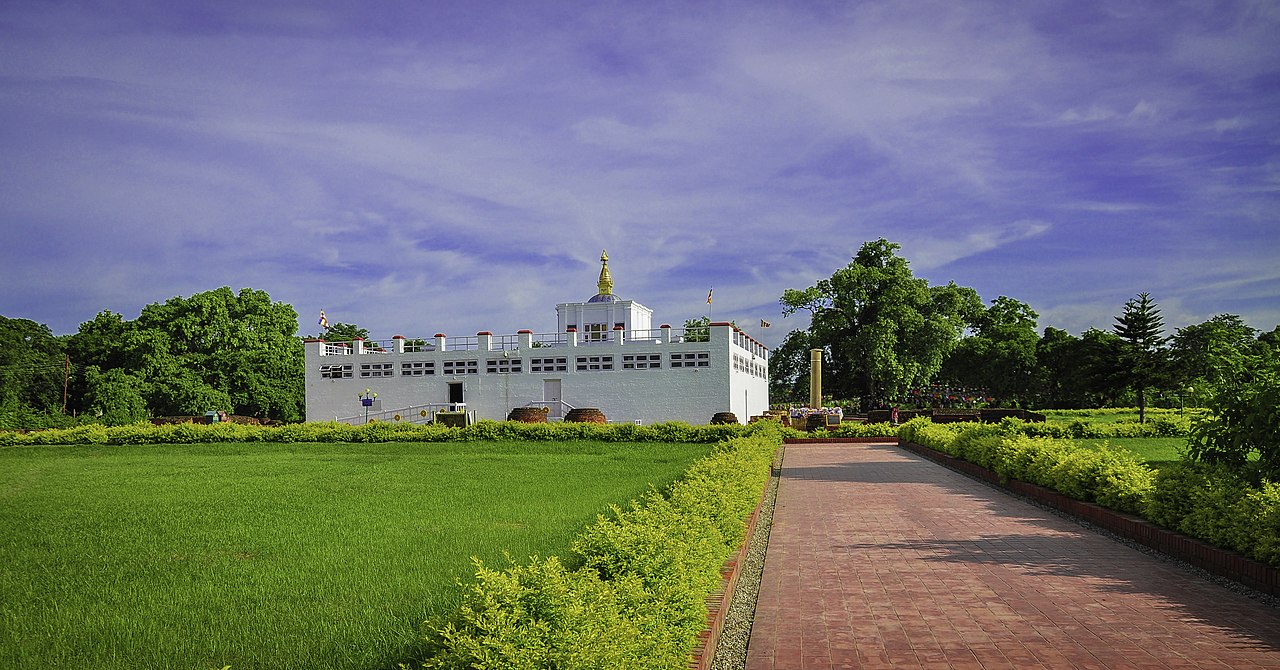


5 Days in Kathmandu & Pokhara: Itinerary
Pair Kathmandu's medieval temple squares with Pokhara's lakeside calm and snow-peak sunrises for the perfect first taste of Nepal.
A glimpse of 5 Days: Kathmandu & Pokhara


Overview
If you have only five days in Nepal and want the best possible first impression, the classic combination is Kathmandu plus Pokhara. Kathmandu delivers the culture, UNESCO-listed Durbar Squares, the great stupas of Boudhanath and Swayambhunath, and the sacred riverside ghats of Pashupatinath, while Pokhara delivers the scenery: a tranquil lake mirroring the Annapurna range, a sunrise over snow peaks from Sarangkot, and the gentle adrenaline of paragliding off a hilltop. Between them, the two cities cover Nepal's twin draws, living heritage and the Himalaya, without the commitment of a multi-day trek.
This itinerary is built for first-time visitors who want a relaxed but full schedule: roughly two days in Kathmandu, a transfer day, and two days in Pokhara, with the depart-day morning kept flexible. It assumes you fly into and out of Kathmandu's Tribhuvan International Airport (KTM), the only international gateway. You can run the plan in reverse (Pokhara first) if your domestic flight times suit, but most people prefer to settle into the capital, get over jet lag, then unwind by the lake before heading home.
The single most important planning choice is when to go. Aim for autumn (October to November) or spring (March to April), when skies are clearest and the Annapurnas show themselves at dawn. Those mountain views are the whole point of Pokhara, and in the monsoon haze they often vanish entirely, so timing matters far more here than on a city-only trip. For deeper context on each base, read the full Kathmandu travel guide and Pokhara travel guide, and if you can spare more time, our 7-day Nepal itinerary adds Chitwan or a short trek to the same loop.
Day-by-Day Itinerary
Five days, two cities, one transfer. Each day below is paced for comfort, not exhaustion, you can compress or expand it depending on your energy and flight times. Distances within both cities are short, but Kathmandu traffic is slow, so build in buffer.
Day 1: Kathmandu: Durbar Square, Swayambhunath & Thamel

Start in the historic heart of the old city at Kathmandu Durbar Square (Hanuman Dhoka), a UNESCO World Heritage Site packed with pagoda temples, the old royal palace and the Kumari Ghar, home of the Living Goddess who occasionally appears at her carved window. The square is liveliest and coolest in the morning; foreign entry is around NPR 1,000. From there, wander northeast through the living markets of Asan and Indra Chowk, spice sellers, brassware and hidden courtyard shrines, back toward your base.
After lunch, take a short taxi to Swayambhunath (the Monkey Temple), an ancient hilltop stupa watched over by the painted eyes of the Buddha. Climb the steep stairway (mind the monkeys) for a sweeping panorama over the whole valley, magical in the late-afternoon light. Spend the evening in Thamel, the buzzing tourist quarter: change money, browse trekking gear and bookshops, and settle into a rooftop restaurant for your first dal bhat or plate of momos. Keep this day gentle if you have just landed and are shaking off jet lag.
Day 2: Kathmandu: Pashupatinath, Boudhanath & a third Durbar Square

Begin early at Pashupatinath, Nepal's holiest Hindu temple, on the banks of the sacred Bagmati River. Non-Hindus cannot enter the main shrine but can watch the riverside cremation ghats, the sadhus and the ritual life of the complex from the eastern bank, a moving, intense introduction to living Hinduism. From there it is a short hop to Boudhanath Stupa, one of the largest stupas in the world and the centre of Tibetan Buddhism in Nepal. Join the pilgrims walking the clockwise kora, spin the prayer wheels, and pause for Tibetan food or coffee at a rooftop café overlooking the white dome.
In the afternoon, add a third royal city, Patan or Bhaktapur. Choose Patan (Lalitpur) if you want the finest concentration of Newar architecture close to the centre, with the Krishna Mandir and the excellent Patan Museum. Choose Bhaktapur if you prefer a largely traffic-free medieval town to wander slowly, the five-storey Nyatapola Temple, the pottery square and a bowl of creamy "juju dhau" (king curd). Either makes a perfect, slower-paced end to your Kathmandu sightseeing before you move on.
Day 3: Kathmandu to Pokhara & Lakeside evening

Today you transfer about 200 km west to Pokhara. You have two main options:
- Fly (about 25 minutes): the fastest and most scenic choice, with Himalayan views from the right-hand window in clear weather. Several domestic airlines run frequent morning flights; book ahead in peak season.
- Drive or take a tourist bus (about 6–8 hours): a long but interesting journey along the Trishuli River. If you drive, break the trip with the Manakamana cable car, a spectacular ride up to the hilltop wish-fulfilling temple, a worthwhile cultural stop that turns transit time into a highlight. See our Manakamana pilgrimage guide for timings and tips.
Aim to reach Pokhara by early afternoon so you can settle into Lakeside (Baidam), the relaxed tourist strip along Phewa Lake. Spend the evening strolling the lake promenade, browsing craft shops and cafés, and watching the sunset colour the water, and, on a clear day, the white wall of the Annapurnas behind it. Eat well; Pokhara's lakeside dining is excellent and a touch more laid-back than Kathmandu.
Day 4: Pokhara: Sarangkot sunrise, paragliding, Phewa & viewpoints

This is the big day. Rise before dawn for the drive up to Sarangkot (about 1,600 m), the classic viewpoint for sunrise over the Annapurna range and Machhapuchhre (Fishtail) as the peaks turn gold. Wrap up warm, mornings are cold even when the day heats up.
Sarangkot is also Pokhara's paragliding launch site, so many travellers take a tandem flight straight after sunrise, soaring over Phewa Lake with the mountains as a backdrop, one of the world's best places to try it. Back in town, spend late morning boating on Phewa Lake in a colourful wooden doonga, paddling out to the island Tal Barahi Temple in the middle of the water.
In the afternoon, cross to the south shore and climb (or drive partway and walk) to the World Peace Pagoda (Shanti Stupa), a gleaming white Buddhist stupa with a superb panorama of the lake, the city and the mountains. On the way back, stop at Davis Falls (Devi\'s Fall), where a stream vanishes dramatically into an underground gorge, and the linked Gupteshwor Cave opposite. End the day back at Lakeside for a well-earned dinner.
Day 5: Pokhara morning, return to Kathmandu & depart
Keep the final day flexible around your flights. With a free morning, visit the hilltop temple of Bindhyabasini and stroll the atmospheric Old Bazaar for a glimpse of traditional Pokhara away from the tourist strip, or simply enjoy a slow lakeside breakfast and last-minute shopping. Then fly back to Kathmandu (25 minutes) or take the tourist bus, timing your arrival to connect with your international departure from KTM. Always allow a generous buffer: domestic flights can be delayed by weather, and Kathmandu road traffic is unpredictable.
Optional add-on: if you can extend by 2–4 days, Pokhara is the gateway to the short, teahouse-friendly Poon Hill (Ghorepani) trek, a 3–4 day loop famous for its sunrise mountain panorama, easily slotted in before your return to Kathmandu.
Best Time to Visit
For this itinerary the season matters more than for a city-only trip, because Pokhara's appeal rests on clear mountain views. The two prime windows are:
- Autumn (October–November): the best of all. Skies are crisp and clear after the monsoon, the Annapurnas are reliably visible from Sarangkot and Lakeside, temperatures are comfortable, and Kathmandu hosts the great festivals of Dashain and Tihar. Book flights and hotels well ahead, this is peak season.
- Spring (March–April): warm and pleasant, with rhododendron blossom in the hills. Mornings are usually clear; afternoons can grow hazy, so chase the mountains at dawn.
Winter (December–February) is cool but often beautifully clear, with thin crowds and lower prices, pack warm layers for the Sarangkot sunrise and unheated budget rooms. Summer/monsoon (June–August) is hot, humid and wet; the valley and lake turn lush and green, prices drop, but mountain views frequently disappear behind cloud and rain can disrupt flights and roads. If your main goal is the Himalayan sunrise, avoid the monsoon.
Transport & Logistics
Arriving in Nepal
Almost everyone flies into Tribhuvan International Airport (KTM), about 6 km from central Kathmandu. Most nationalities get a visa on arrival (15, 30 or 90 days); complete the application online beforehand, and carry US dollars for the fee plus a passport photo. From the airport, take a prepaid taxi or a ride-hailing app (Pathao, InDrive) into Thamel, 20–40 minutes depending on traffic.
Kathmandu to Pokhara: flight vs bus
The two cities are about 200 km apart. Your choice shapes Day 3:
- Domestic flight (~25 minutes): fast, scenic and the obvious pick if your schedule is tight. Expect roughly NPR 5,500–8,500 one way (foreigners are charged a higher fixed fare of about NPR 16,000). Frequent morning departures; sit on the right-hand side leaving Kathmandu for the best mountain views.
- Tourist bus (~6–8 hours): the budget and overland option, roughly NPR 800–1,500 depending on the class of bus (standard tourist coach up to "deluxe" with Wi-Fi and snacks). It is comfortable enough and lets you see the Trishuli river valley, and break the trip at the Manakamana cable car if you go by private car.
- Private car/jeep: the most flexible road option, with door-to-door service and easy stops; pricier than the bus but split between a group it can be reasonable.
Getting around each city
In Kathmandu, use ride-hailing apps (Pathao and InDrive for cars and motorbikes) or negotiated taxis, and explore the old core on foot. In Pokhara, Lakeside is compact and very walkable; rent a bicycle or scooter for the lakefront, and take a taxi for the early-morning Sarangkot run, Davis Falls and the World Peace Pagoda. Agree fares first or use an app, meters are often "broken."
Budget for 5 Days
Costs swing widely with your travel style and, crucially, whether you fly or take the bus between the cities. The table below gives approximate per-person totals for all five days (2026 estimates, in Nepali rupees), covering accommodation, food, local transport, entry fees and key activities, but excluding your international flights and Nepal visa.
| Travel style | 5-day total (bus) | 5-day total (flight) | What it covers |
|---|---|---|---|
| Backpacker | NPR 14,000–26,000 | NPR 25,000–38,000 | Guesthouses, local food, shared/public transport, key entry fees |
| Mid-range | NPR 38,000–70,000 | NPR 50,000–82,000 | Comfortable 3-star hotels, mix of restaurants, taxis, a guided tour, paragliding |
| Comfort | NPR 90,000+ | NPR 100,000+ | Boutique/heritage hotels, fine dining, private car and guide throughout |
The biggest single line item is the city-to-city transfer. The Kathmandu–Pokhara flight costs about NPR 5,500–8,500 one way (foreigners pay a higher fixed fare of around NPR 16,000), versus a tourist bus at about NPR 800–1,500 each way, a difference of several thousand rupees a person across the round trip. Many travellers fly one direction and bus the other to balance time and cost.
Other typical prices: a plate of momos NPR 120–250; a dal bhat set NPR 200–450 (local) or NPR 450–800 (tourist); a tourist-restaurant main NPR 400–800; a budget room NPR 800–2,000; a comfortable 3-star double NPR 3,500–8,000. Heritage entry fees add up, Kathmandu Durbar Square around NPR 1,000, Bhaktapur around NPR 1,800 for foreigners. A tandem paragliding flight in Pokhara runs roughly NPR 8,000–11,000. Carry cash, as many small vendors don't take cards, and use ATMs in Thamel or Lakeside.
Where to Stay & Eat
Kathmandu: base in or near Thamel
For two short nights, Thamel is the natural base: trekking agencies, restaurants, gear shops and money changers are all on the doorstep. Look for rooms set back from the main lanes if you want quiet, or pick a calmer alternative such as Jhamsikhel/Patan (leafy, foodie, more local) or the Tibetan-Buddhist quarter around Boudhanath. Budget guesthouses run NPR 800–2,000, comfortable 3-star hotels NPR 3,500–8,000, and boutique or heritage properties NPR 10,000 and up. Eat your way through dal bhat, momos and Newari specialities like bara and choila; Thamel and Jhamsikhel cover everything from wood-fired pizza to Tibetan thukpa, while Boudhanath is the spot for authentic Himalayan food with a stupa view.
Pokhara: base at Lakeside (Baidam)
Lakeside is where you want to be in Pokhara, a relaxed strip of guesthouses, boutique hotels, cafés and bars stretched along Phewa Lake, with easy access to boating, the promenade and onward trips to Sarangkot and the World Peace Pagoda. Lake-view rooms cost a little more and are worth it on a clear morning. Budget rooms start around NPR 800–2,000, mid-range lake-view hotels run NPR 3,500–8,000, and there are stylish boutique stays for NPR 10,000 plus. Dining here is famously laid-back: lakefront restaurants serving fresh fish, continental and Nepali dishes, plus great coffee and bakeries. Book ahead for the autumn peak in both cities, and ask your hotel to arrange the early Sarangkot taxi the night before.
Tips & Practical Advice
- Chase the mountains at dawn. Annapurna and Machhapuchhre views are clearest at sunrise; by mid-morning haze often rolls in, especially in spring. Schedule Sarangkot for first light.
- Book the KTM–Pokhara flight early in peak season, and keep your return-day plan flexible, domestic flights are weather-dependent and can be delayed or cancelled.
- Leave a buffer on departure day. Never plan the Pokhara-to-Kathmandu leg for the same few hours as your international flight; give yourself a comfortable margin for traffic and delays.
- Dress modestly at temples. Cover shoulders and knees, remove shoes where asked, and don't enter shrines closed to non-Hindus (such as the inner Pashupatinath temple). Walk clockwise around stupas.
- Carry small cash. Many shops, taxis, boats and temples are cash-only; keep small rupee notes for entry fees, tips and the doonga at Phewa Lake.
- Pack a warm layer. Even in autumn the Sarangkot sunrise is cold, and budget rooms in winter are unheated.
- Get a local SIM. Buy an Ncell or Nepal Telecom SIM at the airport or in town with your passport and load a cheap data pack for maps and ride-hailing.
- Eat and drink smart. Stick to bottled, filtered or treated water, eat freshly cooked hot food, and a reusable filter bottle cuts both cost and plastic waste.
- Ride-hailing beats meters. Use Pathao or InDrive in Kathmandu; agree fares in advance for the Sarangkot and viewpoint runs in Pokhara.
- Want more time? Add Chitwan for jungle safari or a short Poon Hill trek and follow the 7-day Nepal itinerary instead.
Frequently Asked Questions
Is 5 days enough for Kathmandu and Pokhara?
Yes. Five days is enough to cover the highlights of both cities at a relaxed pace: about two days in Kathmandu for the Durbar Squares, Boudhanath, Swayambhunath and Pashupatinath, a transfer day, and two days in Pokhara for the Sarangkot sunrise, Phewa Lake and the main viewpoints. It does not leave time for a full trek, but it gives a complete first taste of Nepal.
Should I fly or drive from Kathmandu to Pokhara?
Fly if your time is tight: the flight takes only about 25 minutes and is scenic, costing around NPR 5,500 to 8,500 one way (foreigners pay a higher fixed fare of about NPR 16,000). Take the tourist bus or a private car (6 to 8 hours, about NPR 800 to 1,500 by bus) if you are on a budget or want to see the Trishuli river valley and stop at the Manakamana cable car. Many travellers fly one way and bus the other.
How far is Pokhara from Kathmandu?
Pokhara is about 200 km west of Kathmandu, roughly 6 to 8 hours by road along a winding highway or a 25-minute domestic flight.
What is the best time to do a Kathmandu and Pokhara trip?
Autumn (October to November) is the best, with the clearest skies and most reliable Himalayan views from Sarangkot, followed by spring (March to April). Winter is cool but often clear with fewer crowds, while the monsoon (June to August) brings haze and rain that frequently hide the mountains.
How much does a 5-day Kathmandu and Pokhara trip cost?
Excluding international flights and visa, backpackers can do it for roughly NPR 14,000 to 38,000 per person, mid-range travellers NPR 38,000 to 82,000, and comfort travellers NPR 90,000 or more. The largest variable is whether you fly (about NPR 5,500 to 8,500 each way) or take the tourist bus (about NPR 800 to 1,500 each way) between the two cities.
Can I add Chitwan or a trek to this itinerary?
Yes, but you will need more days. Adding Chitwan National Park for a jungle safari or a short Poon Hill (Ghorepani) trek from Pokhara each requires about 2 to 4 extra days. If you can extend the trip, follow our 7-day Nepal itinerary, which combines Kathmandu, Pokhara and either Chitwan or a short trek.
Do I need a visa to visit Nepal?
Most nationalities can get a visa on arrival at Kathmandu airport for 15, 30 or 90 days. Fill the application online in advance to save time, and bring a passport photo and the fee in US dollars. Indian citizens do not need a visa.
What is the best place to see the sunrise in Pokhara?
Sarangkot, a hilltop viewpoint at about 1,600 m above Pokhara, is the classic spot for sunrise over the Annapurna range and Machhapuchhre (Fishtail). Leave Lakeside before dawn and dress warmly, as mornings are cold even in autumn.
What should I do on the day I travel from Kathmandu to Pokhara?
Travel in the morning so you arrive by early afternoon, then settle into Lakeside, stroll the Phewa Lake promenade, browse the shops and cafés, and watch the sunset over the lake and mountains. If you drive, break the journey at the Manakamana cable car.
Is paragliding in Pokhara safe and where does it launch?
Tandem paragliding is one of Pokhara's signature experiences and is run by licensed operators with experienced pilots. Flights launch from Sarangkot just after sunrise and glide over Phewa Lake with the mountains behind, typically costing around NPR 8,000 to 11,000.
Where should I stay in Kathmandu and Pokhara?
In Kathmandu, base yourself in or near Thamel for convenient access to sights, restaurants and agencies, or choose quieter Jhamsikhel or Boudhanath. In Pokhara, stay at Lakeside (Baidam) along Phewa Lake, ideally in a lake-view room. Book ahead for the autumn peak season.
Can I do this itinerary in reverse, starting in Pokhara?
Yes. You can fly straight to Pokhara on arrival and return to Kathmandu at the end, or start with Kathmandu as in this plan. Most first-timers prefer to settle into Kathmandu first, recover from jet lag, and unwind by the lake before flying home.
What are the must-see places in this 5-day trip?
In Kathmandu: Kathmandu Durbar Square, Swayambhunath, Pashupatinath and Boudhanath, plus Patan or Bhaktapur. In Pokhara: the Sarangkot sunrise, boating on Phewa Lake to Tal Barahi Temple, the World Peace Pagoda and Davis Falls.
Is altitude sickness a concern on this trip?
No. Kathmandu sits at about 1,400 m and Pokhara at around 800 m, both well below the altitude where sickness occurs. Even the Sarangkot viewpoint at about 1,600 m poses no altitude risk.
How many days should I spend in each city?
This itinerary gives about two days in Kathmandu, one transfer day, and two days in Pokhara including the depart-day morning. If you have extra time, add a night in Pokhara for a Poon Hill trek or a day for a Kathmandu valley-rim trip such as Nagarkot or Bhaktapur.
Reviews & Ratings
No reviews yet. Be the first to share your experience of 5 Days: Kathmandu & Pokhara!
Official sources
Fees and rules on this page come from the bodies that set them. They do change, sometimes mid-season, so check the primary source before you pay anything.
- Department of Immigration Nepal visa on arrival, fees & extensionswww.immigration.gov.np
- Dept. of National Parks & Wildlife Conservation National park & conservation area entry feesdnpwc.gov.np
By the BriefNepal Travel Desk
Researched and maintained by our Nepal-based editorial team and reviewed for accuracy. Last updated September 3, 2026. Prices, permits and conditions change, always verify before you travel. Spotted something out of date? Let us know.
Nepal Currency Converter
Live exchange rates for the Nepalese Rupee (NPR) against every world currency, handy for budgeting the prices in our guides.
Live mid-market rates. For information only, banks and exchanges apply their own margins.
Planning a trip to Nepal?
Join the BriefNepal Travel list for seasonal tips, new guides and our free Nepal trip-planning checklist. No spam, unsubscribe anytime.