


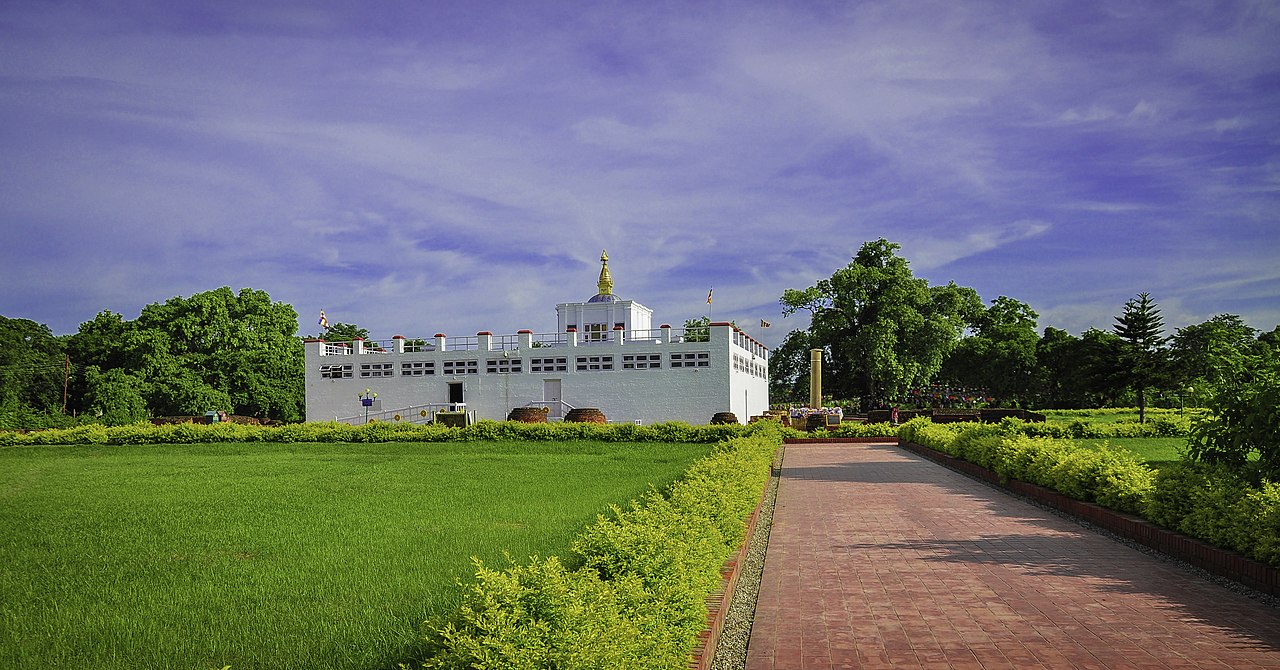


Gadhimai Temple & Festival Guide
In the flat farmland of Bara district, a short drive from the Indian border, stands Gadhimai — an unassuming village shrine that every five years becomes the centre of one of the largest religious gatherings on Earth, drawing millions of devotees from Nepal and India to its month-long mela.
A glimpse of Gadhimai


Overview
Gadhimai is a shakti shrine in Bariyarpur, Bara district, Madhesh Province, in Nepal\'s southern plains about 150 km from Kathmandu and barely 20 km from the Indian border as the crow flies. For four years and eleven months it is a local temple; then, every fifth Mangsir (Nov–Dec), it hosts the Gadhimai Mela — a gathering so large it is regularly counted among the biggest religious events in the world.
The mela is best known internationally for its tradition of animal sacrifice, historically on a scale without parallel, and for the long-running effort by courts, campaigners and parts of the temple leadership to reform it (covered honestly below). For the millions who come, though, it is above all a wish-fulfilling pilgrimage: prayers made to the goddess in one mela are repaid with offerings at the next, binding families to a five-year rhythm that has continued for more than two centuries.
Top Attractions
The Gadhimai Temple
The shrine itself is modest — a small Terai temple in Bariyarpur village, about seven kilometres east of Kalaiya, housing the power of the goddess Gadhimai, a fierce local form of the mother goddess in the Kali/Durga tradition. For most of any five-year cycle it is a quiet rural sanctuary where villagers offer daily worship, and its everyday calm is part of what makes the transformation at mela time so extraordinary.
The Gadhimai Mela
Held every five years in the month of Mangsir (November–December), the Gadhimai Mela is among the world\'s biggest religious gatherings: a month-long fair whose main worship days draw crowds estimated in the millions, a majority crossing from the nearby Indian states of Bihar and Uttar Pradesh. The plains around the temple become a vast tent city of pilgrims, traders, ferris wheels and food stalls — part pilgrimage, part enormous village fair. The last mela was held in December 2024; the next is expected in late 2029.
The Sacred Ponds
Pilgrims traditionally begin with a purifying dip in the temple\'s ponds before approaching the goddess. At mela time the bathing ghats work around the clock as lakhs of devotees wash away the dust of long road journeys, light lamps at the waterside and carry water to the shrine — one of the most atmospheric scenes of the whole gathering.
Bariyarpur & Terai Village Life
Away from the mela, a visit to Gadhimai is also a window into the rural Madhesh: mango groves and mustard fields, bullock carts, mud-and-thatch homesteads and the unhurried rhythm of Terai farming villages. Combined with the bazaars of Kalaiya and Birgunj, it shows a side of Nepal that most travellers who stick to the hills never see.
Simraungadh (Ancient Capital)
Around an hour east of the temple lie the scattered ruins of Simraungadh, capital of the medieval Karnat kingdom that once ruled Mithila from these plains. Brick ramparts, ponds and temple mounds survive among the villages, along with the revered Kankali Mai temple — an easy half-day pairing for history-minded pilgrims.
Birgunj, the Gateway
The commercial border city of Birgunj, roughly 35–40 km southwest, is the practical gateway: the nearest big hotels, banks and transport hub, and the crossing point (Raxaul, on the Indian side) for the huge number of pilgrims arriving from Bihar. Its lively bazaar and border-town energy are an experience in themselves.
Parsa National Park
North-west of Birgunj stretches Parsa National Park, the quieter eastern neighbour of Chitwan, with sal forest, wild elephants, leopards and a growing tiger population. Travellers with an extra day sometimes bolt a jungle excursion onto a Gadhimai visit for a very different taste of the Terai.
The Goddess & the Legend
According to the tradition told at the temple, the shrine was founded some 250-plus years ago by Bhagwan Chaudhary, a Bariyarpur landowner imprisoned in the fort of Makwanpur. In a dream the goddess promised his freedom in return for worship at her forgotten seat in Bariyarpur. Freed, he carried the goddess home — tradition says a divine light guided the founding of the shrine — and instituted her worship with blood offering after, the story goes, the goddess herself refused human sacrifice in favour of animals.
Gadhimai is worshipped as a fierce, protective mother goddess of the Kali/Durga family, a granter of wishes: sons, harvests, health, court cases, visas — pilgrims ask for everything, and the crowds at each mela are, in large part, people returning to keep promises made five years before.
The Mela: When & What Happens
The festival follows a five-year cycle set by the temple\'s tradition, falling in Mangsir (Nov–Dec). The most recent mela ran in December 2024, with the main worship days on 8–9 December; the next is expected in Mangsir 2086 BS — roughly November–December 2029. Exact dates are announced by the temple trust closer to the time, so confirm before planning travel.
- The fair runs about a month. The headline rituals occupy two main days, but the tent city, markets and devotional programmes continue for weeks.
- The scale is immense. Estimates across recent melas put attendance in the millions, with a large majority from India — Raxaul border formalities are minimal and Indian citizens need no visa.
- It begins with tantric rites. The mela opens with a night of ritual worship (including the symbolic pancha bali, the five offerings) before general darshan begins at dawn.
- Expect a mega-fair. Beyond the shrine: circus rides, bazaars selling everything from sindoor to buffaloes, folk performances and round-the-clock crowds.
The Sacrifice Question, Honestly
Gadhimai\'s mela has historically included mass animal sacrifice — buffaloes, goats, pigeons and other animals offered by devotees — on a scale that made world headlines and drew sustained criticism from animal-welfare groups in Nepal and India. Visitors should know the current state of things:
- In 2015, temple trust figures announced an intention to end sacrifice, though the trust later clarified it cannot compel devotees; in 2016 Nepal\'s Supreme Court directed the government to progressively discourage the practice.
- India\'s Supreme Court and border authorities have since restricted the unlicensed transport of animals across the border at mela time, with seizures each cycle.
- In practice, sacrifice continued at the 2019 and 2024 melas, at contested scale, alongside a visible rise in bloodless offerings — coconuts, sweets, red cloth, pigeons released rather than offered.
The temple accepts either form of offering. If you attend, be prepared for scenes around the main sacrifice days that many visitors find distressing; families with children often time their darshan for the later, quieter weeks of the mela. Photography of the sacrificial grounds is restricted at times and is, at minimum, a matter for real discretion.
How to Reach Gadhimai
The temple is reachable year-round by road; at mela time special bus services run from across the Terai and the Kathmandu Valley, and roads near the site close to private vehicles on peak days, with long walks from the parking grounds.
| From | Route | Typical time |
|---|---|---|
| Kathmandu | Drive via Hetauda–Pathlaiya to Kalaiya, then 7 km east to Bariyarpur | Roughly 5–7 hr |
| Birgunj | Road via Kalaiya | 1–1.5 hr |
| India (Raxaul) | Cross to Birgunj, then as above; mela-time shuttles run | 1.5–2.5 hr from the border |
| Janakpur | East–West Highway west to Pathlaiya, then south | Roughly 4–5 hr |
Buses from Kathmandu to Kalaiya cost roughly NPR 700–1,200; a reserved car or jeep runs considerably more. The nearest airport with scheduled flights is Simara (near Pathlaiya), about 20–30 minutes\' flight from Kathmandu — handy at mela time if seats exist, though most pilgrims come by road. Many combine Gadhimai with Janaki Mandir in Janakpur on a Terai pilgrimage circuit.
Where to Stay & Facilities
Bariyarpur itself has only the most basic facilities. Most visitors base in:
- Birgunj — the widest choice of hotels (roughly NPR 1,500–6,000), banks and restaurants; 1–1.5 hr away.
- Kalaiya — closer but simpler lodges and guesthouses.
- Hetauda or Simara — practical overnight breaks on the road from Kathmandu.
At mela time, hotel space within reach of the temple sells out far in advance and most pilgrims simply camp on the fairgrounds as generations have. Carry cash (ATMs are scarce near the site and unreliable in the crush), drinking water, and warm layers — Terai nights in Mangsir are surprisingly cold, even when the days are warm.
Visiting Outside the Mela
In the four quiet years between melas, Gadhimai is a peaceful village shrine that welcomes a steady trickle of local devotees — busiest on the usual shakti-worship days (Tuesdays and Saturdays, and during Dashain and Navaratri), when individual offerings are made. A between-years visit pairs naturally with Janakpur, the Ramayana Circuit, Simraungadh\'s ruins and the border bazaar of Birgunj, and gives a far calmer darshan than mela time — no crowds, no queues, and time to take in ordinary Terai village life around the temple.
Tips, Safety & Etiquette
- Crowd sense first. Peak mela days involve some of the densest crowds in South Asia: keep children in hand, agree a meeting point, carry your phone charged and identification on you.
- Dress modestly and remove shoes at the shrine; red is the traditional colour of offerings.
- Health basics: bottled or purified water only, be choosy with fairground food, and carry a small first-aid kit; medical posts operate during the mela.
- Photography: fine around the fair; be respectful at the shrine, ask before photographing pilgrims, and treat the sacrificial areas as off-limits unless clearly permitted.
- Respect the debate. Devotees, reformers and campaigners all attend; whatever your view of the sacrifice tradition, the mela is not the place to relitigate it with strangers.
- Winter sun, cold nights: Mangsir days are mild (low 20s °C) but pre-dawn queues are cold — bring a warm layer and a shawl or blanket if camping.
Frequently Asked Questions
When is the next Gadhimai festival?
The Gadhimai Mela is held every five years in the Nepali month of Mangsir (November–December). The last edition took place in December 2024, so the next is expected in Mangsir 2086 BS — roughly November–December 2029. Exact dates are announced by the temple trust nearer the time, so confirm before you plan travel.
Where is the Gadhimai Temple?
In Bariyarpur village, Bara district, Madhesh Province, in Nepal's southern Terai — about 7 km east of Kalaiya, 35–40 km from the border city of Birgunj, and roughly 150 km (5–7 hours by road) from Kathmandu.
Who is Goddess Gadhimai?
Gadhimai is a fierce local form of the mother goddess in the Kali/Durga tradition, worshipped as a powerful granter of wishes. Tradition holds that her shrine was established over 250 years ago by Bhagwan Chaudhary after the goddess appeared to him in a dream during his imprisonment at Makwanpur.
Is animal sacrifice still practised at Gadhimai?
Yes, though the picture is changing. Despite a widely reported 2015 announcement by temple trust figures, a 2016 Nepal Supreme Court directive to phase the practice down, and Indian restrictions on cross-border animal transport, sacrifice continued at the 2019 and 2024 melas at contested scale. Bloodless offerings — coconuts, sweets, red cloth — are accepted and increasingly encouraged.
How many people attend the Gadhimai Mela?
Attendance across the month-long fair is estimated in the millions, with the biggest crowds on the two main worship days. A large majority of pilgrims cross from the Indian states of Bihar and Uttar Pradesh, for whom the temple is only a short journey beyond the Raxaul–Birgunj border.
How do I reach Gadhimai from Kathmandu?
By road via Hetauda and Pathlaiya to Kalaiya, then 7 km east to Bariyarpur — roughly 5–7 hours in normal conditions. Buses run to Kalaiya (roughly NPR 700–1,200); flights to Simara airport near Pathlaiya cut most of the driving. During the mela, special bus services operate and the final stretch is often on foot.
Do Indian pilgrims need a visa for Gadhimai?
No. Indian citizens do not need a visa for Nepal. Most pilgrims cross at Raxaul–Birgunj with minimal formalities and continue 1.5–2.5 hours by road to the temple; carry an accepted photo ID.
Is there an entry fee at Gadhimai?
No — the temple and the mela grounds are free to enter. Costs are your transport, food and lodging, plus whatever offerings or puja items you choose to buy at the stalls.
Where should I stay for the Gadhimai Mela?
Birgunj has the widest hotel choice (roughly NPR 1,500–6,000 a night), with simpler lodges in Kalaiya and stopover options in Hetauda and Simara. At mela time rooms sell out far in advance and most pilgrims camp on the fairgrounds — bring warm layers, as Terai nights in Mangsir are cold.
Can foreign tourists attend the Gadhimai festival?
Yes. The mela is open to all, and journalists, researchers and travellers do attend. Come prepared for extreme crowds and basic facilities, dress modestly, be discreet with photography, and be aware that scenes around the main sacrifice days can be distressing — many visitors time their darshan for the quieter later weeks.
What is the pancha bali?
The "five offerings" that open the mela's main rituals — traditionally a buffalo, a goat, a pig, a rooster and a rat or pigeon, offered symbolically to the goddess in the opening tantric worship. Devotees making personal offerings may present an animal or, increasingly, bloodless substitutes such as coconuts and sweets.
What else can I visit near Gadhimai?
Janakpur's Janaki Mandir (a natural pairing on a Terai pilgrimage circuit), the medieval ruins of Simraungadh with the Kankali Mai temple about an hour east, the border bazaar of Birgunj, and Parsa National Park for sal-forest wildlife including tigers and wild elephants.
Reviews & Ratings
No reviews yet. Be the first to share your experience of Gadhimai!
Official sources
Fees and rules on this page come from the bodies that set them. They do change, sometimes mid-season, so check the primary source before you pay anything.
- Department of Immigration Nepal visa on arrival, fees & extensionswww.immigration.gov.np
- Dept. of National Parks & Wildlife Conservation National park & conservation area entry feesdnpwc.gov.np
By the BriefNepal Travel Desk
Researched and maintained by our Nepal-based editorial team and reviewed for accuracy. Last updated September 3, 2026. Prices, permits and conditions change, always verify before you travel. Spotted something out of date? Let us know.
Nepal Currency Converter
Live exchange rates for the Nepalese Rupee (NPR) against every world currency, handy for budgeting the prices in our guides.
Live mid-market rates. For information only, banks and exchanges apply their own margins.
Planning a trip to Nepal?
Join the BriefNepal Travel list for seasonal tips, new guides and our free Nepal trip-planning checklist. No spam, unsubscribe anytime.
Explore More of Nepal
 Janaki MandirThe birthplace of Sita and a marble marvel in Janakpur.
 JanakpurThe Mithila cultural capital and birthplace of Sita in the southern Terai.
 Pashupatinath TempleNepal's holiest Shiva shrine on the sacred Bagmati.Ramayana Circuit NepalA devotional journey through Janakpur and the land of Sita and Ram.