


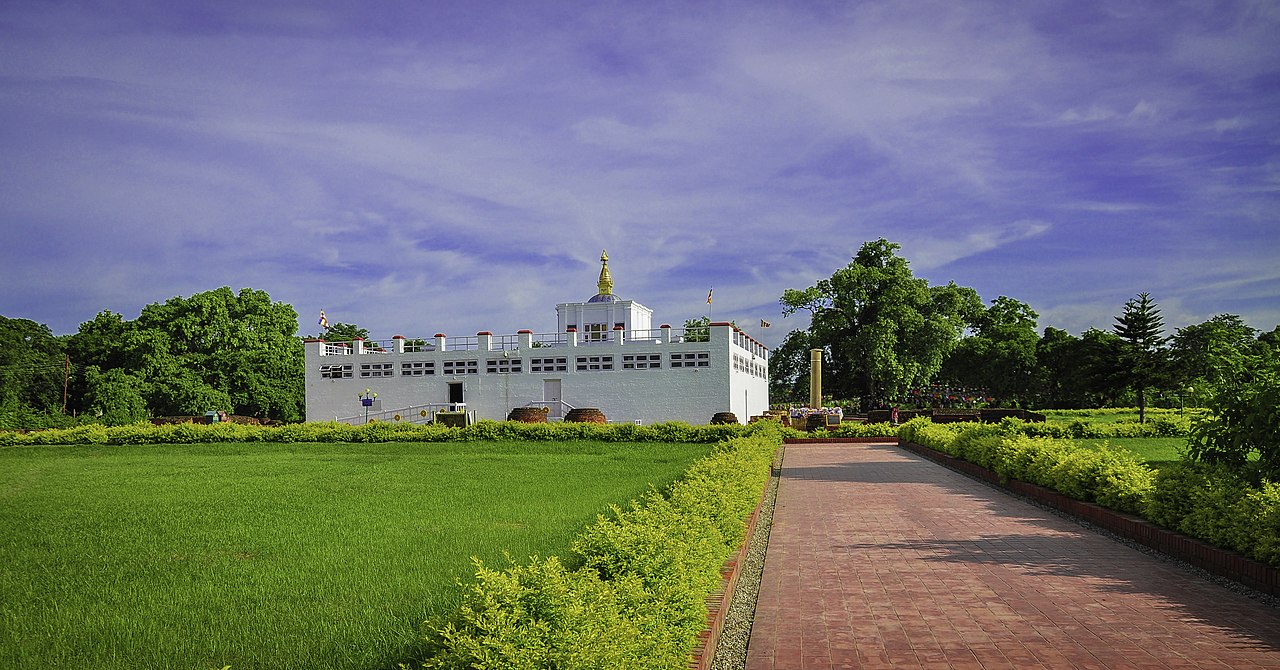


Ramayana Circuit Nepal
Follow the trail of the Ramayana through Nepal's Mithila plains, Janakpur, the birthplace of Sita and the place of her marriage to Lord Ram.
A glimpse of Ramayana Circuit Nepal


Overview
The Ramayana Circuit is a devotional trail that links the places associated with the epic Ramayana across the Indian subcontinent, and Nepal holds one of its most sacred chapters. The Mithila region of the southern plains, centred on Janakpur (Janakpurdham), was the ancient kingdom of King Janak and the birthplace of his daughter Sita (Janaki), the wife of Lord Ram. It was here, tradition holds, that Ram broke the mighty bow of Shiva to win Sita's hand, and the two were married.
As part of the wider India–Nepal Ramayana Circuit (which connects Ayodhya, Ram's birthplace, with Janakpur, Sita's), Nepal's leg makes a rich 3–5 day pilgrimage. Beyond the magnificent Janaki Mandir, the circuit takes in Dhanushadham, Jaleshwar and the living traditions of Mithila culture, its folk art, devotional music and warm hospitality. This guide lays out a day-by-day plan, the best time to visit, how to reach the circuit, an honest Nepali-rupee budget, where to stay and eat, and etiquette for a respectful pilgrimage.
The Circuit, Day by Day
Day 1: Arrive in Janakpur · Janaki Mandir

Reach Janakpur by flight or bus and check in. Spend the afternoon and evening at the Janaki Mandir, the grand three-storey marble temple built in 1910 on the spot believed to mark Sita's birthplace. Witness the evening aarti, when lamps, bells and devotional song fill the courtyard. See our full Janaki Mandir guide.
Day 2: Ram Mandir, Vivah Mandap & the sacred ponds
Begin at dawn with darshan at Janaki Mandir, then visit the adjacent Ram Mandir (Janakpur's oldest temple) and the Vivah Mandap, the ornate pavilion marking the marriage of Ram and Sita. Take a ritual dip or offering at the holy ponds of Dhanush Sagar and Ganga Sagar, and explore the old bazaar and Mithila art on the temple lanes.
Day 3: Dhanushadham & Mithila villages
Drive out to Dhanushadham (about 20 km north-east), where a fragment of Shiva's broken bow is said to have fallen, a serene pilgrimage spot wrapped in Ramayana legend. Visit a Mithila art village to see the vivid folk paintings (Madhubani/Mithila art) made by local women, and sample Maithili sweets and cuisine.
Day 4 (optional): Jaleshwar & onward
Continue to Jaleshwar Mahadev, an important Shiva temple south toward the border, or use the day to relax and absorb more of Janakpur's devotional rhythm. Pilgrims continuing the wider circuit can travel on toward Ayodhya in India, or back to Kathmandu and onward to Lumbini.
Day 5 (optional): Depart
Round off the circuit with a final morning darshan before flying or busing back to Kathmandu, or crossing the nearby border for the Indian leg of the Ramayana Circuit.
Best Time to Visit
The comfortable season for the Mithila plains is October to March, when days are warm and pleasant rather than the fierce heat of the pre-monsoon months. The spiritual high point is Vivaha Panchami (usually November/December), the festival re-enacting the wedding of Ram and Sita, when Janakpur fills with pilgrims, processions and a great fair, atmospheric but very crowded, so book accommodation far ahead.
Other significant times are Ram Navami (Ram's birthday, around March/April) and the Madhesi festival of Chhath (around November), when the sacred ponds are especially busy. Summer (April–June) is hot and humid; the monsoon brings rain to the plains.
How to Reach the Circuit
Janakpur is the hub of the circuit. From Kathmandu, the quickest way is the 25-minute flight (about NPR 5,000–8,000 one way); the bus takes around 8–9 hours and costs roughly NPR 1,000–1,800, see the full Janakpur to Kathmandu transport guide. Travellers arriving from India can use the cross-border Jaynagar–Janakpur railway.
Within Janakpur and on day trips to Dhanushadham and Jaleshwar, get around by cycle-rickshaw, auto-rickshaw or a hired car. A short rickshaw hop costs as little as NPR 50–300; a half-day taxi or auto hire for the outlying sites runs roughly NPR 2,500–5,000. The temple core of Janakpur is compact and best explored on foot.
Budget & Costs
The Ramayana Circuit is an affordable pilgrimage, most temples are free (donations welcome) and local costs are modest. Rough per-person daily budgets in Nepali rupees:
| Style | Per day | 3–5 day total |
|---|---|---|
| Budget pilgrim | NPR 2,000–3,500 | NPR 6,000–17,500 |
| Mid-range | NPR 5,000–9,000 | NPR 15,000–45,000 |
Typical costs: a Maithili thali or local meal NPR 150–400; sweets and snacks NPR 50–200; a budget hotel or dharamshala room NPR 600–1,500, a comfortable hotel NPR 1,800–5,000. Add transport to and from Kathmandu (flight NPR 5,000–8,000 or bus NPR 1,000–1,800) and local rickshaws/taxis. Entry to Janaki Mandir and most temples is free; carry small notes for offerings and donations.
Where to Stay & Eat
Janakpur has a range of budget hotels, guesthouses and pilgrim dharamshalas, with a handful of more comfortable mid-range hotels for those wanting air-conditioning in the warmer months. Staying close to the Janaki Mandir area is convenient for early-morning and evening darshan. During Vivaha Panchami and Chhath, rooms are scarce and prices rise, reserve well in advance.
The food is distinctly Maithili: simple, flavourful vegetarian thalis, plus local sweets and seasonal specialities. Many pilgrims eat at temple-side eateries and bhojanalayas. As elsewhere in Nepal, drink filtered or bottled water and favour freshly cooked, hot food.
Tips & Etiquette
- Dress modestly at the temples, cover shoulders and knees, and remove shoes (and often leather items) before entering shrines.
- Be ready for crowds and heat. Festival days are intense and joyful but very busy; summers on the plains are hot, carry water and sun protection.
- Photography: ask before photographing rituals and people; some inner sanctums do not permit photos.
- Respect the rituals. This is a living pilgrimage, not a museum, move gently around worshippers and follow the lead of local devotees.
- Carry small cash for rickshaws, offerings and donations; ATMs exist in Janakpur but smaller sites are cash-only.
- Combine your trip: pair the circuit with the Janakpur pilgrimage tour, or continue to Lumbini and the Kathmandu Valley temples such as Pashupatinath.
Frequently Asked Questions
What is the Ramayana Circuit in Nepal?
It is a devotional trail through the places linked to the Ramayana epic. Nepal's leg centres on Janakpur, the ancient kingdom of Mithila and birthplace of Sita, and includes sites such as Dhanushadham and Jaleshwar, forming part of the wider India–Nepal Ramayana Circuit that connects Ayodhya and Janakpur.
Where is the birthplace of Sita?
Sita (Janaki), wife of Lord Ram, is believed to have been born in Janakpur (Janakpurdham) in Nepal's Madhesh province. The Janaki Mandir, a grand 1910 marble temple, marks the site and is the heart of the circuit.
How many days do you need for the Ramayana Circuit in Nepal?
Three to five days is ideal for the Nepal leg, enough to cover Janakpur's main temples and ponds, Dhanushadham, a Mithila art village and Jaleshwar at a relaxed, devotional pace.
What is the best time to visit?
October to March is most comfortable. The spiritual peak is Vivaha Panchami (November/December), the festival of Ram and Sita's wedding, when Janakpur is at its most vibrant but also very crowded. Ram Navami (March/April) and Chhath (November) are also significant.
How do I reach Janakpur?
From Kathmandu, fly in about 25 minutes (around NPR 5,000–8,000) or take a bus (about 8–9 hours, NPR 1,000–1,800). From India, the Jaynagar–Janakpur cross-border railway is a popular option.
Is there an entry fee for Janaki Mandir?
No, entry to the Janaki Mandir and most temples on the circuit is free, though donations are welcomed. Carry small notes for offerings.
What is Dhanushadham?
Dhanushadham, about 20 km from Janakpur, is the spot where a fragment of Shiva's bow, broken by Ram to win Sita's hand, is said to have fallen. It is a peaceful pilgrimage site steeped in Ramayana legend.
What should I wear on the circuit?
Dress modestly: cover shoulders and knees, and be ready to remove shoes (and sometimes leather items) at temples. Light, breathable clothing is best given the warm climate of the plains.
Can I combine the Ramayana Circuit with Lumbini?
Yes. Many pilgrims pair Janakpur with Lumbini (the birthplace of Buddha) and the Kathmandu Valley temples, or continue across the border to Ayodhya for the Indian leg of the circuit.
What is Mithila art?
Mithila (Madhubani) art is the vivid folk-painting tradition of the Janakpur region, created largely by local women using natural pigments and bold motifs from nature and mythology. Visiting an art village is a highlight of the circuit.
Is the Ramayana Circuit suitable for elderly pilgrims?
Yes. The Janakpur core is compact and flat, transport is easy, and you can hire rickshaws or a car for the outlying sites. Flying in avoids the long road journey, making it manageable for older travellers.
How much does the pilgrimage cost?
It is affordable: budget pilgrims can manage on about NPR 2,000–3,500 a day and mid-range travellers NPR 5,000–9,000 a day, plus transport from Kathmandu. Temples are free, and local food and lodging are inexpensive.
Reviews & Ratings
No reviews yet. Be the first to share your experience of Ramayana Circuit Nepal!
Official sources
Fees and rules on this page come from the bodies that set them. They do change, sometimes mid-season, so check the primary source before you pay anything.
- Nepal Tourism Board Official Nepal tourism informationntb.gov.np

By the BriefNepal Travel Desk
Researched and maintained by our Nepal-based editorial team and reviewed for accuracy. Last updated September 3, 2026. Prices, permits and conditions change, always verify before you travel. Spotted something out of date? Let us know.
Nepal Currency Converter
Live exchange rates for the Nepalese Rupee (NPR) against every world currency, handy for budgeting the prices in our guides.
Live mid-market rates. For information only, banks and exchanges apply their own margins.
Planning a trip to Nepal?
Join the BriefNepal Travel list for seasonal tips, new guides and our free Nepal trip-planning checklist. No spam, unsubscribe anytime.
