


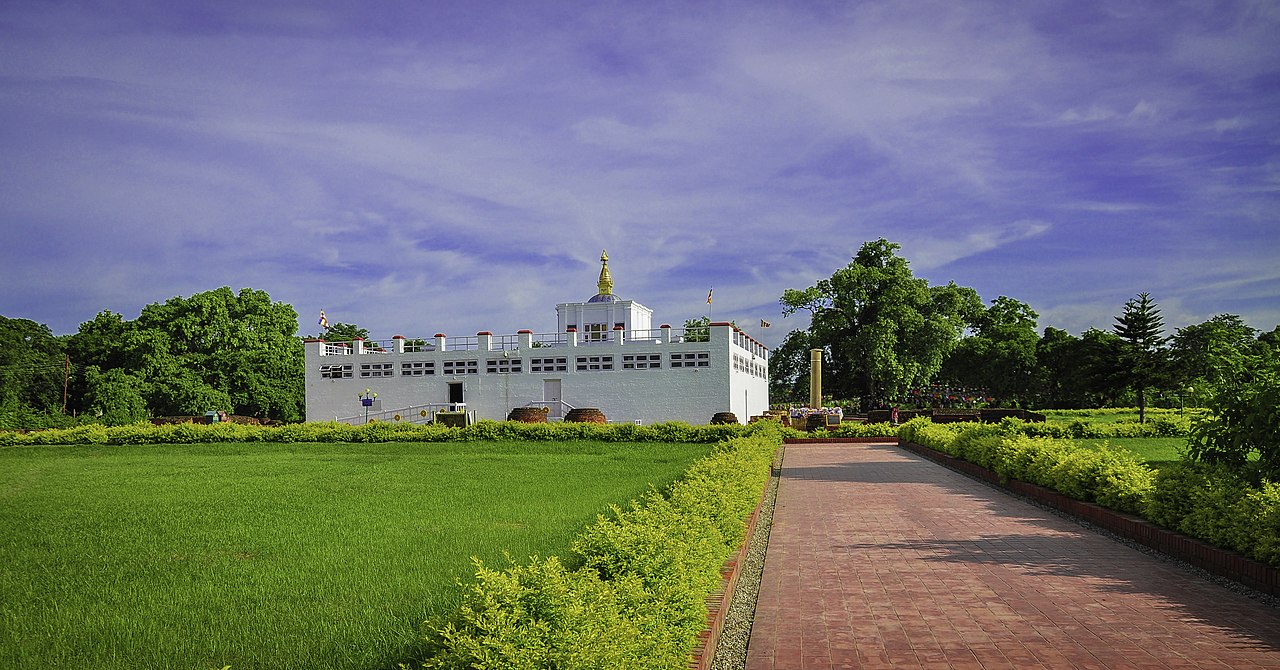


Kathmandu to Muktinath
Reaching the sacred shrine of Muktinath at 3,710m takes you from Kathmandu through Pokhara and up the deepest gorge on earth, here is every way to do it.
A glimpse of Kathmandu to Muktinath


Overview
Muktinath is one of the most revered pilgrimage sites in Nepal, sacred to Hindus as a Mukti Kshetra (place of liberation) and to Buddhists as Chumig Gyatsa. It sits high in the Mustang district at about 3,710 metres, on the far side of the Himalaya in the rain-shadow of the Annapurna and Dhaulagiri massifs. Getting there from Kathmandu is a journey in itself: there is no direct route, so almost everyone travels first to Pokhara and then continues up the Kali Gandaki valley, the deepest gorge in the world, to Jomsom and finally Muktinath.
There are three broad ways to make the trip: fly (Kathmandu to Pokhara, then the short Pokhara–Jomsom mountain flight, then a jeep); drive overland by bus and shared or private jeep; or take a helicopter day tour or charter. Most pilgrims allow a 2 to 4 day round trip from Kathmandu. Because Muktinath is at altitude, how fast you ascend matters, this guide covers each option with realistic Nepali-rupee costs, durations and the practical and altitude considerations for each.
The Fast Way: Fly via Jomsom
The quickest route is to fly. First take a Kathmandu–Pokhara flight (about 25 minutes, roughly NPR 5,500–8,500 one way for Nepali fares; foreign tourists are charged a higher fare, around NPR 16,000). From Pokhara, the legendary Pokhara–Jomsom mountain flight takes just 15–20 minutes and lands deep in the Kali Gandaki valley at about 2,720m. These small turboprop flights run early in the morning only, before the valley winds pick up, and cost roughly NPR 8,000–12,000 one way.
From Jomsom, a shared or private jeep climbs to Muktinath (via Kagbeni and Ranipauwa) in around 2–3 hours; a seat in a shared jeep is about NPR 1,500–3,000. Flying is the fastest and most scenic option, but the Jomsom flights are highly weather-dependent and frequently cancelled, always build a spare day into your plan and never schedule an onward international flight tightly after a Jomsom leg.
By Road: Jeep up the Kali Gandaki
The overland route is cheaper, more reliable than the flights, and lets you acclimatise gradually. From Kathmandu, travel to Pokhara first, by tourist bus (NPR 800–1,500, ~6–8 hours) or flight. From Pokhara the road continues to Beni, then up the Kali Gandaki through Tatopani, Ghasa, Marpha and Jomsom, and on to Muktinath.
The valley road is rough, dramatic and prone to dust and the famous afternoon winds. Options:
- Shared jeep, Pokhara → Jomsom: a seat costs roughly NPR 2,500–5,000; the drive is long (most of a day, often with a changeover at Beni or Tatopani).
- Jomsom → Muktinath jeep: about NPR 1,500–3,000 per seat, 2–3 hours.
- Private jeep, Pokhara → Muktinath return: roughly NPR 30,000–50,000 for the vehicle, split between your group, the most comfortable overland choice.
Overland, plan on at least 2–3 days each way from Pokhara if you want a comfortable pace; doing it faster is possible but tiring and gives less time to adjust to the altitude.
Helicopter & Private Tour Options
For those short on time or unable to manage the long jeep ride, helicopter day tours run from Pokhara (and sometimes directly from Kathmandu) to Muktinath, landing near the temple at Ranipauwa. These are a premium option, typically quoted in lakhs of rupees per charter (shared per seat when operators pool pilgrims), and like fixed-wing flights they depend entirely on clear morning weather.
Many travellers instead book an all-inclusive Muktinath package through a Pokhara or Kathmandu agency, which bundles transport (flight or jeep), accommodation in Jomsom or Ranipauwa, permits and a guide. Packages remove the logistics headache and are popular with family pilgrim groups; compare what is included before paying.
Cost, Time & Permits
A rough comparison of the three main approaches (per person, Kathmandu to Muktinath one way; excludes hotels):
| Option | Approx. cost (NPR) | Time (one way) | Notes |
|---|---|---|---|
| Fly via Jomsom | 15,000–22,000+ | Half a day (if weather clear) | Fastest & most scenic; flights cancel often |
| Jeep overland | 4,000–8,000 (shared) | 2–3 days from Pokhara | Cheapest, most reliable, better acclimatisation |
| Helicopter | Premium (lakhs/charter) | A few hours | Fastest; weather-dependent |
Permits: Muktinath lies inside the Annapurna Conservation Area, so you need an ACAP permit (NPR 3,000), available in Kathmandu or Pokhara. Lower Mustang (which includes Muktinath, Jomsom and Kagbeni) does not require the expensive Upper Mustang restricted-area permit, that only applies beyond Kagbeni toward Lo Manthang. Carry your passport and a couple of photos for the paperwork, and bring cash, as ATMs are scarce beyond Pokhara.
When to Travel
The best months for the Kathmandu–Muktinath journey are March to June and September to November, when skies are generally clear and the roads are open. Because Mustang sits in the Himalayan rain-shadow, the monsoon (June–August) is far drier here than the rest of Nepal, and the road usually stays drivable, though the Pokhara–Jomsom flights are often grounded by cloud, so overland travel is the safer bet in summer.
Winter (December–February) brings cold and snow; the Muktinath road can be temporarily blocked after snowfall, and many lodges in Ranipauwa close or run on minimal service. Pilgrim numbers peak around major Hindu festivals and the late-autumn window, so book transport and lodges ahead at those times.
Travel & Altitude Tips
- Respect the altitude. Muktinath is at 3,710m. If you fly straight up from low elevation, you can feel the effects, headache, breathlessness, poor sleep. Ascend gradually where possible, stay hydrated, avoid alcohol on arrival day, and descend if symptoms worsen.
- Fly in the morning. All Jomsom flights and most heli operations run early, before the valley winds rise. Afternoon cancellations are routine.
- Keep a buffer day. Weather delays are normal; never connect a tight onward international flight to a Jomsom departure.
- Carry cash. Reliable ATMs end at Pokhara; bring enough Nepali rupees for jeeps, lodges, permits and offerings.
- Dress in warm layers. Even in season, mornings at Muktinath are cold and windy; you will also walk barefoot at the temple's 108 water spouts.
- Read the destination guide. See our full Muktinath travel guide for the temple, rituals and what to see, and the Mustang guide for the wider region.
Frequently Asked Questions
How do you get from Kathmandu to Muktinath?
There is no direct route. You travel first to Pokhara (by 25-minute flight or 6–8 hour bus), then either take the short Pokhara–Jomsom mountain flight and a jeep to Muktinath, or drive overland by jeep up the Kali Gandaki valley. Helicopter tours are also available.
How far is Muktinath from Kathmandu?
Muktinath is roughly 380–400 km from Kathmandu by road via Pokhara and the Kali Gandaki valley. Because the mountain road is slow, most people allow 2 to 4 days for the round trip, or fly part of the way to save time.
What is the fastest way to reach Muktinath?
Flying is fastest: Kathmandu to Pokhara, then the 15–20 minute Pokhara–Jomsom flight, then a 2–3 hour jeep to Muktinath, possible in half a day if the weather is clear. Helicopters are faster still but much more expensive.
How much does it cost to go from Kathmandu to Muktinath?
Overland by shared jeep is cheapest, around NPR 4,000–8,000 per person each way from Pokhara plus the Kathmandu–Pokhara fare. Flying via Jomsom costs roughly NPR 15,000–22,000 per person one way. Helicopter charters are a premium option priced in lakhs of rupees.
Can you drive to Muktinath?
Yes. A rough but dramatic road runs up the Kali Gandaki from Pokhara through Beni, Tatopani, Ghasa, Marpha and Jomsom to Muktinath. You can take shared jeeps or hire a private jeep; the drive from Pokhara takes most of a day or more.
Do you need a permit for Muktinath?
Yes, you need an Annapurna Conservation Area Permit (ACAP, NPR 3,000), available in Kathmandu or Pokhara. Muktinath is in Lower Mustang, which does not require the expensive Upper Mustang restricted-area permit.
How high is Muktinath and is altitude a problem?
Muktinath sits at about 3,710 metres. Altitude can cause headaches, breathlessness and poor sleep, especially if you ascend quickly by flight. Acclimatise gradually, stay hydrated, avoid alcohol on arrival, and descend if symptoms get worse.
How many days do you need for a Muktinath trip from Kathmandu?
Allow at least 2–3 days if flying and 4–5 days if travelling overland, including a buffer day for weather delays on the Jomsom flights.
What is the best time to visit Muktinath?
March to June and September to November are best for clear skies and open roads. The monsoon is dry in this rain-shadow region and the road usually stays open, though flights are often cancelled. Winter brings cold and possible snow blockages.
Are the Pokhara to Jomsom flights reliable?
They are scenic but highly weather-dependent and frequently cancelled, especially in the afternoon and during cloudy spells. Always fly in the morning and keep a spare day in your itinerary.
Can you take a helicopter to Muktinath?
Yes, helicopter day tours and charters operate from Pokhara and sometimes Kathmandu, landing near the temple at Ranipauwa. They are fast but expensive and still depend on clear morning weather.
Is there a bus all the way to Muktinath?
Local buses and jeeps run up the Kali Gandaki as far as Jomsom and on to Muktinath, but most foreign and pilgrim travellers use jeeps for the upper sections because the road is rough. Direct long-distance buses from Kathmandu only go as far as Pokhara or Beni.
Can elderly pilgrims make the trip?
Many elderly pilgrims visit Muktinath every year, usually by flying via Jomsom or by helicopter to minimise the rough road and the time spent at altitude. A private jeep package with a guide is the most comfortable overland option; consult a doctor about the altitude beforehand.
Reviews & Ratings
No reviews yet. Be the first to share your experience of Kathmandu to Muktinath!
Official sources
Fees and rules on this page come from the bodies that set them. They do change, sometimes mid-season, so check the primary source before you pay anything.
- National Trust for Nature Conservation Annapurna Conservation Area (ACAP) permitsntnc.org.np
- Dept. of National Parks & Wildlife Conservation National park & conservation area entry feesdnpwc.gov.np
By the BriefNepal Travel Desk
Researched and maintained by our Nepal-based editorial team and reviewed for accuracy. Last updated September 3, 2026. Prices, permits and conditions change, always verify before you travel. Spotted something out of date? Let us know.
Nepal Currency Converter
Live exchange rates for the Nepalese Rupee (NPR) against every world currency, handy for budgeting the prices in our guides.
Live mid-market rates. For information only, banks and exchanges apply their own margins.
Planning a trip to Nepal?
Join the BriefNepal Travel list for seasonal tips, new guides and our free Nepal trip-planning checklist. No spam, unsubscribe anytime.