


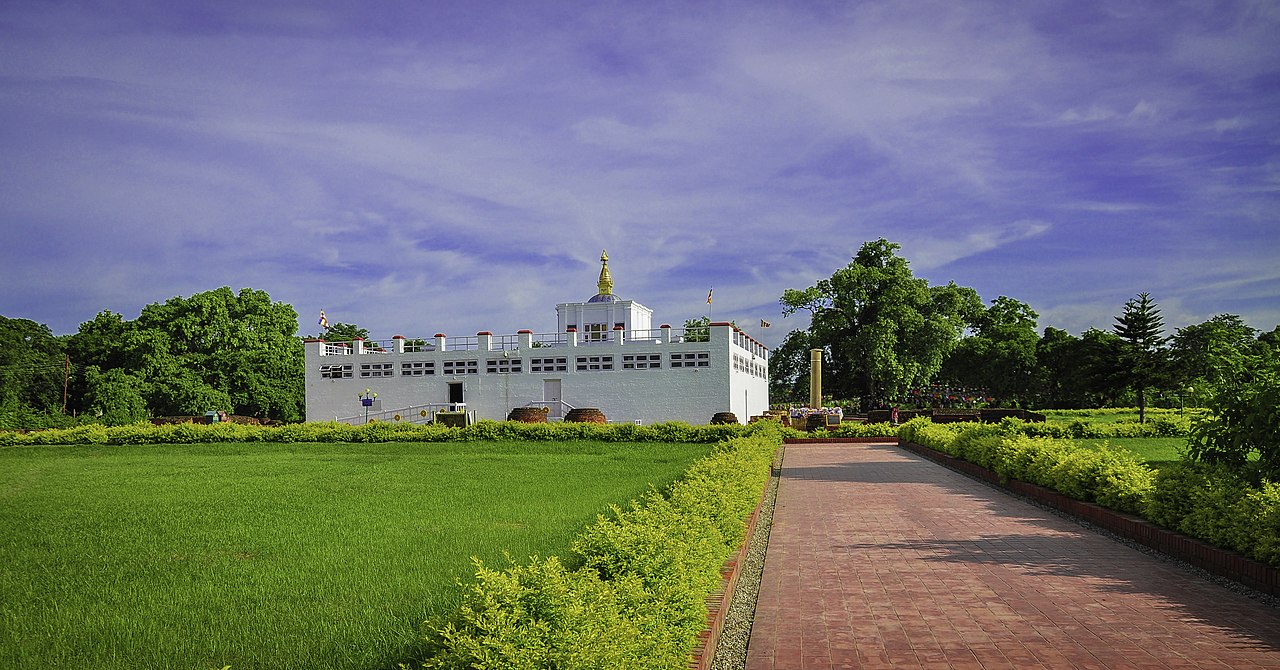


History & Significance of Muktinath: Vishnu, Shaligram & Chumig Gyatsa
Muktinath is one of the rare holy places sacred to both faiths at once: for Hindus it is Mukti Kshetra, one of the 108 Divya Desams of Vishnu; for Buddhists it is Chumig Gyatsa, "the hundred waters." Here is the ancient, shared story behind the shrine.
What the Name Means
The name Muktinath joins two Sanskrit words: mukti, meaning liberation or salvation, and nath, meaning lord. Muktinath is literally "the lord of salvation." The site sits at about 3,710 metres in Mustang, in the trans-Himalayan rain shadow of the Annapurna and Dhaulagiri massifs, a stark landscape of ochre cliffs and prayer flags that feels closer to Tibet than to lowland Nepal.
For Hindus: Mukti Kshetra & the Divya Desams
In Hindu scripture the site is Mukti Kshetra (or Mukti Dham), the "place of salvation," and is counted among the 108 Divya Desams, the holy abodes of Lord Vishnu celebrated by the Tamil Alvar saints and revered by Vaishnavites across the Hindu world. It is the only Divya Desam set high in the Himalaya. Hindus believe that a pilgrimage to Muktinath, together with the holy bath under its 108 spouts, frees the devotee from the cycle of rebirth and grants moksha, the final liberation of the soul, the ritual is covered in the darshan & puja guide.
The Shaligram & the Kali Gandaki
The connection to Vishnu is bound up with the Shaligram. The Kali Gandaki river below the temple is the world's sole source of these black ammonite fossils, which Hindus venerate as a swayambhu (self-manifested) form of Vishnu. Pilgrims have gathered them here for millennia, and many perform shraddha rites for departed ancestors at Muktinath and the nearby village of Kagbeni.
Geology tells the deeper story: the Shaligram are the remains of sea creatures from the Tethys Ocean that once lay where the Himalaya now stand, lifted skyward when the Indian and Asian plates collided. Science and scripture meet at Muktinath.
For Buddhists: Chumig Gyatsa & the Eternal Flame
For Tibetan Buddhists the same site is Chumig Gyatsa, "the hundred waters," and one of the 24 great Tantric places of the Himalaya. It is held to be a dwelling of Avalokiteshvara (Chenrezig), the bodhisattva of compassion, and tradition says Guru Rinpoche (Padmasambhava), who carried Buddhism to Tibet in the 8th century, meditated here on his journey north.
The natural flame that burns from the rock at the Jwala Mai temple, beside flowing water, is treasured as a sacred miracle in which earth, water and fire coexist. Buddhist nuns tend the shrine, and Hindu and Buddhist worshippers move through the compound side by side, a rare living example of two faiths sharing one holy ground.
Frequently Asked Questions
Why is Muktinath sacred to both Hindus and Buddhists?
For Hindus, Muktinath is Mukti Kshetra, the "place of salvation," and one of the 108 Divya Desams of Lord Vishnu, where pilgrimage and the holy bath are believed to grant moksha. For Tibetan Buddhists it is Chumig Gyatsa, "the hundred waters," one of the 24 great Tantric places and a dwelling of Avalokiteshvara, where Guru Rinpoche is said to have meditated. Both faiths worship at the same shrine and its eternal flame.
What does the name Muktinath mean?
It joins two Sanskrit words: mukti, meaning liberation or salvation, and nath, meaning lord, so Muktinath is literally "the lord of salvation." Hindus believe a pilgrimage here, with the holy bath under the 108 spouts, helps free the soul towards moksha.
What is Shaligram and why is it important at Muktinath?
Shaligram are black ammonite fossils found only in the Kali Gandaki river below Muktinath, the petrified remains of sea creatures from when the Himalaya were ocean floor. Hindus venerate them as a self-manifested (swayambhu) form of Lord Vishnu and keep them on home and temple altars, which is one reason Muktinath grew into such a powerful Vishnu shrine.
What is Chumig Gyatsa?
Chumig Gyatsa, meaning "the hundred waters," is the Tibetan Buddhist name for Muktinath. It is revered as one of the 24 great Tantric places of the Himalaya and a dwelling of Avalokiteshvara, the bodhisattva of compassion, and tradition holds that Guru Rinpoche meditated here on his way to Tibet.
How old is the Muktinath pilgrimage?
Its sanctity is ancient and shared. Muktinath is named in Hindu scripture as Mukti Kshetra and counted among the 108 Divya Desams revered by the Tamil Alvar saints, and pilgrims have walked to it for well over a thousand years, following the Kali Gandaki gorge, the only river in the world to yield the sacred Shaligram fossils.
Official sources
Fees and rules on this page come from the bodies that set them. They do change, sometimes mid-season, so check the primary source before you pay anything.
- Nepal Tourism Board Official Nepal tourism informationntb.gov.np

By the BriefNepal Travel Desk
Researched and maintained by our Nepal-based editorial team and reviewed for accuracy. Last updated September 3, 2026. Prices, permits and conditions change, always verify before you travel. Spotted something out of date? Let us know.
Nepal Trip Planning Tools
Estimate your costs and trekking permits in seconds, built on real, current Nepali prices.
💰 Trip Cost Calculator
🎫 Trek Permit Calculator
Estimates only, fees and prices change with season and policy. Confirm with a registered agency and the Nepal Tourism Board before you travel.
Nepal Currency Converter
Live exchange rates for the Nepalese Rupee (NPR) against every world currency, handy for budgeting the prices in our guides.
Live mid-market rates. For information only, banks and exchanges apply their own margins.
Planning a trip to Nepal?
Join the BriefNepal Travel list for seasonal tips, new guides and our free Nepal trip-planning checklist. No spam, unsubscribe anytime.
